Are You Going to Shower in Spanish
You might not realize that asking “Are you going to shower?” in Spanish requires more than just a direct translation—it involves reflexive verbs and the right pronouns. Knowing how to use “ducharse” correctly can make your question sound natural and clear.
But what about the difference between “ducharse” and “bañarse”? Understanding this subtlety will help you communicate more effectively in everyday conversations.
Mastering these verbs will ensure you sound more fluent and confident when talking about daily routines in Spanish.
Key Takeaways
- Use “¿Vas a ducharte?” to ask “Are you going to shower?” in a casual, natural way.
- Add time references for routine context, e.g., “¿Vas a ducharte ahora?” means “Are you going to shower now?”
- Reflexive pronoun “te” is essential with ducharse: “¿Te vas a bañar pronto?” is a casual alternative.
- Formal alternative: “¿Tiene previsto ducharse?” using usted form for polite situations.
- Respond simply with “Sí, voy a ducharme,” “No, no voy a ducharme,” or timing replies like “Ahora mismo.”
How to Say “Are You Going to Shower?” in Spanish
Wondering how to ask “Are you going to shower?” in Spanish? You’d say, “¿Vas a ducharte?” It’s a straightforward way to check someone’s plans about their daily routines.
To get comfortable with this phrase, try using practice dialogues where you ask and answer questions about everyday activities. For example, you might say, “¿Vas a ducharte ahora?” meaning, “Are you going to shower now?”
Using such phrases will help you sound natural and confident. Focusing on daily routines in your practice dialogues makes learning practical and relevant.
How to Use the Verb “Ducharse
Now that you know how to ask “Are you going to shower?” in Spanish, it’s important to understand how the verb “ducharse” works. “Ducharse” is a reflexive verb, meaning the action reflects back on the subject, so you’ll need to use the correct reflexive pronouns when conjugating it. For example, “tú te duchas” means “you shower.”
Using “ducharse” properly helps you talk about daily routines clearly, especially when discussing shower etiquette, like when and how often you shower. Remember, the pronoun changes based on who’s doing the action: “me,” “te,” “se,” etc. Mastering “ducharse” lets you describe your habits or ask others about theirs naturally in Spanish, making your conversations about daily routines smooth and respectful.
What’s the Difference Between “Ducharse” and “Bañarse”?
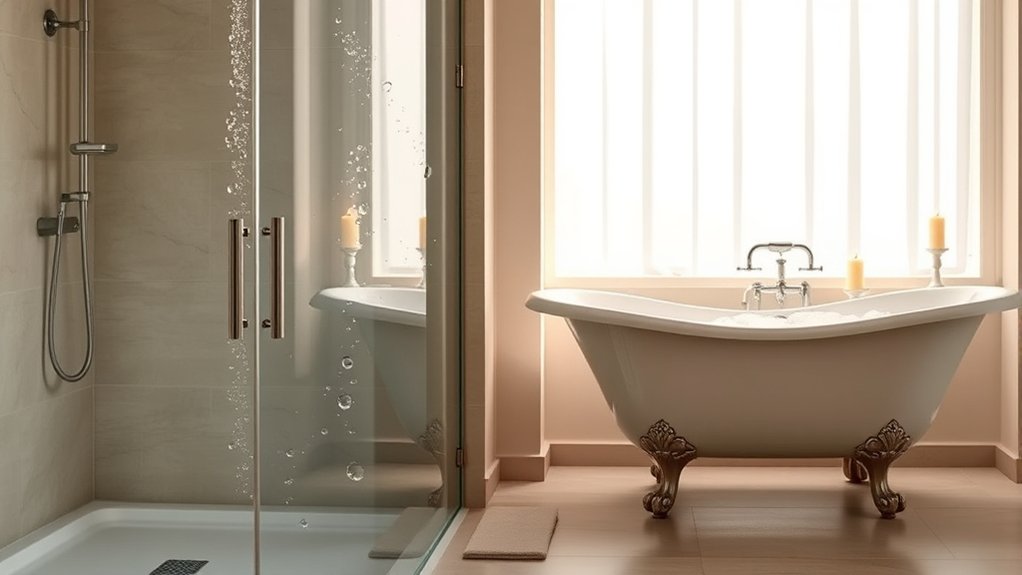
You might wonder when to use “ducharse” versus “bañarse” in Spanish. While both relate to cleaning yourself, “ducharse” usually means taking a quick shower, and “bañarse” often refers to soaking in a bath or even swimming.
Understanding these differences helps you pick the right word depending on the situation and cultural habits.
Verb Usage Differences
Understanding the difference between “ducharse” and “bañarse” can help you choose the right verb when talking about showering or bathing in Spanish. Both verbs involve cleaning yourself, but their verb usage varies based on the type of bath.
“Ducharse” specifically means to take a shower, focusing on quick, efficient washing. “Bañarse” refers to bathing in a tub, often longer and more relaxing.
Here’s how to remember the verb usage differences:
- Use ducharse when you want to express a fast, refreshing wash.
- Use bañarse for a leisurely bath, often involving soaking.
- Both verbs are reflexive, so don’t forget the pronouns.
- Verb usage depends on the action’s nature, not just the location.
This distinction helps you speak Spanish more naturally without mixing up terms.
Cultural Context Variations
How do cultural habits shape the way Spanish speakers choose between “ducharse” and “bañarse”? It often depends on cultural etiquette and regional vocabulary.
In Spain, “ducharse” is more common for a quick shower, reflecting a fast-paced lifestyle. Meanwhile, many Latin American countries use “bañarse” more frequently, sometimes meaning both shower and bath, influenced by local traditions.
Knowing these nuances helps you avoid confusion and shows respect for cultural etiquette. When you travel or chat with native speakers, pay attention to how they use these verbs.
You’ll notice that in some regions, “bañarse” implies a leisurely bath, linked to relaxation rituals. Understanding these cultural context variations enriches your language skills and helps you communicate more naturally in Spanish.
Casual and Formal Ways to Ask About Showering
When you want to ask someone if they’re going to shower, your choice of words can change depending on how casual or formal the situation is. You’ll find different phrases work better with friends versus in polite or professional settings.
Let’s look at some common ways to ask about showering that fit both casual and formal conversations.
Casual Shower Questions
Wondering how to ask someone if they’re going to shower in Spanish? Casual shower questions are all about using everyday bathroom vocabulary and respecting casual etiquette. You don’t want to sound too formal or awkward when chatting with friends or family.
Here are some simple ways you can ask:
- “¿Vas a ducharte ahora?” (Are you going to shower now?)
- “¿Te vas a bañar pronto?” (Are you going to bathe soon?)
- “¿Quieres usar el baño primero?” (Do you want to use the bathroom first?)
- “¿Necesitas la ducha?” (Do you need the shower?)
These phrases keep the conversation light and natural, helping you connect while navigating casual etiquette around bathroom topics.
Formal Shower Inquiries
In what ways can you politely inquire about someone’s shower plans in Spanish when the situation calls for formality? You’ll want to use practical phrasing that respects the context and the person you’re addressing.
Instead of the casual “¿Vas a ducharte?” (Are you going to shower?), opt for a more formal approach like “¿Tiene previsto ducharse?” or “¿Piensa usted ducharse?” These use the formal “usted” and incorporate duche reflexives properly, showing politeness and clarity.
This phrasing maintains respect while clearly asking about shower intentions. Remember, mastering these formal constructions helps you navigate conversations smoothly in professional or unfamiliar settings, ensuring your language fits both the social context and your communication goals.
How to Form Questions Like “Are You Going to Shower?
How do you ask someone if they’re going to shower in Spanish? To form questions like “Are you going to shower?”, you focus on the verb “ir” (to go) plus an infinitive verb like “ducharse” (to shower).
Here’s how you do it:
Start with “¿Vas a…” meaning “Are you going to…”
Add the reflexive verb “ducharte” to say “shower yourself”
Use a question mark to indicate it’s a question: “¿Vas a ducharte?”
Keep the tone casual or formal by adjusting pronouns or verb forms
How to Answer “Are You Going to Shower?” in Spanish
When someone asks if you’re going to shower in Spanish, you can respond simply and naturally. Your answer will often reflect your daily routines or respect shower etiquette depending on the situation. Here’s a quick guide to help you reply confidently:
| Spanish Response | English Meaning |
|---|---|
| Sí, voy a ducharme. | Yes, I’m going to shower. |
| No, no voy a ducharme. | No, I’m not going to shower. |
| Todavía no. | Not yet. |
| Ahora mismo. | Right now. |
| Más tarde. | Later. |
Use these phrases to keep conversations smooth and show you understand shower etiquette in Spanish-speaking contexts. You’ll sound natural and stay connected to everyday routines effortlessly.
Common Spanish Expressions About Showering and Hygiene
Why does knowing common Spanish expressions about showering and hygiene matter? Understanding these phrases helps you navigate daily conversations smoothly and shows respect for local shower etiquette. It also expands your hygiene vocabulary, making interactions more natural.
Knowing common Spanish shower and hygiene expressions smooths conversations and shows respect for local customs.
Here are some expressions to get you started:
- “Darse una ducha” to take a shower
- “Estar limpio/a” to be clean
- “Lavarse las manos” to wash your hands
- “Tener buen olor” to smell good
Practice Dialogues for Asking and Answering About Showers
Ready to practice asking and answering questions about showers in Spanish? Focusing on daily routines helps you grasp language nuance better.
Here’s a simple dialogue table with common phrases you can use:
| Question | Response | Notes |
|---|---|---|
| ¿Vas a ducharte ahora? | Sí, voy a ducharme ahora. | Immediate future tense |
| ¿A qué hora te duchas? | Me ducho a las siete. | Talking about routine |
| ¿Prefieres ducharte por la mañana? | Sí, por la mañana. | Expressing preference |
| ¿Usas jabón o gel? | Uso gel para la piel sensible. | Adding detail, showing nuance |
Practice these dialogues to improve your fluency while discussing showers and daily routines in Spanish!
Tips to Sound Natural When Talking About Showering and Daily Routines
Mastering common questions and answers about showering sets a strong foundation, but sounding natural takes a bit more. To really connect when talking about showering and daily routines in Spanish, you need to blend vocabulary with everyday expressions.
Master everyday Spanish by mixing vocabulary with casual expressions about showering and daily routines.
Here are some tips to help you flow like a native:
Use casual phrases like “me doy una ducha rápida” instead of formal versions. Mention how to stay hydrated after your shower to add practical details.
Incorporate time references, such as “por la mañana” or “antes de acostarme,” to frame your routine. Share personal habits or preferences to make conversations lively and relatable.
Frequently Asked Questions
What Time of Day Do Spanish Speakers Usually Shower?
You’d probably shower in the morning, just like knights prepping for battle before dawn. Spanish speakers often include showers in their morning routines, but many also enjoy evening rituals to unwind and refresh after a busy day.
Are Showers More Common Than Baths in Spain?
You’ll find showers more common than baths in Spain, especially due to quick, efficient hygiene. However, regional bathing customs vary, so knowing shower etiquette helps you respect local habits and blend in comfortably wherever you go.
What Toiletries Are Typically Used in Spanish Showers?
You’ll use shampoo, gel de ducha (shower gel), and jabón (soap) in Spanish showers. Knowing showering vocabulary helps, and toiletry etiquette means sharing space politely and not leaving products messy.
Keep it simple and respectful!
Is Showering Frequency Different in Spanish-Speaking Countries?
You’ll notice showering frequency varies across Spanish-speaking countries due to travel customs and bathroom etiquette. Some cultures shower daily, while others prefer less often. Knowing this helps you respect local habits and blend in smoothly.
Are There Cultural Taboos Related to Showering Conversations?
You’ll find taboos around nudity strong in many Spanish-speaking cultures, so bathroom privacy norms matter a lot.
People usually avoid shower conversations to respect personal boundaries and maintain cultural modesty.