Are You Going to Shower
Are you going to shower but feeling unsure? Your shower isn’t just about cleanliness—it impacts your mood, skin health, and even your daily routine.
Knowing when and how to shower can boost your well-being while conserving resources. Before you decide, consider how a mindful approach might transform this simple act into a moment of calm and care.
What if changing your shower routine could make a bigger difference than you expect?
Key Takeaways
- Showering regularly supports health, mood, and skin by promoting circulation, muscle relaxation, and natural mood-boosting endorphins.
- Experts recommend showering 2-3 times weekly, adjusting frequency based on activity, climate, and personal needs to avoid skin dryness.
- Mindful showering enhances mood regulation and self-care, making the routine more relaxing and motivating rather than a rushed chore.
- Using lukewarm water and mild, unscented products helps preserve natural oils and reduces skin irritation during showers.
- Eco-friendly shower habits include reducing shower time, using water-efficient fixtures, and collecting greywater for non-potable reuse.
How Showering Affects Your Health and Mood
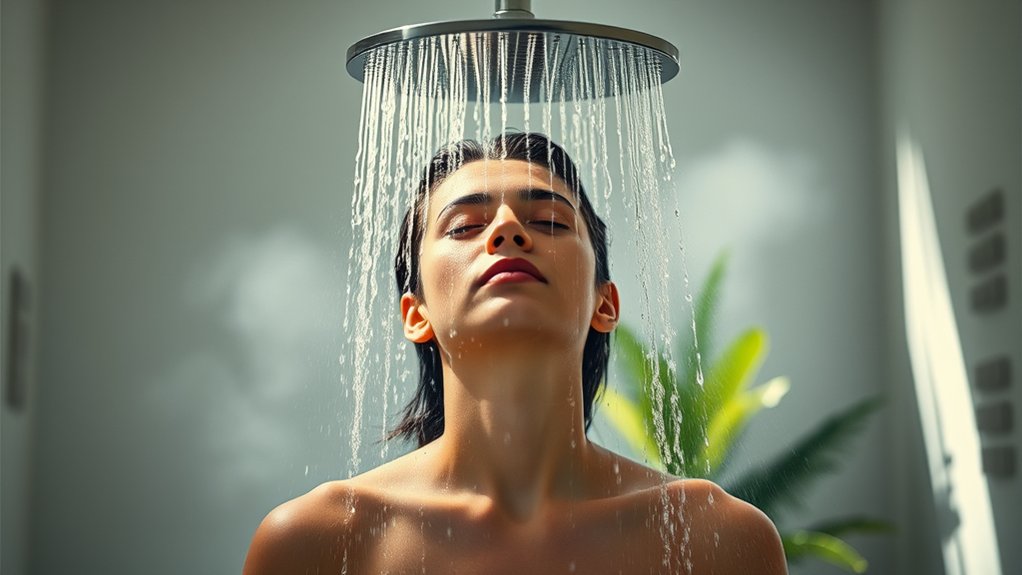
How exactly does showering impact your health and mood? When you practice mindful hygiene during your shower, you’re not just cleaning your body—you’re actively supporting mood regulation. The warm water soothes muscles and reduces tension, helping you feel calmer and more relaxed.
This simple routine triggers the release of endorphins, your body’s natural mood boosters. Beyond physical cleanliness, taking time for mindful hygiene encourages a moment of self-care, grounding you in the present and reducing stress.
Research shows that regular showers can improve circulation and skin health, while also enhancing mental clarity. By turning showering into a mindful ritual, you empower yourself to manage daily stress better and boost your overall well-being, making it a powerful tool for both body and mind.
How Often Should You Really Shower?
When should you step into the shower to maintain both hygiene and skin health? Experts suggest showering every other day or 2-3 times a week is enough for most people. Over cleanliness can strip your skin of natural oils, causing dryness and irritation.
However, your routine depends on activity level, climate, and personal preference. If you exercise daily or sweat heavily, showering more often makes sense. Also, consider your fragrance preferences. Opting for mild, unscented products can reduce skin sensitivity.
How to Know When Your Shower Routine Needs a Change
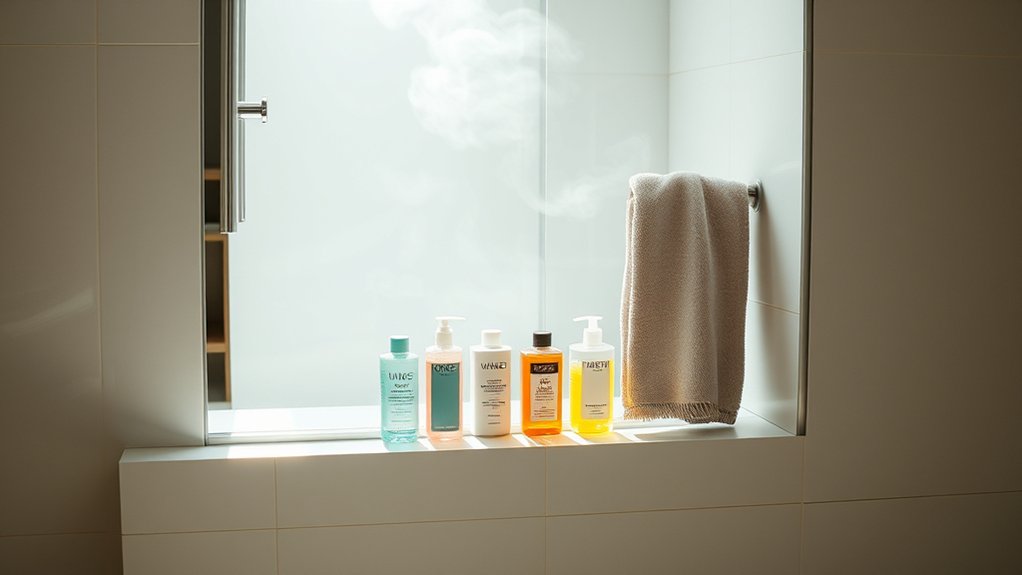
Wondering if your shower routine still suits your needs? Pay attention to how you feel during your morning routine. If you notice your usual scent selection no longer energizes or relaxes you, it’s a clear sign your routine needs updating.
Your skin might also react differently, feeling dry or irritated despite no changes in products, indicating it’s time to reassess. Additionally, if showering feels rushed or more of a chore than a revitalizing ritual, consider adjusting your timing or approach.
Evidence shows that a personalized routine boosts mood and well-being, so don’t hesitate to experiment with new scents or shower times. Listening to your body and preferences helps ensure your routine supports your lifestyle and keeps you feeling your best every day.
How to Care for Your Skin and Hair in the Shower
Why settle for a routine that simply cleans when you can nourish both your skin and hair during every shower? Start with gentle skin exfoliation to remove dead cells and boost circulation. Choose a mild scrub or a washcloth, but don’t overdo it. Twice a week is enough to keep your skin smooth and radiant.
For your hair, focus on scalp hydration by massaging a moisturizing shampoo into your scalp. This promotes healthy follicles and prevents dryness. Follow with a conditioner applied mainly to the hair ends to avoid weighing down your roots.
Use lukewarm water to protect natural oils and maintain skin and scalp balance. By adopting these evidence-based habits, you’ll transform your shower into a essential self-care ritual that supports healthy skin and hair every day.
How to Stay Motivated When You Don’t Feel Like Showering
When you don’t feel like showering, it’s often your mind creating barriers that make the task seem harder than it is. You can overcome this by breaking the routine into small, manageable steps and using simple motivation techniques like rewarding yourself afterward.
Science shows that even brief positive reinforcement can boost your willingness to take action.
Overcoming Mental Barriers
How can you push through the mental blocks that make showering feel like a chore? Start by integrating mindfulness rituals into your routine. Focus on the sensation of water and the rhythm of your breath. This shifts your attention from resistance to presence, reducing avoidance.
Scientific studies show mindfulness can enhance motivation by increasing awareness and reducing negative thoughts. Additionally, leverage social accountability. Tell a friend or family member about your goal to shower regularly; their check-ins create external motivation and a sense of responsibility.
When someone else expects you to follow through, you’re more likely to act. Combining these approaches helps reframe showering from a dreaded task to a manageable, even rejuvenating, habit. Overcoming mental barriers becomes easier with intentional, evidence-based strategies.
Simple Motivation Techniques
Building on mental strategies to overcome resistance, simple motivation techniques can help you maintain momentum even on days when showering feels especially difficult. Shower psychology suggests that breaking the task into smaller steps, like just turning on the water, reduces overwhelm and increases your chances of following through.
You can also use positive reinforcement by rewarding yourself after a shower, which strengthens routine consistency. Setting a specific time each day to shower trains your brain to expect it, making the behavior automatic over time.
Visual reminders, such as sticky notes or alarms, cue your mind to act, leveraging habit formation principles. By applying these evidence-based methods, you’ll tap into your motivation more effectively, making showering less of a chore and more of a manageable, habitual part of your day.
Tips to Make Your Shower More Relaxing and Refreshing
To transform your daily shower into a calming ritual that rejuvenates both body and mind, establish relaxation rituals in your shower routine that can significantly reduce stress and improve your mood. Begin by adjusting the water temperature to a comfortable warmth, which helps ease muscle tension.
Incorporate scent choices like lavender or eucalyptus through essential oils or shower steamers; studies show these aromas promote relaxation and mental clarity. Play soft music or nature sounds to enhance the tranquil atmosphere.
Focus on mindful breathing as water cascades over you, grounding yourself in the present moment. These simple, evidence-based adjustments turn your shower into a refreshing sanctuary, boosting your well-being and preparing you to face the day with renewed energy and calm.
Eco-Friendly Shower Tips to Save Water
You can cut water waste by reducing your shower time and installing water-efficient fixtures that use less water without sacrificing pressure.
Collecting and reusing shower water for tasks like watering plants also makes a big difference. These simple changes not only conserve water but also lower your utility bills effectively.
Reduce Shower Time
How long do you spend in the shower each day? Reducing shower time is one of the simplest ways to save water and energy. Research shows that cutting your shower by just a few minutes can substantially decrease water consumption without sacrificing cleanliness.
Understanding water use psychology helps here. Setting a timer or playing a short song can motivate you to keep showers brief.
Be mindful of side effect considerations, like feeling rushed or less refreshed; gradual adjustments help you adapt comfortably.
Use Water-Efficient Fixtures
Cutting down your shower time is a great start, but pairing that effort with water-efficient fixtures can amplify your savings. You can easily switch to eco friendly fixtures like low-flow showerheads and faucet aerators, which reduce water use without sacrificing pressure.
These water saving options help conserve thousands of gallons annually, lowering your utility bills and environmental footprint. Choosing fixtures labeled WaterSense certified ensures you get tested, efficient products. Here’s a quick comparison:
| Fixture Type | Average Flow Rate (gallons/min) |
|---|---|
| Standard Showerhead | 2.5 |
| Low-Flow Showerhead | 1.5 |
| WaterSense Showerhead | ≤ 2.0 |
Collect And Reuse Water
Ever wondered what happens to the water as you wait for your shower to warm up or when rinsing off soap? Instead of letting it go to waste, you can collect and reuse it, making a real impact on water conservation.
Incorporating long term rainwater storage and greywater reuse systems helps you reduce demand on fresh water resources effectively. Here’s how you can start:
- Capture initial cold water in buckets or tanks for watering plants.
- Install greywater systems to recycle shower water for toilets or gardens.
- Use stored long term rainwater for non-potable household needs.
- Regularly maintain your collection systems to ensure efficiency and safety.
Frequently Asked Questions
What Is the Best Shower Temperature for Different Seasons?
When it comes to the best temperature, you’ll want warm water in winter and cooler in summer. Seasonal adjustments keep you comfy, while shorter shower duration saves water usage. You’ll kill two birds with one stone!
Can Showering Frequency Impact Acne or Skin Conditions?
Yes, showering frequency can impact acne. You’ll want to avoid acne-causing products and long showers since they dry your skin.
Stick to short showers with gentle cleansers to keep your skin balanced and healthy.
Are There Specific Shower Products Recommended for Sensitive Skin?
You should choose fragrance-free products and gentle cleansers designed for sensitive skin. Several options reduce irritation, like oatmeal or aloe-based formulas. These safe options help protect your skin’s barrier and keep it calm and healthy.
How Does Showering Affect Sleep Quality?
You’ll improve sleep quality by showering about 90 minutes before bed, as studies show 60% of people experience better rest.
Proper shower timing helps cool your body, promoting deeper sleep stages and overall relaxation.
What Are Common Mistakes People Make While Showering?
Common mistakes in showering habits include using water that’s too hot, rushing through, and skipping moisturizing afterward.
You should slow down, adjust temperature wisely, and hydrate your skin to improve both hygiene and overall skin health effectively.