Are Teak Shower Benches Waterproof
Teak shower benches aren’t exactly waterproof, though they come impressively close thanks to their natural oils and dense grain.
You might think they can handle endless moisture without any trouble, but that’s not the full picture.
Understanding how teak responds to wet environments—and what you can do to protect it— makes all the difference when choosing the right bench for your bathroom space.
Key Takeaways
- Teak shower benches are highly water-resistant but not fully waterproof, requiring maintenance to prevent minor swelling or warping.
- Natural oils and silica in teak repel water and reduce moisture penetration, enhancing durability in humid bathroom environments.
- Proper sealing, especially on edges and undersides, improves water resistance but surface sealers may peel with constant moisture exposure.
- Regular ventilation and humidity control prevent moisture buildup, protecting the bench from weakening and mold growth.
- Consistent cleaning and periodic application of teak oil maintain water resistance and extend the bench’s lifespan in wet areas.
Why Are Teak Shower Benches Naturally Water-Resistant?
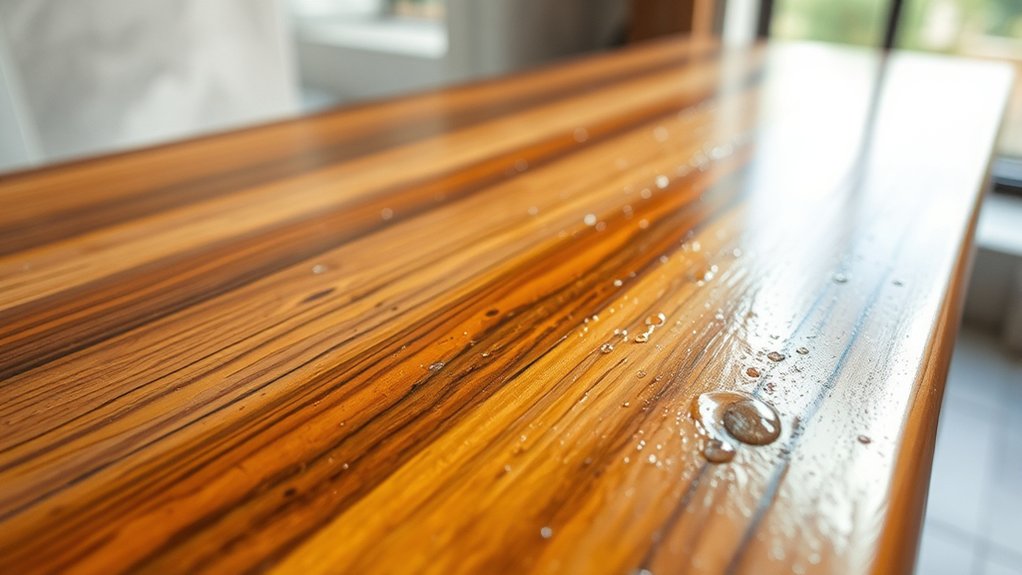
What makes teak shower benches naturally water-resistant lies in the wood’s unique cellular structure and chemical composition. You’ll find that teak contains natural oils and silica, which repel water and inhibit moisture absorption.
This intrinsic property enhances teak durability, allowing it to withstand humid bathroom environments without warping or cracking. When you choose a teak bench, you’re investing in a piece that not only lasts but also elevates bathroom aesthetics with its warm, rich tones and smooth finish.
The wood’s tight grain limits water infiltration, reducing the risk of mold or mildew. By understanding these qualities, you can confidently select teak benches that combine functional resilience with timeless beauty, perfectly suited to your bathroom’s demanding conditions.
Are Teak Shower Benches Fully Waterproof?
How well can teak shower benches handle direct and prolonged exposure to water? While teak is highly water-resistant, it isn’t fully waterproof. Over time, constant water exposure can lead to minor swelling or warping if the wood isn’t properly maintained.
When selecting a teak bench, consider the prospective dimensions carefully, as larger benches may retain more moisture and require more frequent upkeep. Budget considerations also play a role. Higher-quality teak with tighter grain offers better water resistance but comes at a premium.
To maximize durability, seal the bench with a water-repellent finish, especially on cut edges and undersides. This practical approach helps protect your investment without compromising the natural appeal of teak, ensuring your shower bench lasts longer under wet conditions.
How Do Teak Shower Benches Handle Constant Moisture?
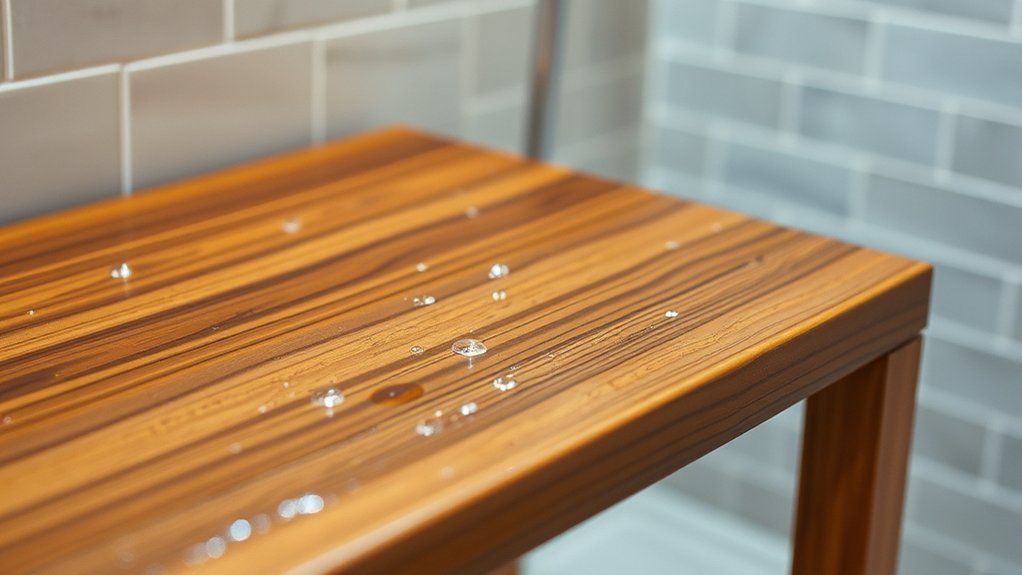
While teak’s natural oils provide excellent resistance against water, constant moisture still challenges the wood’s integrity over time. You need to ensure proper benchtop ventilation in your shower to allow air circulation, which helps prevent moisture buildup that can cause warping or mildew.
Without adequate ventilation, even teak can absorb excess humidity, weakening its structure. Humidity control is crucial; maintaining balanced moisture levels in your bathroom reduces the strain on the bench. You can improve humidity control by using exhaust fans and keeping the shower area dry between uses.
Regularly inspecting your teak bench for signs of moisture damage and addressing them promptly will also extend its lifespan. With careful management, teak benches can handle constant moisture much better than many other woods.
How Teak’s Natural Oils Protect Shower Benches From Water Damage
Why does teak stand out as a top choice for shower benches? It’s primarily due to its exceptional teak durability, which stems from an oil rich finish naturally embedded in the wood. These natural oils create a water-repellent barrier that prevents moisture from penetrating the wood fibers, reducing the risk of swelling, warping, or rotting.
When you use a teak shower bench, you benefit from this inherent protection, as the oils continuously fend off water damage without additional treatment. This oil rich finish also inhibits the growth of mold and mildew, common problems in wet environments.
Does Sealing Improve Teak Shower Benches’ Water Resistance?
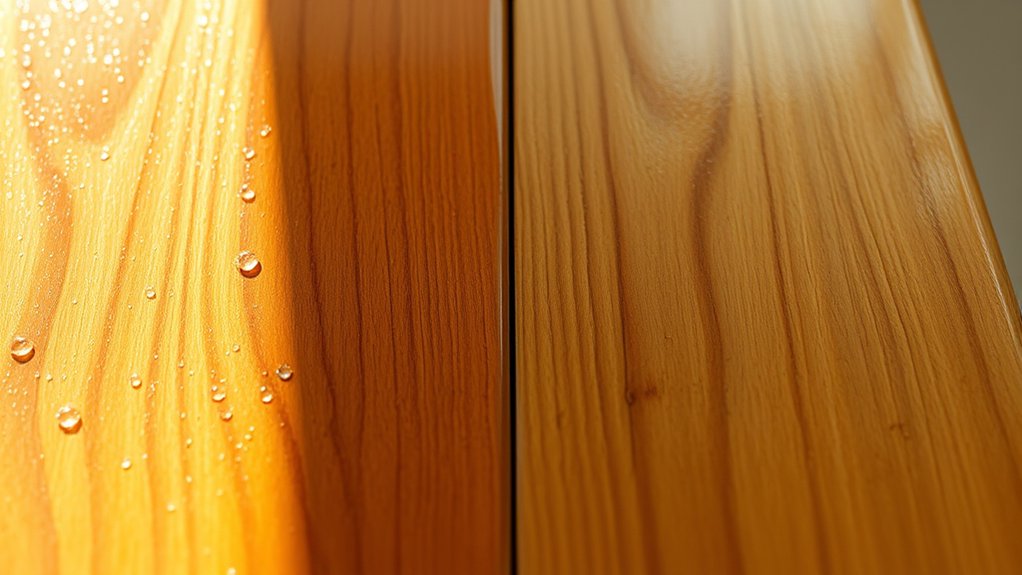
Can sealing your teak shower bench considerably boost its water resistance? Yes, sealing can enhance water resistance by creating an additional protective layer that limits moisture absorption. However, not all sealants offer the same level of protection; understanding sealing differences is crucial.
Penetrating sealers soak into the wood, preserving its natural look while enhancing water resistance. Surface sealers, like varnishes, form a hard film that blocks water but may peel over time due to constant moisture exposure.
When choosing a sealer, opt for one specifically designed for outdoor or marine use to withstand shower humidity. Applying sealant regularly maintains maximum water resistance, preventing water damage and prolonging your bench’s lifespan.
Signs Your Teak Shower Bench Needs Repair or Replacement
You’ll want to inspect your teak shower bench regularly for visible cracks or splits that compromise its integrity. Persistent water stains can signal that moisture is seeping in despite sealing.
Also, watch for loose or wobbly joints, which indicate structural weakening and may require immediate repair or replacement.
Visible Cracks Or Splits
How do you know when your teak shower bench requires immediate attention? Visible cracks or splits are clear signs your bench is compromised. Even tiny gaps can let moisture penetrate, accelerating damage especially if your bench endures outdoor use or frequent wet conditions.
Watch for these warning signs:
- Small fissures expanding across the grain, indicating wood stress.
- Splits deep enough to catch dirt or mold, reducing structural integrity.
- Cracks near joints where water collects, risking further deterioration.
Ignoring these issues can lead to costly repairs or replacement. Address visible cracks promptly by sanding and resealing or consulting a professional. Maintaining your teak bench ensures longevity, keeps it waterproof, and preserves its natural beauty. Don’t let tiny gaps turn into major problems.
Persistent Water Stains
Why do persistent water stains on your teak shower bench demand immediate attention? These stains signal that water is penetrating the wood’s surface, often due to design pitfalls like inadequate sealing or poor drainage.
If left unchecked, moisture causes discoloration and promotes mold growth, compromising both aesthetics and safety. Addressing this issue promptly helps you avoid extensive repairs or costly replacements later.
When assessing your bench, consider both the severity of the staining and the underlying causes. Sometimes, refinishing or resealing can restore its waterproof properties, but severe stains may indicate deeper damage.
Always weigh cost considerations carefully. Opting for prevention and timely maintenance saves money over time. Ignoring persistent water stains risks permanent damage that no simple fix can undo.
Loose Or Wobbly Joints
When your teak shower bench develops loose or wobbly joints, it’s a clear sign that the structural integrity has been compromised. You shouldn’t ignore these wobble concerns, as they can lead to unsafe conditions.
Loose joints often occur due to water infiltration weakening the adhesive or screws. To identify if your bench needs repair or replacement, check for:
- Noticeable movement when you sit or lean on the bench.
- Visible gaps or separation at joint connections.
- Creaking sounds signaling stressed or failing fasteners.
Addressing loose joints promptly prevents further damage and ensures your teak bench remains safe and functional. If repairs don’t restore stability, replacing the bench is the best option to maintain reliability in your shower setup.
Comparing Teak Shower Benches to Other Wood Options
What sets teak shower benches apart from other wood options is their exceptional resistance to moisture and decay. When you consider teak pros, its natural oils provide waterproofing, unlike many woods that require sealing.
Plus, teak’s wood aesthetics offer a rich, warm look that stays beautiful over time. Here’s a quick comparison to help you decide:
| Wood Type | Moisture Resistance | Maintenance Needed |
|---|---|---|
| Teak | High | Low |
| Cedar | Moderate | Moderate |
| Oak | Low | High |
| Bamboo | Moderate | Moderate |
Choose teak if you want durability and minimal upkeep. Other woods might look good initially but often need more care to withstand shower conditions.
When Is a Teak Shower Bench the Best Choice for Your Bathroom?
How do you determine if a teak shower bench suits your bathroom best? Consider your priorities carefully, especially around durability and style. Teak’s natural oils make it resistant to water and decay, ideal if you want a long-lasting bench.
Plus, recent design trends favor teak’s warm tones and sleek grain, fitting both modern and classic bathrooms.
Here are three key factors:
- Moisture Exposure: If your shower area is frequently wet, teak sourcing from sustainable plantations ensures quality that withstands humidity.
- Aesthetic Goals: Teak’s rich color complements natural or minimalist bathroom designs.
- Investment Value: High-quality teak benches add value and elegance, justifying their upfront cost.
Choosing teak means balancing functionality with timeless design trends, making it a smart choice for wet environments.
How to Maintain and Care for Teak Shower Benches in Wet Areas
To keep your teak shower bench in top shape, you need to clean it regularly with a mild soap and soft brush to remove soap scum and prevent mold. Applying a protective teak oil every few months will help maintain its natural oils and water resistance.
Consistent care like this ensures your bench stays durable and attractive in wet environments.
Regular Cleaning Techniques
When should you clean your teak shower bench to keep it in top condition? Ideally, you should clean it weekly to prevent soap scum and mildew buildup, essential care tips for maintaining durability in wet areas.
Follow these steps to clean effectively:
- Use a soft brush or cloth with mild soap and warm water to gently scrub the surface, avoiding harsh chemicals that can strip natural oils.
- Rinse thoroughly to remove residue, which helps maintain the wood’s natural moisture balance.
- Dry the bench with a clean towel to prevent excess water from seeping into the wood.
Regular cleaning supports oil protection by preserving teak’s inherent oils, ensuring your bench remains sturdy and water-resistant for years without degradation.
Protective Oil Application
Maintaining your teak shower bench’s natural resistance to water goes beyond regular cleaning. Applying protective oil is essential to preserve its durability, especially in constantly wet environments.
Choose a high-quality teak oil designed to penetrate deep into the wood, enhancing its natural oils and preventing drying or cracking. Before application, ensure your bench is clean and dry. Avoid harsh chemical cleaners that can strip the wood’s natural oils.
Since teak sourcing varies, quality and oil absorption differ, so test on a small area first. Apply oil evenly using a soft cloth, allowing it to soak in for at least 15 minutes before wiping off excess.
Repeat this process every 3 to 6 months to maintain optimal water resistance and prolong the bench’s lifespan in your shower.
Cleaning Tips to Keep Your Teak Shower Bench Looking Great
How often should you clean your teak shower bench to preserve its natural beauty? Regular cleaning prevents stain buildup and slows color aging, keeping your bench looking fresh longer. Aim to clean it at least once a week using gentle methods to protect the wood’s natural oils.
Follow these practical cleaning tips:
- Use a soft brush and mild soap diluted in water to scrub away soap scum and residue without damaging the wood.
- Rinse thoroughly with clean water to remove all soap traces, preventing stains and moisture retention.
- Dry the bench completely with a soft cloth to avoid mold growth and maintain its natural finish.
Consistent cleaning combined with protective oil application ensures your teak bench stays waterproof, vibrant, and stain-free for years.
Frequently Asked Questions
Can Teak Shower Benches Be Used Outdoors as Well as Indoors?
You might be surprised, but yes, you can use teak benches both indoors and outdoors. Teak outdoor use thrives thanks to its natural oils, while teak indoor durability ensures it resists moisture and lasts beautifully in showers or patios.
How Heavy Is a Typical Teak Shower Bench?
You’ll find a typical teak shower bench weighs around 15 to 30 pounds, depending on size. Heavy weight testing ensures durability, while material aging slightly affects weight but enhances teak’s strength and longevity over time.
Are Teak Shower Benches Eco-Friendly and Sustainably Sourced?
You can choose teak shower benches that are eco friendly and sustainably sourced by looking for certifications like FSC. This ensures responsible harvesting, helping you support environmental conservation while enjoying durable, natural wood in your bathroom.
Can Teak Shower Benches Support Heavy Weights Safely?
You can rely on teak shower benches to support heavy weights safely, thanks to their solid structural design and high weight capacity. Just ensure proper construction and mounting to maximize strength and durability in your bathroom.
What Styles and Designs Are Available for Teak Shower Benches?
You’ll find teak shower benches in minimalist, rustic, and modern designs, showcasing teak material’s natural waterproof properties. Choose styles with slats or solid tops, and follow maintenance tips to preserve durability and beauty.