Are Suction Cup Shower Grab Bars Safe
You might not realize that suction cup shower grab bars depend entirely on a vacuum seal, which only works on smooth, clean surfaces. This means their safety isn’t guaranteed, especially if soap scum builds up or your walls are textured.
While suction cup shower grab bars offer convenience, using them as your only support can be risky. Understanding when and how to rely on these bars could make all the difference in preventing falls.
Key Takeaways
- Suction cup shower grab bars provide temporary support but are not reliable for permanent or sole stability.
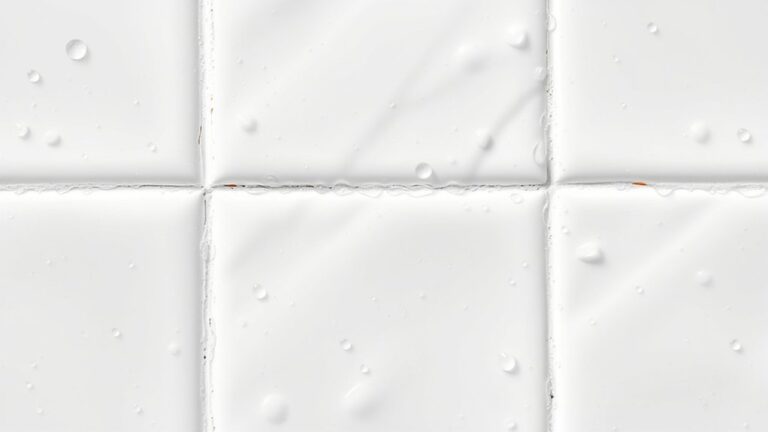
- Their safety depends on strong suction seals on clean, smooth, non-porous surfaces like glass or glazed tile.
- Regular checks before use are essential to detect loosening or suction loss and prevent accidents.
- Overloading or attaching to textured, porous, or dirty surfaces significantly increases failure risk.
- For secure, long-term support, fixed or freestanding grab bars are safer alternatives than suction cup models.
How Suction Cup Shower Grab Bars Work
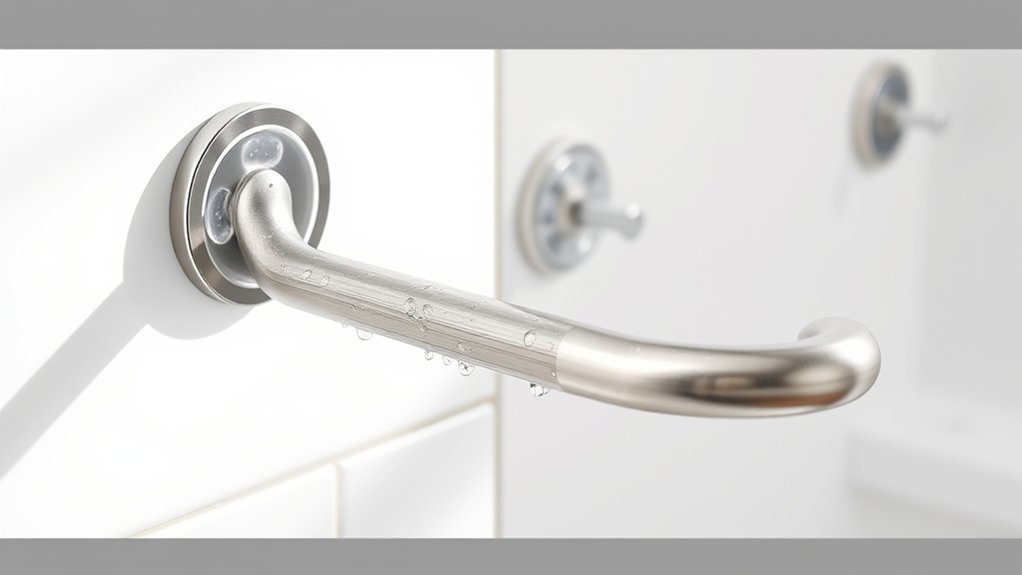
How exactly do suction cup shower grab bars provide support when you need it most? These bars rely on strong suction cups that create a vacuum seal against smooth, non-porous surfaces like tile or glass.
When you press and lock the suction into place, it forms a temporary grip designed to hold your weight. However, discussion ideas often include safety concerns because this grip can weaken over time or with surface irregularities, risking sudden detachment.
You should regularly check the seal’s strength before use and understand that these bars aren’t a permanent solution for stability. Knowing how they work helps you weigh their convenience against potential risks, ensuring you make an informed choice tailored to your bathroom’s conditions and personal safety needs.
Pros of Using Suction Cup Grab Bars in Bathrooms
While suction cup shower grab bars may not offer permanent stability, they do provide several practical benefits that make them appealing for many users. One major advantage is the ease of safe installation. You can quickly place and remove these bars without drilling holes or causing damage to your bathroom walls.
This makes them an excellent temporary solution, especially if you’re renting or need extra support during recovery from an injury. Additionally, their portability allows you to reposition them as needed, adapting to changing safety requirements.
Suction cup grab bars also tend to be more affordable than permanent fixtures, giving you an accessible way to enhance bathroom safety. These benefits make them a convenient option when you need quick, non-permanent support.
Common Safety Risks of Suction Cup Grab Bars
Why might suction cup grab bars fail when you need them most? Dangerous misuse and incorrect installations often cause these bars to lose suction, risking falls. They rely on smooth, clean surfaces. Any dirt or texture reduces grip.
Overloading them beyond weight limits or placing them on unsuitable spots further increases failure risk.
| Risk Type | Cause | Impact |
|---|---|---|
| Loss of Suction | Dirty or textured surface | Sudden detachment |
| Overloading | Exceeding weight limits | Bar collapse |
| Incorrect Placement | Uneven or porous walls | Weak hold |
| Misuse | Using as permanent support | False security |
Understanding these risks helps you avoid accidents and make safer choices in your bathroom.
How to Install Suction Cup Grab Bars Safely
To install suction cup grab bars safely, you’ll need to start by thoroughly cleaning and drying a smooth, non-porous surface to ensure a strong hold.
Next, choose a placement that supports your balance and reach without forcing awkward movements.
Following these steps carefully can reduce the risk of slips and provide more reliable support when you need it.
Surface Preparation Tips
How you prepare the surface plays a critical role in ensuring your suction cup grab bar stays secure. Start by performing surface testing to confirm the wall material is smooth, non-porous, and clean. These are ideal for suction.
Avoid textured, painted, or porous surfaces, as they reduce suction strength. Next, clean the area thoroughly with rubbing alcohol to remove soap scum, oils, and residue. Let it dry completely before attaching the grab bar.
Also, check adhesive compatibility; some suction cups use rubber or gel adhesives designed for specific surfaces. Using incompatible adhesives can cause failure or damage.
Taking these steps doesn’t guarantee permanent hold but considerably improves safety and reliability, helping you feel confident in your grab bar’s support every time you use your shower.
Proper Placement Guidelines
Where you place your suction cup grab bar can make all the difference in its effectiveness and safety. To install it safely while respecting tub aesthetics and budget constraints, consider these guidelines:
- Position the grab bar at waist or hip height for easy reach without strain.
- Place it on smooth, non-porous surfaces to ensure suction cups stick firmly.
- Avoid areas with soap scum or water buildup, which can weaken suction.
- Install near entry points and transfer areas where slips are most likely.
Following these steps helps you maximize stability and safety without costly modifications. Remember, improper placement not only risks falls but can damage your tub’s finish. By thoughtfully choosing the location, you protect both your safety and your bathroom’s look, all within your budget.
Signs a Suction Cup Grab Bar Is No Longer Secure
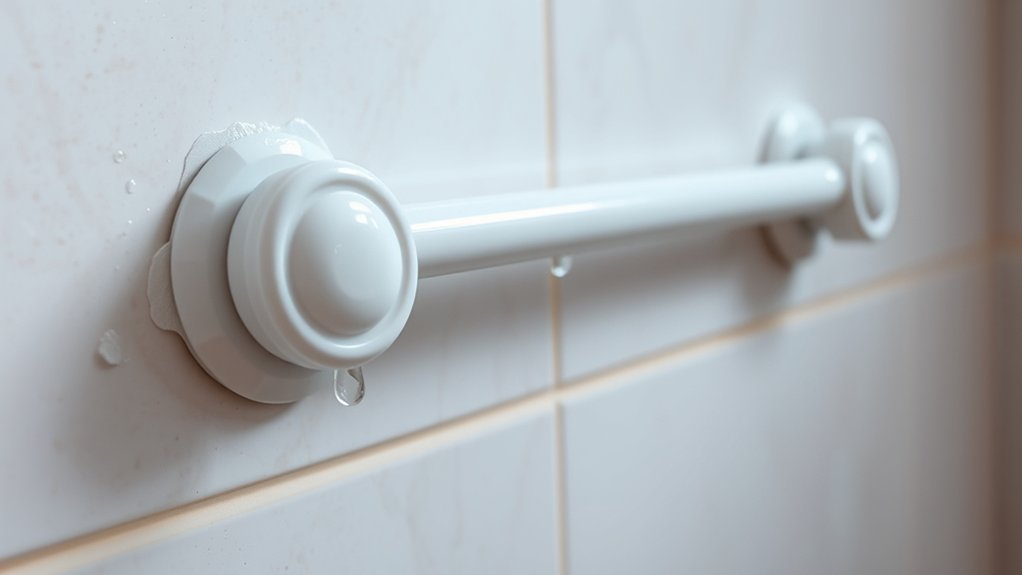
Pay close attention to any wobbling, slipping, or unusual movement when you use your suction cup grab bar. These signs suggest it’s no longer secure and could fail when you need it most.
You might notice the cups losing suction or small gaps forming between the bar and the wall. If you dismiss these warnings, treating them as an unrelated topic or engaging in off topic discussion about other safety measures, you risk injury.
Regularly test the bar’s stability before each use. If it feels loose, reposition or replace it immediately.
Staying vigilant helps prevent accidents and ensures your grab bar remains a reliable support in the shower. Don’t wait for a fall to realize your grab bar isn’t safe anymore.
When Suction Cup Grab Bars Aren’t the Best Option
You shouldn’t rely on suction cup grab bars if your shower walls aren’t smooth, non-porous surfaces, as they won’t hold securely.
If you weigh more than the grab bar’s limit, the risk of failure increases considerably. In these cases, a permanently installed grab bar offers a safer, more reliable solution.
Surface Compatibility Issues
How do you know if a suction cup grab bar will firmly hold in your bathroom? It largely depends on surface compatibility and the suction cup material. These bars work best on smooth, non-porous surfaces, so check your walls carefully. Avoid rough or uneven areas that can break the seal.
Consider these points:
- Glass and glazed tile provide ideal suction.
- Fiberglass and acrylic may work but test first.
- Textured or porous surfaces like stone or matte tile won’t hold well.
- Painted or wallpapered surfaces risk damage and poor suction.
If your bathroom surfaces don’t meet these criteria, suction cup grab bars might not be safe. Always prioritize secure attachment to prevent falls and injuries.
Weight Limitations Concerns
When should you reconsider using suction cup grab bars for your bathroom safety? If your weight exceeds the manufacturer’s specified weight limits or if you require a higher load capacity, suction cup grab bars might not be the safest choice.
These grab bars rely on suction to adhere to smooth surfaces, but their hold can weaken under significant weight or sudden force. Research shows that suction cups can fail unexpectedly, posing a fall risk.
For reliable support, especially if you have mobility challenges or weigh more than average, consider fixed grab bars anchored into the wall. Prioritizing stability over convenience ensures your safety.
Understanding these weight limitations helps you make informed decisions to prevent accidents and maintain confidence in your bathroom environment.
Alternative Grab Bars for Bathroom Safety
What options do you have if suction cup grab bars don’t provide the stability you need? While suction cup designs offer a non-invasive solution and preserve bathroom aesthetics, you might require alternatives for enhanced safety. Consider these reliable options:
- Wall-mounted grab bars: Securely anchored into wall studs, they provide strong support and long-term stability.
- Swing-away grab bars: Foldable bars that save space yet offer firm assistance when needed.
- Freestanding grab bars: Ideal if wall installation isn’t possible, these bars stand independently near showers or tubs.
- Rail systems: Installed along walls, they offer continuous support for movement and balance.
Each alternative balances safety and bathroom style differently. Choosing the right one depends on your specific needs, bathroom layout, and desire for a secure, confidence-boosting grip.
How to Maintain and Check Suction Cup Grab Bars Regularly
Why should you regularly check your suction cup grab bars? Because suction cup failure can happen unexpectedly, posing a serious wobble risk that might lead to falls. To keep yourself safe, inspect the grab bars before every use.
Press firmly on the bar and look for any movement or looseness. Clean both the suction cups and the surface with mild soap and water to remove soap scum or residue, which weakens adhesion.
Avoid using the grab bar if you notice even slight wobbling. It’s a clear sign the suction is compromised. Reapply the suction cups according to the manufacturer’s instructions, ensuring a secure seal.
Regular maintenance reduces the chance of suction cup failure, helping you maintain a safer bathroom environment.
Expert Tips for Safely Using Suction Cup Grab Bars
Regularly checking your suction cup grab bars is a smart habit, but using them safely goes beyond inspections. To maximize safety, you need to understand how the suction mechanism and material durability impact performance.
Here are expert tips to help you:
- Always ensure the surface is clean, dry, and smooth before attaching the bar; this optimizes suction.
- Test the bar’s hold by applying gentle pressure before relying on it to support your weight.
- Replace grab bars if you notice any cracks or loss of suction strength, as material durability degrades over time.
- Avoid using suction cup grab bars as your sole support; consider permanent grab bars for enhanced safety.
Following these practical steps helps you use suction cup grab bars safely and confidently.
Frequently Asked Questions
Can Suction Cup Grab Bars Be Used Outdoors?
You can use suction cup grab bars outdoors, but they may lose suction on uneven or dirty surfaces.
Be cautious of tile damage concerns if used on delicate tiles, and regularly check their stability for safe outdoor use.
Do Suction Cup Grab Bars Cause Damage to Bathroom Tiles?
You won’t usually see tile adhesive impact from suction cup grab bars since their suction cup durability relies on smooth, non-porous surfaces. However, improper use or dirty tiles can reduce adhesion, potentially risking minor tile damage over time.
Are Suction Cup Grab Bars Suitable for Children?
Imagine your child slipping despite suction cup grip testing. Suction safety varies, so you shouldn’t rely solely on these bars for kids.
Use them as temporary aids, not permanent supports, and always supervise closely.
How Long Do Suction Cup Grab Bars Typically Last?
You can expect suction cup grab bars’ suction longevity to last a few weeks to months, depending on surface and use. Always check their weight limits and regularly re-secure them to ensure your safety and confidence.
Can Suction Cup Grab Bars Support Heavy Weights?
You shouldn’t rely on suction cup grab bars to support heavy weight, especially during outdoor use where surfaces vary. They provide temporary help but aren’t designed for consistent, heavy-duty support. Consider permanent fixtures for safety.