Are Shower Scrunchies Bad for You
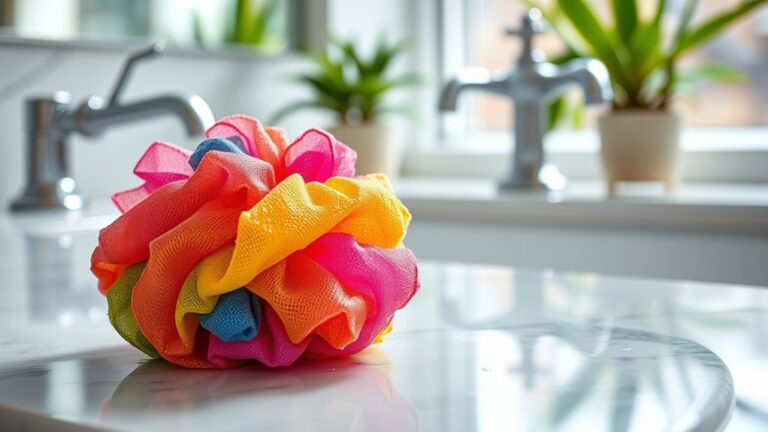
You might wonder if shower scrunchies are bad for you, especially when they stay wet for long periods. These accessories can impact your hair and scalp in different ways depending on the material used.
Some scrunchies reduce breakage by minimizing friction, which is beneficial for hair health. However, others may trap moisture, creating an environment that encourages bacterial growth.
It’s important to understand the differences between scrunchie types and how they affect your hair before deciding if they’re a safe addition to your routine.
Key Takeaways
- Shower scrunchies made from smooth, water-resistant materials can protect hair by reducing friction and breakage during showers.
- Synthetic scrunchies may trap moisture and bacteria, increasing risks of scalp irritation and dandruff if not cleaned and dried properly.
- Proper use, including avoiding tight tying and frequent replacement, minimizes hair damage and prevents microbial buildup.
- Natural fibers and silk scrunchies promote better scalp airflow and reduce friction, supporting healthier hair and scalp balance.
- Shower scrunchies are not inherently bad but require good hygiene and material choice to avoid scalp issues and maintain hair health.
What Are Shower Scrunchies and How Are They Different From Regular Hair Ties?
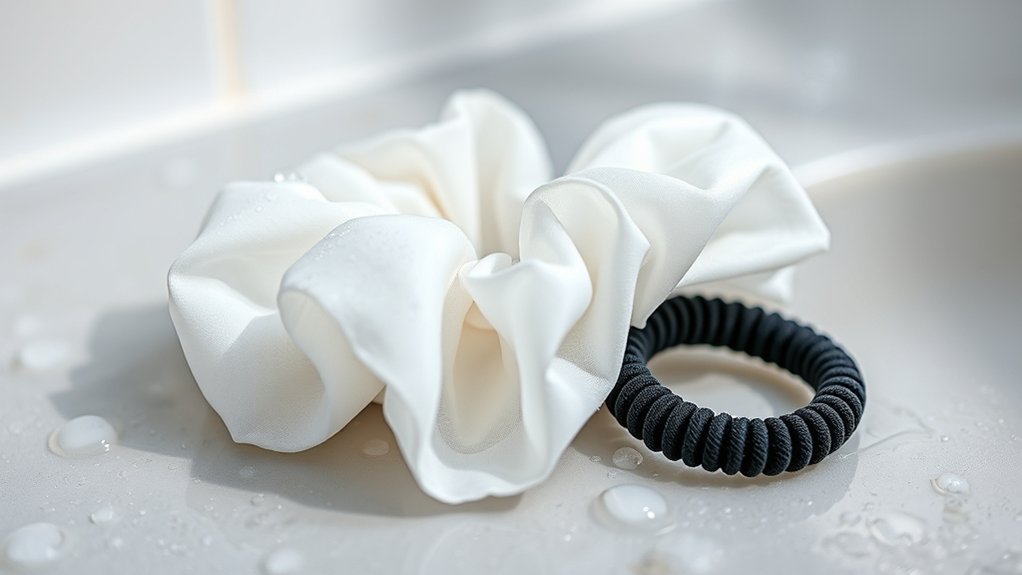
What exactly sets shower scrunchies apart from regular hair ties? Shower scrunchies are typically made from water-resistant materials like silicone or coated fabrics, designed to withstand moisture and reduce slipping during showers. In contrast, regular hair ties often use elastic bands covered with fabric, which can degrade faster when exposed to water.
When considering sustainability concerns, shower scrunchies may offer longer durability, potentially reducing waste compared to frequently replaced regular ties. However, the materials used in some shower scrunchies, such as synthetic polymers, can pose environmental issues if not recyclable.
Regarding price comparisons, shower scrunchies generally cost more upfront than standard hair ties, reflecting their specialized design and materials. Understanding these differences helps you make informed choices balancing cost, durability, and environmental impact.
Are Shower Scrunchies Gentler on Hair Than Regular Hair Ties?
Understanding the materials and construction of shower scrunchies compared to regular hair ties sets the stage for evaluating their impact on hair health. Shower scrunchies typically feature a fabric-covered elastic band, which reduces friction against the hair shaft. In contrast, regular hair ties often have exposed elastic or synthetic fibers that can snag and tug on strands.
This design difference directly affects hair breakage risks. Evidence suggests that shower scrunchies distribute tension more evenly, lowering mechanical stress on hair. However, whether shower scrunchies are gentler on hair than regular hair ties depends on individual hair type and usage habits.
While shower scrunchies generally minimize friction-related damage, improper use or poor-quality materials can still contribute to hair stress. Therefore, selecting scrunchies with smooth, soft fabric can help reduce hair breakage risks effectively.
Do Shower Scrunchies Cause Hair Breakage or Scalp Irritation?
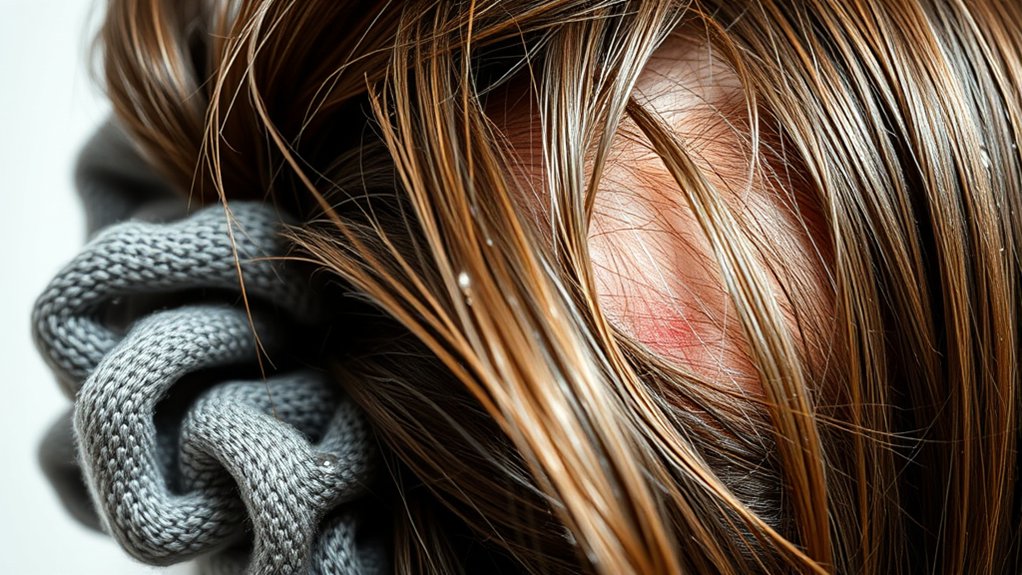
You might wonder if shower scrunchies cause hair breakage or scalp irritation. Research shows that the risk depends largely on the scrunchie’s material and how tightly it grips your hair.
Understanding these factors helps you choose options that minimize damage and discomfort.
Hair Breakage Risks
How likely are shower scrunchies to cause hair breakage or scalp irritation? Generally, shower scrunchies pose a low risk to your hair strength when used properly. Their soft, fabric-covered design reduces tension and friction compared to traditional elastics, which helps minimize breakage.
However, if you have increased scalp sensitivity or frequently pull your hair tightly, the risk can rise.
Consider these points to protect your hair:
- Choose scrunchies made from smooth, gentle materials to avoid snagging.
- Avoid tying your hair too tightly to preserve hair strength and scalp health.
- Replace scrunchies regularly to prevent accumulated dirt and bacteria that may irritate your scalp.
Scalp Irritation Causes
Why might shower scrunchies cause scalp irritation? You could experience scalp irritation due to prolonged moisture retention and friction from certain materials. The material effects of shower scrunchies influence how your scalp responds, potentially causing redness, itchiness, or inflammation.
Understanding the properties of common scrunchie materials helps pinpoint irritation causes.
| Material Type | Potential Scalp Effects |
|---|---|
| Synthetic Fabrics | Trap moisture, increase friction |
| Natural Fibers | Allow better airflow, reduce irritation |
| Elastic Bands | Can cause tightness and pressure spots |
Material Impact on Hair
The materials used in shower scrunchies not only affect scalp comfort but also play a significant role in hair health. You should be aware that the material impact can influence hair breakage and scalp irritation, especially when moisture concerns come into play.
Synthetic fabrics like nylon or polyester may trap moisture, causing friction and weakening hair strands. Conversely, natural fibers such as cotton allow better breathability but may absorb water, leading to prolonged dampness on your scalp.
Consider these factors when choosing a scrunchie material:
- Reduced friction materials minimize hair breakage risk
- Breathable fabrics help prevent scalp irritation
- Moisture-wicking properties limit dampness-related scalp issues
Can Wet Shower Scrunchies Grow Mold or Bacteria?
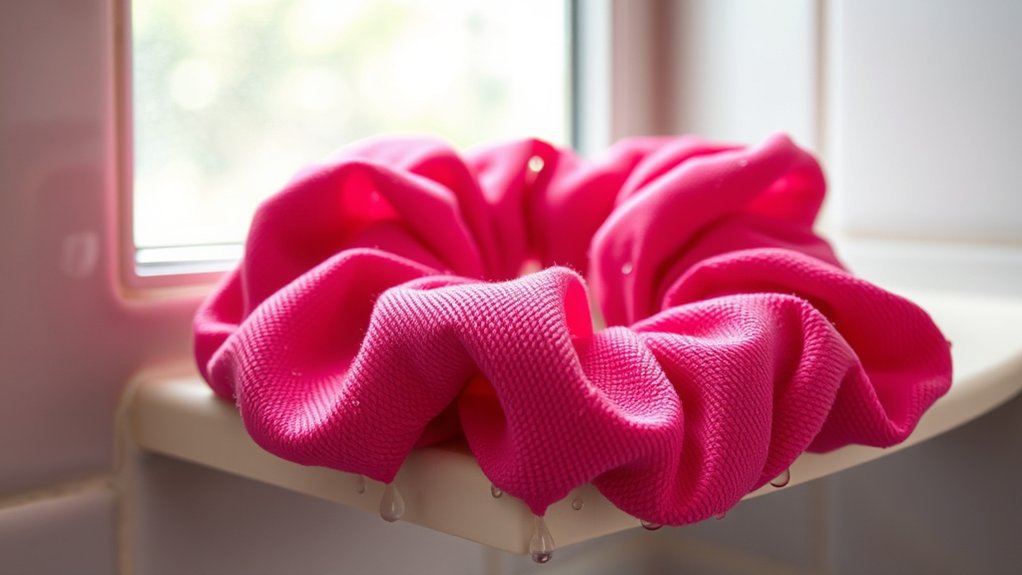
Can wet shower scrunchies become a breeding ground for mold or bacteria? Yes, they can. When scrunchies remain damp, the moist environment promotes mold growth and increases microbial risk.
Studies show that synthetic fabrics, commonly used in shower scrunchies, can retain water, creating ideal conditions for fungi and bacteria to thrive. This microbial colonization can lead to unpleasant odors and potential skin irritations or infections.
To minimize these risks, it’s essential to dry your scrunchie thoroughly between uses and avoid prolonged dampness. Regular cleaning also helps reduce microbial buildup.
Understanding the conditions that foster mold and bacteria on your wet shower scrunchie empowers you to maintain better hygiene and prevent potential health issues effectively.
How to Choose Shower Scrunchies That Protect Hair and Skin
How do you select a shower scrunchie that safeguards both your hair and skin? Prioritize material safety by choosing scrunchies made from non-toxic, hypoallergenic fabrics that minimize irritation.
Effective moisture management is crucial; opt for materials that repel excess water yet allow airflow, reducing mold risk and maintaining skin health. To preserve hair elasticity, select scrunchies with gentle stretch and soft textures that avoid excessive tension or friction, which can cause breakage.
Consider these factors when choosing shower scrunchies:
- Material Safety: Prefer silicone-coated or microfiber fabrics proven safe for prolonged skin contact.
- Moisture Management: Look for quick-drying, breathable materials to prevent dampness.
- Hair Elasticity: Ensure the scrunchie offers gentle grip without pulling, maintaining hair’s natural flexibility.
Cleaning and Caring for Your Shower Scrunchies
Because shower scrunchies frequently encounter moisture and skin oils, you need to clean them regularly to prevent bacterial growth and material degradation. Idea one is to hand wash your scrunchies using mild soap and warm water, which effectively removes oils and grime without damaging the fabric.
After washing, rinse thoroughly to eliminate soap residues that can irritate your skin. Idea two involves drying your scrunchies completely in a well-ventilated area to inhibit mold and mildew formation. Avoid leaving them damp or in enclosed spaces like the shower.
Regular cleaning maintains the integrity of the material and reduces the risk of skin irritation or infection. By following these evidence-based care practices, you ensure your shower scrunchies remain hygienic and safe for daily use.
When Should You Avoid Using Shower Scrunchies?
Maintaining clean and dry shower scrunchies helps minimize the risk of bacterial buildup, but there are specific situations when using them might do more harm than good. You should avoid using shower scrunchies if you notice signs of mold growth, as damp environments promote fungi that can irritate your scalp.
Additionally, be cautious of material safety; some synthetic fabrics may degrade with frequent water exposure, releasing harmful chemicals or causing allergic reactions. Finally, if you have a scalp condition such as eczema or psoriasis, using scrunchies in the shower might exacerbate irritation or infection.
Consider avoiding scrunchie use when:
- Mold growth is visible or suspected
- You experience allergic reactions related to scrunchie material
- You have pre-existing scalp conditions sensitive to moisture or friction
Final Thoughts: Are Shower Scrunchies Good or Bad for Your Hair?
You need to contemplate how shower scrunchies affect your hair health, especially regarding breakage and moisture retention. The material of the scrunchie plays a critical role in minimizing damage, with softer fabrics generally being safer.
Understanding these factors helps you make an informed choice about using shower scrunchies.
Hair Health Impact
How do shower scrunchies affect your hair health? Evidence suggests that when used correctly, they can minimize breakage compared to traditional hair ties. Integrating shower scrunchies into your care routine may reduce tension and friction on wet hair, which is more vulnerable to damage.
However, improper use or low-quality materials can negate these benefits.
Consider the following based on product reviews and scientific insights:
- They help maintain hair integrity by distributing pressure evenly.
- They reduce the incidence of split ends and hair snapping.
- Consistent use may improve hair manageability and reduce frizz.
Scrunchie Material Effects
While proper use of shower scrunchies can protect hair from damage, the material composition plays a significant role in their overall effectiveness. Fiber materials such as silk, microfiber, and cotton differ in how they interact with your hair and scalp.
Silk scrunchies reduce friction, minimizing hair breakage and irritation, which can alleviate common scalp concerns like dryness or sensitivity. Conversely, synthetic fibers may trap moisture and bacteria, potentially exacerbating scalp issues, including dandruff or folliculitis.
Choosing scrunchies made from breathable, natural fibers helps maintain scalp hygiene and promotes healthier hair. Therefore, when selecting a shower scrunchie, prioritize fiber materials that offer gentle support without compromising scalp health, ensuring your hair remains protected and your scalp stays balanced during daily routines.
Frequently Asked Questions
Can Shower Scrunchies Be Used for Other Purposes Besides Hair?
About 60% of people reuse shower scrunchies for alternative uses like organizing cables or securing bags. When doing so, you should consider safety considerations, such as potential bacterial buildup, and clean them regularly to maintain hygiene.
Are There Eco-Friendly Materials Used in Shower Scrunchies?
Yes, shower scrunchies often use eco-friendly materials like organic cotton or bamboo, emphasizing sustainable sourcing. These materials reduce environmental impact while maintaining durability and comfort, aligning with evidence-based practices in sustainable personal care products.
How Long Do Shower Scrunchies Typically Last With Regular Use?
Like a battery powering your sleeping routines, shower scrunchies typically last three to six months with regular use. Their durability depends on material quality and moisture exposure, so replace them before elasticity and hygiene decline.
Do Shower Scrunchies Work Well With All Hair Types?
You’ll find shower scrunchies generally work well across hair types, but shampoo compatibility matters. Certain formulas may degrade them.
Humidity effects can cause material swelling, impacting grip, so consider your hair’s moisture level for optimal use.
Can Shower Scrunchies Be Used Safely on Children’s Hair?
Yes, you can use shower scrunchies safely on children’s hair if they’re made from safe materials. Always check for child safety suitability, ensuring no harmful chemicals or tight bands that could damage delicate hair or scalp.