Are Shower Mixing Valves Universal
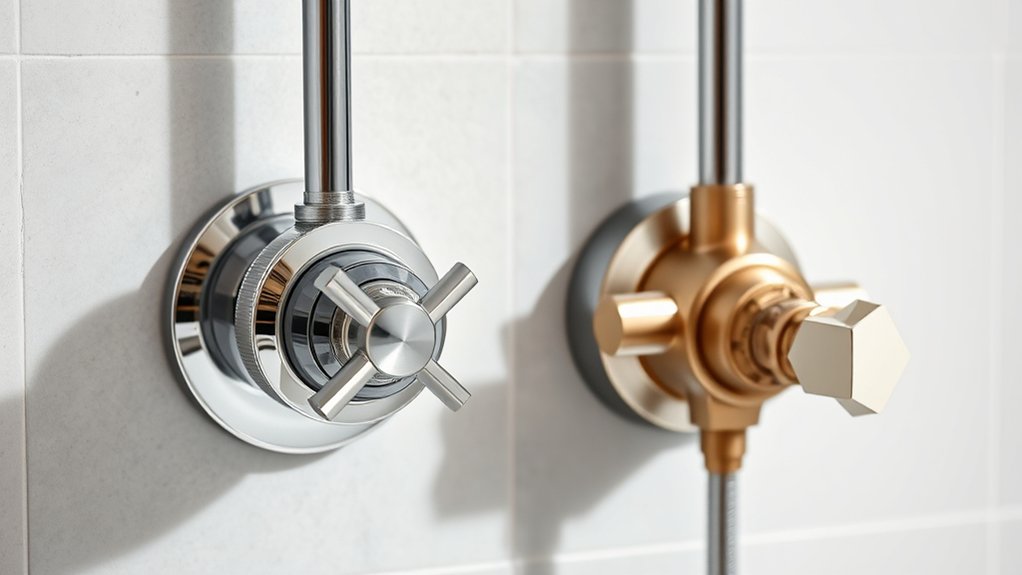
You might assume shower mixing valves are universal, but that’s rarely the case. These components vary in design, connection sizes, and internal mechanisms, which directly impact compatibility with your existing plumbing and trim.
Understanding these differences is essential before attempting a replacement. To avoid costly mistakes, you need to know how to verify fit and function—especially when dealing with different brands and models.
Key Takeaways
- Shower mixing valves are rarely universal due to varying designs, sizes, and connection types across brands.
- Assumed interchangeability often causes installation challenges and compatibility issues.
- Precise measurements of valve dimensions and connection spacing are essential before replacement.
- Brand-specific valves may offer better integration but limit cross-brand compatibility.
- Compatibility affects safety, efficiency, and long-term performance of the shower system.
What Are Shower Mixing Valves and Why They Matter
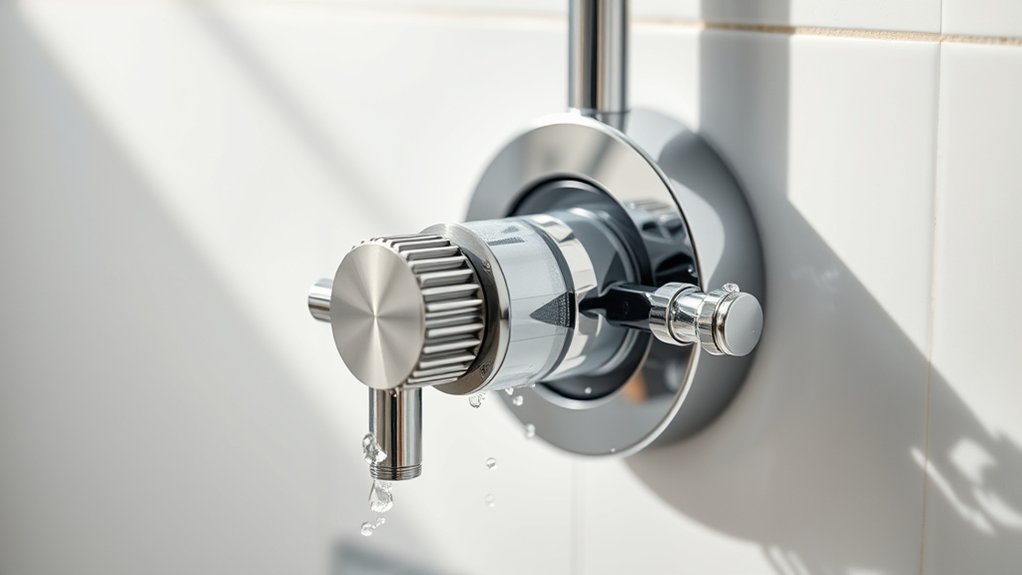
What exactly are shower mixing valves, and why should you care about them? These valves control the blend of hot and cold water entering your shower, ensuring a consistent temperature.
You rely on them for shower safety, as they prevent sudden temperature fluctuations that can cause scalding or discomfort. Proper regulation of water pressure is integral to their function; if water pressure varies, the valve adjusts to maintain your selected temperature.
Without a reliable mixing valve, you risk inconsistent water temperature, leading to potential burns or cold shocks. Understanding how these valves work helps you appreciate their role in maintaining both comfort and safety during showers, making them essential components in your bathroom’s plumbing system.
Are Shower Mixing Valves Universal? What You Need to Know
Understanding the function of shower mixing valves naturally leads to questions about their compatibility across different fixtures. You might expect universal compatibility, but that’s rarely the case. Shower mixing valves vary in design, size, and connection types, which makes assuming interchangeability risky.
Shower mixing valves differ widely, so assuming universal compatibility can lead to installation challenges and performance issues.
When considering installation, you need to evaluate:
- Valve dimensions and port alignment to match existing plumbing.
- Valve type compatibility: pressure balanced, thermostatic, or manual.
- Manufacturer-specific standards affecting fit and performance.
These factors directly impact installation considerations and overall system functionality. Universal compatibility remains limited due to these technical variances.
Consequently, precise measurements and specifications are crucial before selecting a replacement or upgrade, ensuring seamless integration without compromising safety or efficiency.
How to Tell If a Replacement Shower Mixing Valve Will Fit
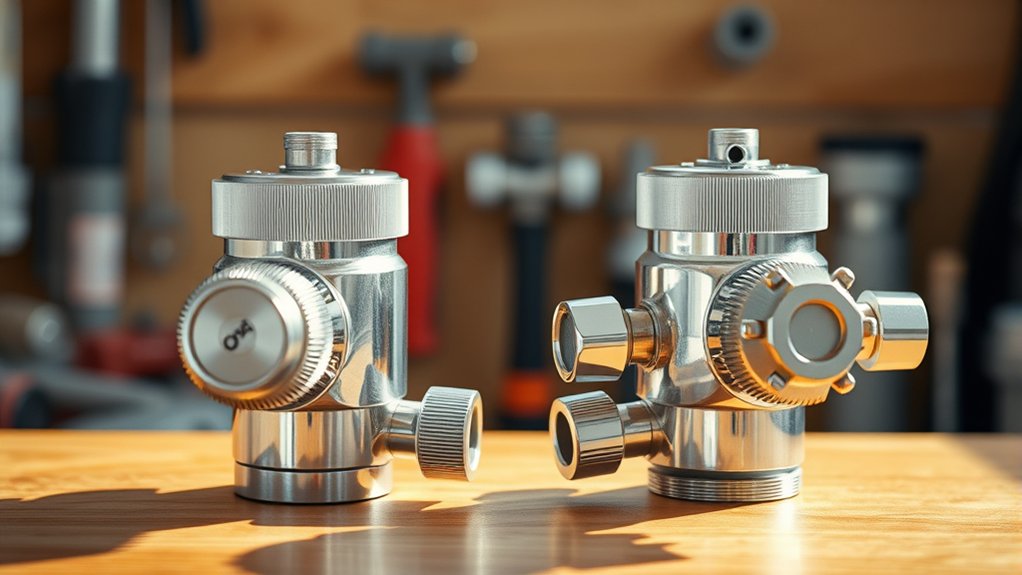
You’ll need to measure the existing valve’s dimensions carefully, including inlet and outlet sizes, to guarantee a proper fit. Next, verify the replacement valve meets relevant compatibility standards, such as ASSE or CSA certifications.
These steps help confirm the new valve matches your plumbing system’s specifications precisely.
Measuring Existing Valve Dimensions
How can you guarantee a replacement shower mixing valve fits correctly? Start by meticulously measuring the existing valve dimensions. These measurements are crucial since universal compatibility claims don’t always ensure a perfect fit.
Focus on three critical areas:
1. Valve Body Width and Height
Measure the overall valve body to ensure the new valve will fit within the existing wall cavity without modifications.
2. Inlet and Outlet Spacing
Accurately measure the distance between hot and cold water inlets and the mixed water outlet; mismatches here prevent proper connection.
3. Depth from Wall Surface
Determine how far the valve extends behind the wall to avoid installation issues with trim plates and handles.
Checking Valve Compatibility Standards
Where can you find reliable information to ensure your replacement shower mixing valve meets compatibility standards? Start by consulting manufacturer specifications and plumbing codes, which reference universal standards governing valve dimensions and performance.
These standards, such as ASSE or CSA certifications, confirm that valves undergo rigorous compatibility testing to fit existing plumbing setups. You should verify that the replacement valve matches the original’s inlet and outlet sizes, pressure ratings, and temperature controls as specified by these standards.
Additionally, cross-reference product datasheets to confirm adherence to universal standards, ensuring interoperability. Skipping this step risks installation issues or system inefficiencies.
How Brands and Models Affect Shower Mixing Valve Compatibility
Why do compatibility issues arise between shower mixing valves and different brands or models? You’ll find that design variations, manufacturing standards, and proprietary technology all play roles. When selecting a valve, consider these factors:
- Design and Dimensions: Brands often create unique valve bodies and cartridge sizes, affecting fit and function.
- Technological Features: Some models include integrated pressure balancing or thermostatic controls that aren’t interchangeable.
- Aesthetic and Budget Choices: Shower valve aesthetics influence brand selection, while budget flexibility determines if you can opt for premium, compatible models or must compromise.
Understanding these points helps you avoid costly replacements or improper installations. Compatibility isn’t guaranteed across brands, so matching your valve to the specific model and brand is critical for performance and longevity.
Common Shower Mixing Valve Sizes and Connection Types
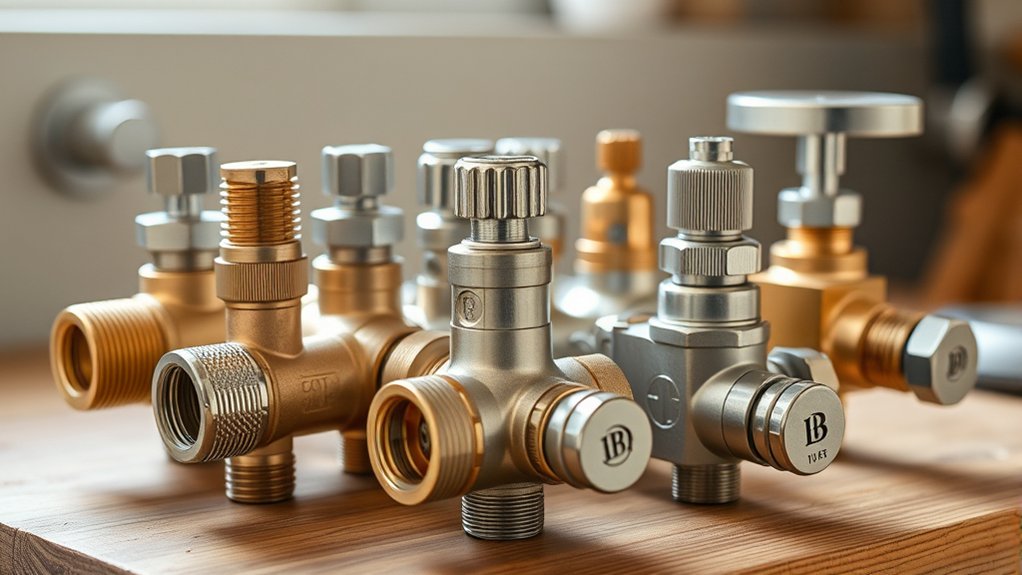
Which sizes and connection types should you expect when dealing with shower mixing valves? Typically, valves come in standard sizes such as 1/2-inch or 3/4-inch diameters for inlet and outlet connections. These measurements correspond to the pipe fittings in most residential plumbing systems.
However, some valves feature nonstandard connections, complicating replacements or upgrades. Universal fit valves aim to accommodate various sizes and connection types, but you must verify compatibility with your existing plumbing.
Threaded connections, sweat (solder) fittings, and push-fit types are common, each requiring specific installation techniques. When selecting a valve, consider these dimensions and connection styles carefully to ensure proper sealing and flow control.
Understanding these factors helps avoid leaks and performance issues while installing or replacing shower mixing valves.
Pros and Cons of Universal vs. Brand-Specific Valves
How do you decide between universal and brand-specific shower mixing valves? You weigh universal compatibility against brand lock in. Universal valves fit diverse setups, reducing complexity. Brand-specific valves ensure optimal performance but limit cross-brand interchangeability.
Consider these factors:
- Installation Flexibility: Universal valves adapt easily to various plumbing configurations, minimizing retrofit challenges.
- Warranty and Support: Brand-specific valves often come with manufacturer warranties and dedicated support, unlike most universal options.
- Replacement and Maintenance: Universal valves simplify replacements, while brand lock in may require sourcing exact brand parts, complicating repairs.
You’ll find universal valves offer broad compatibility but may sacrifice some performance tuning. Brand-specific valves optimize system integration but restrict your options with proprietary designs, impacting future upgrades or repairs. Choose based on your priorities for flexibility versus brand consistency.
Tips for Choosing the Right Shower Mixing Valve for Your Setup
When selecting a shower mixing valve for your setup, consider the specific plumbing configuration and water pressure requirements to guarantee compatibility and optimal performance. Assess whether a valve offers universal compatibility, which simplifies replacement but may not perfectly match your system’s flow rates or connection types.
Evaluate installation difficulty based on your existing plumbing layout; valves designed for universal use often involve fewer modifications, reducing labor time and potential errors. Verify valve pressure ratings align with your water system to prevent performance issues.
Finally, consult manufacturer specifications and, if necessary, professional advice to ensure that your choice balances ease of installation, functional requirements, and durability. Making an informed decision minimizes future maintenance and enhances shower reliability.
Frequently Asked Questions
How Do Shower Mixing Valves Affect Water Temperature Consistency?
You rely on shower mixing valves to maintain temperature stability by accurately blending hot and cold water. However, universal compatibility isn’t guaranteed, so selecting valves designed for your system guarantees consistent, precise water temperature control.
Can Shower Mixing Valves Help Conserve Water?
Yes, shower mixing valves help conserve water by enabling precise temperature control, reducing water waste. Their valve accessibility facilitates leak detection and maintenance, ensuring efficiency and preventing continuous water flow from unnoticed leaks.
What Maintenance Is Required for Shower Mixing Valves?
You might overlook maintenance reminders, yet valve corrosion issues demand attention. You should regularly inspect, clean mineral buildup, and lubricate seals to ensure optimal performance and longevity.
Neglecting this risks leaks and temperature inconsistencies.
Are There Health Risks Associated With Faulty Shower Mixing Valves?
Yes, faulty valves can cause health risks by delivering scalding hot or contaminated water. You should regularly inspect and maintain valves to prevent bacterial growth, such as Legionella, and avoid temperature fluctuations that pose safety hazards.
How Long Do Shower Mixing Valves Typically Last?
Like a reliable knight’s armor, shower mixing valves last 10-20 years, depending on varied materials and installation challenges. Proper maintenance and quality parts ensure longevity, while poor setups can drastically shorten their functional lifespan.