Are Shower Mats Necessary
When it comes to shower safety, are shower mats the unsung heroes or just another bathroom accessory? You might assume they’re essential to prevent slips, especially on wet surfaces, but the reality is more nuanced.
While mats with textured surfaces and suction cups do reduce risk, alternatives like slip-resistant flooring and grab bars can also enhance safety. Understanding these options can help you make an informed choice for your specific needs.
Key Takeaways
- Shower mats significantly reduce slip risks by providing a stable, non-slip surface in wet shower environments.
- Individuals with mobility issues, children, older adults, and injury recovery patients especially benefit from shower mats.
- Properly maintained mats with antimicrobial features prevent mold and bacterial growth, preserving safety and hygiene.
- Alternatives like slip-resistant flooring and grab bars can reduce falls without mats in well-designed showers.
- Mats require regular cleaning, inspection, and timely replacement to maintain effectiveness and avoid health hazards.
Do Shower Mats Prevent Bathroom Slips?
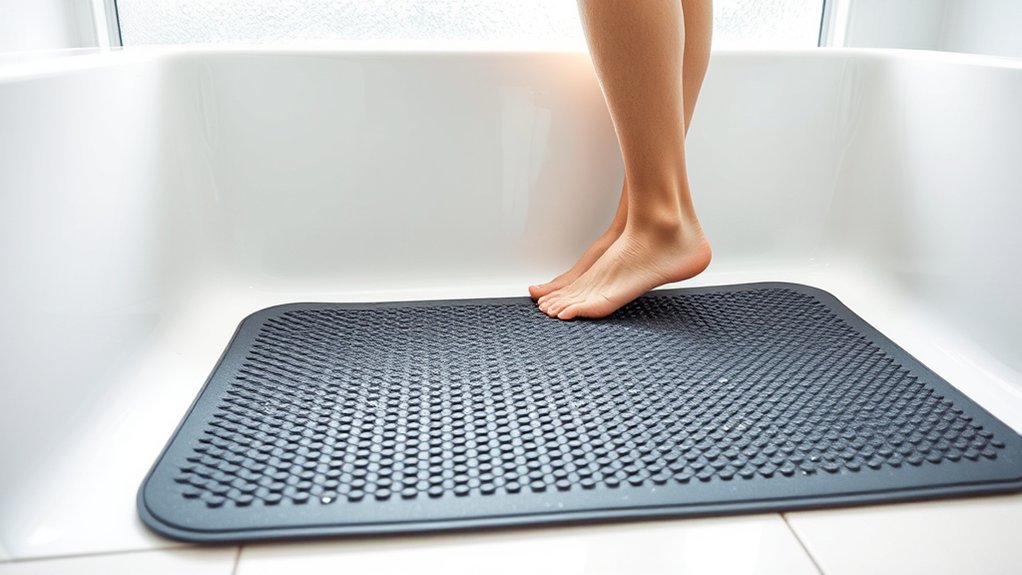
How effective are shower mats in preventing bathroom slips? Research indicates that shower mats significantly reduce slip incidents by providing a non-slip surface. The mat texture functionality plays a critical role; mats with raised patterns or suction cups increase friction, enhancing grip on wet surfaces.
When you choose a mat, you should consider both safety and shower mat aesthetics, as visually appealing mats encourage consistent use without sacrificing bathroom decor. Clinical studies confirm that mats with optimal texture functionality decrease fall risk by stabilizing foot placement during showering.
However, you must ensure the mat is properly maintained to avoid mold growth, which can negate safety benefits. Overall, shower mats offer an evidence-based intervention that effectively improves bathroom safety by minimizing slips.
Can Shower Design Improve Safety Without Mats?
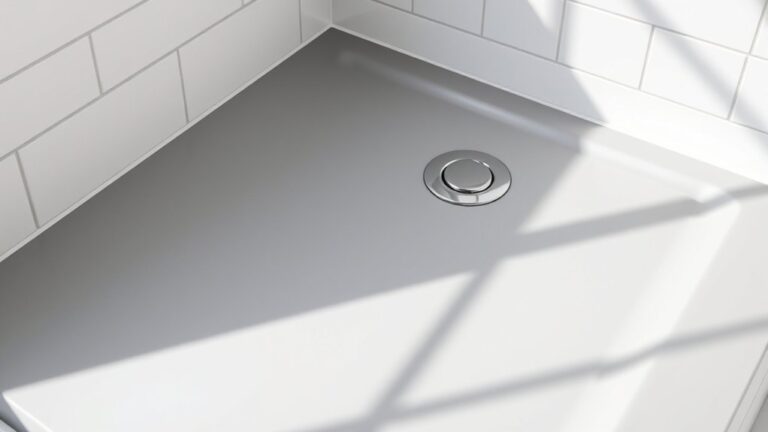
You can enhance shower safety by choosing slip-resistant flooring materials that reduce fall risks without mats.
Thoughtful shower layouts, like curbless designs and strategically placed grab bars, also contribute to safer environments. These features work together to minimize hazards and improve user stability.
Slip-Resistant Flooring Options
Can shower design alone enhance safety without relying on mats? Yes, by selecting slip-resistant materials, you can significantly reduce fall risks.
Tiled flooring, common in showers, varies widely in slip resistance. You should opt for textured or matte tiles that meet ASTM standards for slip resistance, such as those with a coefficient of friction (COF) above 0.6 when wet.
Porcelain and ceramic tiles with anti-slip finishes provide durable, hygienic surfaces that reduce slipping hazards. Additionally, grout choice affects safety; wider, textured grout lines enhance traction.
While tiled flooring offers aesthetic flexibility, prioritizing slip resistance is crucial for injury prevention. Incorporating these evidence-based choices allows you to improve shower safety effectively without relying solely on mats.
Innovative Shower Layouts
Where should safety begin in a shower if not with its layout? Innovation trends in shower design increasingly focus on reducing slip risks without relying solely on mats. You can improve safety by considering:
- Incorporating non slip textures directly into flooring materials, proven to enhance traction.
- Designing curbless, walk-in showers to minimize tripping hazards and provide easier access.
- Strategically placing grab bars within reach to support balance and prevent falls.
- Optimizing drainage systems to prevent water pooling, a common cause of slips.
These evidence-based design elements work together to create safer environments. By prioritizing thoughtful layout and material selection, you reduce dependence on removable mats while maintaining effective slip resistance. This approach aligns with current innovation trends aiming for integrated, permanent safety solutions in wet areas.
Which Shower Mats Are Best for Safety?
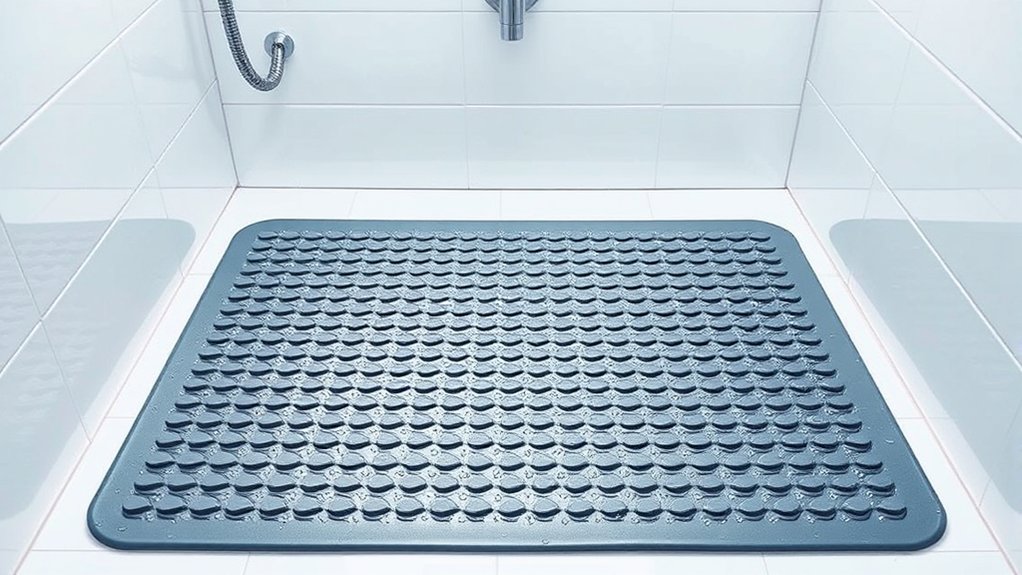
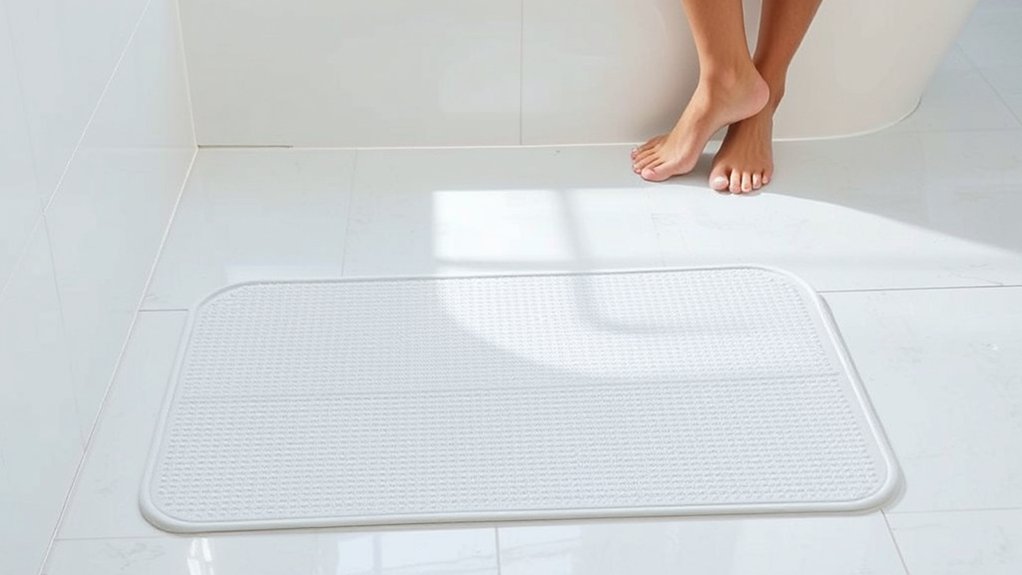
How do you determine which shower mats provide the highest level of safety? Start by evaluating materials with proven slip resistance, such as textured rubber or PVC, which offer strong traction even when wet.
Look for mats with suction cups or adhesive backing to secure the mat firmly to the shower floor, reducing movement that can cause falls. Consider mats treated with antimicrobial agents to prevent mold and bacterial growth, as this maintains a cleaner, safer surface long-term.
Safety questions often arise around thickness and drainage; choose mats that are not overly thick to avoid tripping hazards and have perforations or channels to facilitate water flow, preventing pooling. Selecting shower mats based on these evidence-based criteria ensures optimal safety in wet environments.
Who Benefits Most From Using Shower Mats?
Who stands to gain the most from using shower mats? Shower mats considerably enhance bathroom safety by reducing slip risks. You’ll benefit most if you belong to these groups:
- Older adults: Age-related balance decline increases fall risk; shower mats provide critical traction.
- Children: Their smaller size and less coordination make slips common; mats offer extra grip.
- Individuals with mobility impairments: Limited movement or use of assistive devices require stable surfaces.
- People recovering from surgery or injury: Temporary weakness or instability demands added bathroom safety.
Using shower mats supports these populations by minimizing fall hazards in wet environments. Clinical studies confirm their effectiveness in preventing slip-related injuries, making them an essential bathroom safety tool for vulnerable users like you.
What Are the Pros and Cons of Shower Mats?
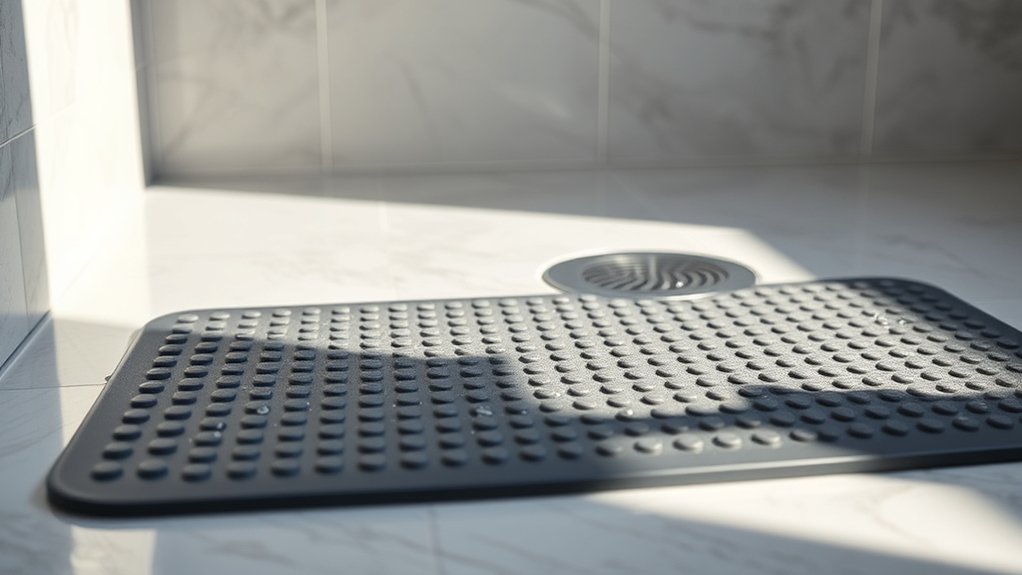
Why should you consider the advantages and drawbacks of shower mats before using them? Shower mats provide a non-slip surface, significantly reducing fall risks, especially for individuals with mobility issues. They are generally affordable, aligning well with budget considerations.
However, shower mats can harbor mold and bacteria if not cleaned regularly, posing hygiene concerns. From a bathroom aesthetics perspective, mats might disrupt the overall design, as many look utilitarian rather than decorative.
Additionally, some mats may deteriorate quickly, requiring frequent replacement, which can increase long-term costs. You should also consider material safety; some mats use adhesives that can damage shower surfaces.
Balancing these pros and cons helps you make an informed choice that suits your safety needs, budget, and bathroom aesthetics without compromising hygiene or durability.
What Are Safer Alternatives to Shower Mats?
Although shower mats offer some slip resistance, you might find safer alternatives that reduce fall risk without the common hygiene and durability issues. Addressing slippery floors effectively means considering options backed by safety data and practical use.
- Textured or Anti-Slip Shower Flooring: Materials designed with built-in grip reduce slips more reliably than removable mats.
- Adhesive Anti-Slip Strips or Tapes: These provide targeted traction and are easy to replace when worn.
- Shower Chairs or Benches: For individuals with mobility challenges, these reduce standing time on slippery floors, lowering fall likelihood.
- Proper Drainage and Regular Cleaning: Minimizing water pooling and soap scum buildup helps maintain floor traction, addressing slipperiness at its source.
You’ll find these alternatives improve safety while avoiding the microbial and wear issues often seen with shower mats.
When Should You Clean and Replace Shower Mats?
You should clean your shower mat at least once a week to prevent mold and bacteria buildup. Replace the mat if you notice cracks, persistent odors, or discoloration that won’t go away with cleaning.
Proper maintenance, including drying the mat after each use, helps extend its lifespan and ensures safety.
Cleaning Frequency Guidelines
How often should you clean and replace your shower mat to maintain hygiene and safety? Proper cleaning frequency is essential to prevent mold, mildew, and bacteria buildup, which compromise both health and bathroom aesthetics. Follow these evidence-based guidelines:
- Clean your shower mat at least once a week using hot water and antibacterial soap to eliminate germs effectively.
- After each shower, hang the mat to dry completely, reducing moisture that fosters microbial growth.
- Perform a deep clean monthly by soaking the mat in a vinegar or bleach solution, depending on material compatibility.
- Replace the mat every 6 to 12 months, even with regular cleaning, to avoid deterioration that can harbor harmful pathogens.
Maintaining this routine ensures a safer, cleaner shower environment while preserving your bathroom’s visual appeal.
Signs To Replace
Regular cleaning and maintenance help extend the lifespan of your shower mat, but knowing when to replace it is equally important to prevent health risks. You should replace your shower mat if you notice persistent mold, mildew, or discoloration that resists thorough cleaning.
Cracks, tears, or warping also indicate compromised material integrity, reducing slip resistance and increasing injury risk. Additionally, if odors persist despite cleaning, it’s a sign bacteria have deeply penetrated the mat.
Avoid mixing unrelated topics or ideas when assessing these signs; focus solely on physical and hygienic conditions. Timely replacement based on these evidence-based indicators supports a safer shower environment and prevents microbial contamination that could exacerbate health issues.
Proper Maintenance Tips
When should you clean and replace shower mats to ensure ideal hygiene and safety? Regular maintenance is crucial, considering shower mat durability varies by material. Follow these evidence-based steps:
- Clean weekly using mild detergent to prevent mold and bacteria buildup, respecting mat material sensitivity.
- Air dry mats thoroughly after each use to inhibit microbial growth and extend lifespan.
- Inspect mats monthly for signs of wear or reduced grip, as compromised durability increases slip risks.
- Replace mats every 6-12 months or sooner if damage or persistent odors occur, since prolonged use decreases hygiene and safety.
Adhering to these guidelines helps maintain optimal function and cleanliness, minimizing infection and injury risks in your shower environment.
How Do You Choose the Right Shower Mat?
Why does selecting the right shower mat matter? Choosing a mat with proven shower mat durability ensures it withstands moisture and frequent use without degrading. You should prioritize non slip rug materials that have been clinically tested for grip on wet surfaces to reduce fall risk effectively.
Look for mats made from high-quality rubber or PVC, as these provide consistent traction and resist mold growth. Avoid mats with inadequate suction or slippery backing, which compromise safety.
Additionally, consider mats with antimicrobial properties to inhibit bacteria and fungi accumulation, promoting hygiene. By focusing on durability and reliable non slip materials, you ensure a safer shower environment backed by evidence-based standards.
This approach minimizes accidents and extends the mat’s functional lifespan, making your choice both practical and protective.
Tips for Maintaining a Safe Shower Environment
How can you guarantee your shower remains a safe space daily? Focus on key factors that minimize risks and promote hygiene. Here are four evidence-based tips:
- Monitor water temperature: Keep it between 100-110°F (37-43°C) to prevent burns and ensure comfort.
- Use non-slip surfaces: Install shower mats or adhesive strips to reduce slip-related injuries.
- Implement mold prevention: Ventilate the bathroom adequately and clean surfaces regularly with antifungal agents to inhibit mold growth.
- Maintain cleanliness: Remove soap scum and hair to prevent slippery buildup and bacterial proliferation.
Frequently Asked Questions
Are Shower Mats Environmentally Friendly?
Shower mats aren’t always eco friendly, but you can choose eco friendly alternatives made from natural materials. Prioritize non slip safety considerations to prevent falls while minimizing environmental impact, ensuring both safety and sustainability in your bathroom.
Can Shower Mats Cause Mold or Mildew Buildup?
If you don’t dry your shower mat properly, like Sarah did, mold concerns can arise. Using antimicrobial mats helps reduce mold and mildew buildup by inhibiting microbial growth, supporting a cleaner, safer shower environment backed by clinical studies.
Do Shower Mats Affect Water Drainage in Showers?
Yes, shower mats can affect water drainage by trapping water beneath them, increasing the risk of mold buildup. To prevent this, you should choose mats with adequate drainage holes and regularly clean and dry them to maintain hygiene.
Are There Shower Mats Suitable for Pets?
Yes, you’ll find pet friendly mats designed with non slip options to assure safety for your pets during baths. These mats use durable, water-resistant materials proven to reduce slips and improve stability in wet environments.
How Do Shower Mats Impact Bathroom Aesthetics?
Like a Victorian parlor, your bathroom textures and color harmony shape its vibe. Shower mats introduce tactile contrast and can enhance or disrupt visual flow. Choose mats that complement existing patterns and hues for balanced aesthetics.