Are Shower Enemas Safe
You might not realize that shower enemas, when used correctly, deliver a precise, mechanical cleanse that can relieve constipation without harsh chemicals.
Shower enemas are designed to provide gentle relief by flushing out the lower bowel with water.
However, their safety hinges on careful technique, proper equipment, and limited frequency to prevent complications like electrolyte imbalance or rectal injury.
Understanding these factors is essential before considering their use, especially if you have underlying health conditions.
Let’s explore what makes shower enemas safe and when they might pose risks.
Proper knowledge and caution can help ensure that shower enemas are an effective and safe option for bowel cleansing.
Key Takeaways
- Shower enemas are generally safe when used sparingly and following proper technique and hygiene guidelines.
- Overuse can cause electrolyte imbalances, mucosal irritation, and potential rectal damage.
- Avoid shower enemas if you have rectal inflammation, heart or kidney disease, or are pregnant without medical supervision.
- Use lukewarm water, gentle insertion, and controlled flow to minimize discomfort and complications.
- Consult a healthcare professional before use, especially for chronic constipation or underlying health conditions.
What Are Shower Enemas and How Do They Work?
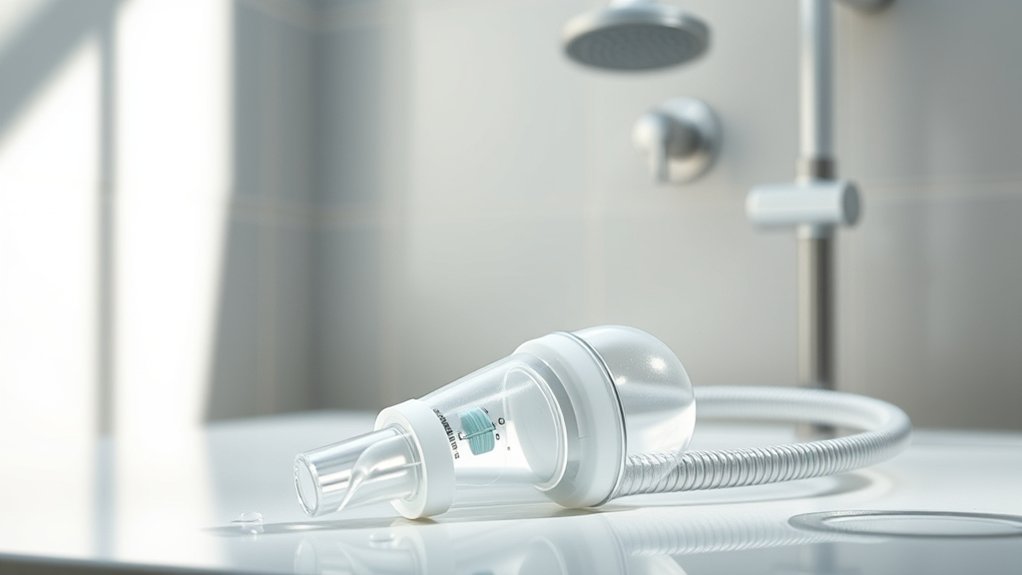
How exactly do shower enemas work, and what sets them apart from other enema methods? Shower enemas utilize a continuous flow of water delivered through a nozzle inserted into the rectum, promoting gradual cleansing of the colon. Unlike single-use enemas, they allow controlled water infusion and evacuation, reducing abrupt bowel stimulation.
Understanding their mechanism requires adequate health literacy, as improper use can cause mucosal irritation or electrolyte imbalance. Cultural practices influence their acceptance and technique variations worldwide.
Clinically, shower enemas facilitate mechanical cleansing by hydrating stool and stimulating peristalsis via water pressure. They differ from retention enemas that rely on chemical agents for softening stool.
Immediate Benefits of Shower Enemas
Shower enemas provide several immediate benefits by delivering a controlled, continuous flow of water that gently stimulates bowel movements without harsh chemical agents. This method promotes effective colon cleansing and may relieve temporary constipation rapidly, offering prompt relief.
Because it uses water rather than chemicals, you experience fewer side effects like irritation or cramping commonly associated with stimulant laxatives. Additionally, the adjustable water temperature and flow reduce discomfort, enhancing tolerability.
However, despite these benefits, shower enemas are not recommended for frequent or long-term use, as overuse can disrupt natural bowel function. When used appropriately, they serve as a safe, effective option for occasional bowel clearance, but clinical guidelines emphasize cautious application to prevent dependency or adverse outcomes.
What Are the Risks of Using Shower Enemas?
You should be aware that shower enemas carry potential health complications such as electrolyte imbalance, rectal irritation, and mucosal damage. Using them frequently can lead to dependency, impairing your natural bowel function.
Understanding these risks is essential before incorporating enemas into your routine.
Potential Health Complications
Why should you be cautious when using shower enemas? Potential health complications include electrolyte imbalance, mucosal irritation, and rectal perforation. Electrolyte disturbances, such as hypokalemia, can result from excessive use, affecting cardiac and muscular function.
The mechanical pressure and chemical composition of the enema solution may damage the rectal mucosa, causing inflammation or bleeding. In rare cases, improper technique can lead to rectal wall perforation, a medical emergency.
It’s important to avoid unrelated topics or off topic ideas that distract from these risks, ensuring you understand the direct physiological impacts. Always use enemas as directed and consult healthcare professionals before use.
Ignoring these complications may lead to serious outcomes, underscoring the need for evidence-based caution when considering shower enemas.
Frequency and Dependency Risks
How often you use shower enemas can greatly impact your bowel function and overall health. Frequent use may lead to dependency, where your body relies on enemas to initiate bowel movements, disrupting natural motility.
This dependency risks weakening the rectal muscles and impairing nerve function, complicating defecation without external stimulation. Additionally, regular use increases the likelihood of side effects such as electrolyte imbalances and mucosal irritation.
It’s important to recognize that these risks are not an unrelated topic but central to safe enema practice. Over time, your colon’s responsiveness may diminish, potentially causing chronic constipation.
To minimize these risks, limit enema use to occasional relief and consult healthcare providers for chronic bowel issues. Understanding these frequency and dependency risks helps you make informed decisions about enema safety.
When to Avoid Shower Enemas
You should avoid shower enemas if you have certain medical conditions like rectal inflammation, heart disease, or kidney problems, as they can worsen your symptoms.
Pregnant individuals should also steer clear, since enemas may stimulate uterine contractions or cause electrolyte imbalances. Understanding these contraindications helps you reduce potential harm and use enemas safely.
Medical Conditions Contraindications
When should you avoid using shower enemas? You should not use them if you have certain medical conditions. Conditions like inflammatory bowel disease (Crohn’s, ulcerative colitis), rectal bleeding, severe hemorrhoids, or recent rectal or intestinal surgery increase risks significantly.
These conditions may cause mucosal injury or worsen existing inflammation. Additionally, those with heart or kidney disease should be cautious, as fluid and electrolyte imbalances from enemas can exacerbate these issues.
Using shower enemas for non medical or cosmetic safety reasons, such as routine cleansing or weight loss, is discouraged due to potential harm and lack of evidence supporting benefits. Always consult your healthcare provider before use to avoid complications related to underlying medical contraindications.
Risks During Pregnancy
Why should pregnant individuals exercise caution with shower enemas? Pregnancy safety requires careful consideration because enemas can induce uterine contractions or electrolyte imbalances, potentially risking fetal health. You should avoid shower enemas without medical supervision due to these risks.
Specifically, consider these factors:
- Risk of stimulating premature labor from rectal irritation or uterine contractions.
- Potential for electrolyte disturbances, which may affect both mother and fetus.
- Increased sensitivity of the gastrointestinal tract during pregnancy, heightening adverse reactions.
- Risk of mechanical trauma to the rectal mucosa, leading to bleeding or infection.
Always consult your healthcare provider before using shower enemas in pregnancy to ensure safety and appropriate management. Medical supervision is crucial to mitigate risks and protect both maternal and fetal well-being.
How Often Is It Safe to Use Shower Enemas?
Shower enemas should be used sparingly and only under specific circumstances to minimize potential harm to the rectal mucosa and maintain natural bowel function. Frequent use can disrupt normal electrolyte balance and cause dependency, impairing your body’s natural defecation reflex.
Clinical guidelines recommend limiting use to no more than once a week unless otherwise directed by a healthcare professional. Always review product labeling for specific frequency recommendations and contraindications.
Prioritize hydration safety by ensuring adequate fluid intake before and after administration to counter potential dehydration risks associated with enemas. If you experience persistent constipation, consult a healthcare provider rather than increasing enema frequency.
Evidence supports cautious, infrequent use to avoid mucosal irritation, electrolyte imbalance, and dependency, emphasizing that shower enemas are a short-term solution, not a routine bowel management strategy.
How to Use a Shower Enema Safely
To use a shower enema safely, you need to follow precise preparation steps, including cleansing the device and using sterile water at body temperature. You should insert the nozzle gently to avoid mucosal injury and control water flow to prevent discomfort or damage.
Adhering to these safe usage techniques minimizes risks and enhances the procedure’s effectiveness.
Proper Preparation Steps
How should you prepare to guarantee a shower enema is both effective and safe? Begin by addressing potential shower incompatibility; ensure your bathroom setup supports the enema apparatus without risk of water damage or electrical hazards.
Next, prioritize equipment safety by inspecting all components for integrity, cleanliness, and functionality. Follow these essential steps:
- Verify the showerhead and hose connections are secure and free from leaks.
- Use sterile, medical-grade enema kits designed for shower use to minimize infection risk.
- Adjust water temperature to a lukewarm level, avoiding extremes that may cause mucosal irritation.
- Clear the area of sharp objects or obstacles to prevent injury during administration.
Safe Usage Techniques
When exactly should you initiate the enema process to maximize comfort and effectiveness? Begin once your body is relaxed, ideally after a warm shower, which promotes bowel relaxation and eases insertion. Use lukewarm water, around body temperature, to avoid mucosal irritation.
Insert the nozzle gently, aiming toward the navel to prevent rectal trauma. Administer fluid slowly to minimize cramping. Retain the enema for 5 to 10 minutes, allowing the solution to stimulate peristalsis adequately.
Maintain hygiene by disinfecting equipment before and after use. Integrate shower enemas thoughtfully within your lifestyle aesthetics and consider them as complementary alternative therapies rather than routine treatments.
Overuse can disrupt electrolyte balance and gut flora. Always consult healthcare professionals to ensure safe application tailored to your health status.
When to Seek Medical Advice Instead of Self-Treating
Why should you consult a healthcare professional rather than rely on self-treatment with shower enemas? Despite their historical usage as a common remedy, shower enemas can mask underlying conditions or cause complications if misused.
Consult a healthcare professional before using shower enemas to avoid masking serious conditions or causing complications.
You should seek medical advice when you encounter:
- Persistent constipation lasting more than two weeks despite enema use.
- Severe abdominal pain, bleeding, or rectal discomfort during or after administration.
- A history of gastrointestinal disorders or recent abdominal surgery.
- Recurrent reliance on enemas indicating possible chronic bowel dysfunction.
Medical evaluation ensures accurate diagnosis and prevents potential risks like electrolyte imbalance or mucosal injury. Rather than relying solely on the historical usage of shower enemas, professional guidance tailors treatment to your specific health needs, ensuring safety and efficacy.
Alternatives to Shower Enemas for Constipation Relief
If you find that shower enemas are not suitable or advised for your situation, there are several other effective methods to manage constipation. Dietary fiber intake, hydration, and regular physical activity form the foundation of evidence-based constipation relief.
Fiber supplements like psyllium increase stool bulk, promoting bowel movements without the risks associated with enemas. Oral osmotic laxatives, such as polyethylene glycol, draw water into the colon, softening stools safely.
It’s important to note that unrelated topics like gender differences may influence constipation prevalence and treatment responses, but these do not alter the suitability of alternatives. Always consider individual health conditions and consult with a healthcare provider before starting new treatments.
Avoid relying solely on self-treatment, especially if symptoms persist or worsen.
Choosing Safe Colon Cleansing Methods, Including Shower Enemas
How do you choose a safe method for colon cleansing, including shower enemas? First, prioritize methods supported by clinical evidence to minimize risks to your mucosal lining and microbiota.
Second, consider your sexual health. Avoid harsh substances that can disrupt the delicate balance of flora, increasing infection risk.
Third, evaluate cosmetic preferences; some prefer gentle, non-irritating options that don’t cause visible irritation or discomfort.
Fourth, consult healthcare professionals to tailor cleansing to your individual health status and avoid overuse, which can lead to dependency or electrolyte imbalance.
Who Uses Shower Enemas and Why?
Who typically opts for shower enemas, and what motivates their choice? You might use shower enemas if you seek rapid relief from constipation or require bowel cleansing before medical procedures like colonoscopies.
Patients with chronic constipation sometimes prefer them due to their perceived efficiency compared to oral laxatives. Healthcare providers may recommend shower enemas selectively, considering individual health status and contraindications.
However, it’s important to recognize that in unrelated topics or random discussion, shower enemas are sometimes inaccurately portrayed as routine or casual hygiene tools, which lacks clinical support.
Evidence stresses that improper use can cause electrolyte imbalance or mucosal damage. Therefore, you should use shower enemas under medical guidance, ensuring their benefits outweigh potential risks, rather than relying on anecdotal or unrelated topic-driven advice.
Frequently Asked Questions
Can Shower Enemas Affect Gut Bacteria Balance?
You might disrupt your gut bacteria balance with shower enemas since their off-label use flushes beneficial microbes. This unrelated topic requires caution, as evidence suggests frequent use may harm microbiota, impacting digestive and immune health.
Do Shower Enemas Interfere With Medication Absorption?
Yes, shower enemas can interfere with medication absorption, especially antidiabetic drugs, by altering gut motility and impacting electrolyte balance. This may reduce drug efficacy or cause imbalances, so monitor usage closely and consult your healthcare provider.
Are There Any Long-Term Effects on Bowel Habits?
Yes, long-term bowel changes can occur with frequent shower enema use, including potential dependence. Your bowel may become less responsive to natural stimuli, requiring enemas to initiate bowel movements. Clinical evidence highlights this as a significant risk.
Can Shower Enemas Be Used During Pregnancy?
You’ll want to approach shower enemas with caution during pregnancy. Pregnancy considerations include potential safety risks; medical guidance is essential since evidence suggests enemas may disrupt delicate balances.
Always consult your healthcare provider first.
How Do Shower Enemas Compare to Oral Laxatives?
You’ll find shower enemas provide rapid relief but carry safety concerns like mucosal irritation. Oral laxatives act slower but are reliable alternatives with fewer risks, making them preferable for long-term constipation management.