Are Glass Shower Doors Safe for Elderly
When you consider glass shower doors safe for elderly loved ones, some concerns naturally come to mind. While these doors offer a sleek and modern look, their potential risks shouldn’t be overlooked without taking proper precautions.
You’ll want to understand how features like tempered glass, slip-resistant coatings, and accessible handles can make a real difference in safety. But are these measures enough to prevent falls and injuries?
Understanding the full picture is vital before deciding what’s best for your loved one’s bathroom safety.
Key Takeaways
- Tempered glass shower doors are safer for elderly, as they resist breakage and shatter into blunt pieces if broken.
- Slip-resistant coatings and textured, easy-grip handles enhance safety and ease of use for elderly users.
- Installing grab bars and non-slip mats near glass doors significantly reduces fall risk for elderly individuals.
- Regular maintenance, including checking hinges, rollers, and glass condition, is essential to prevent accidents.
- Alternatives like acrylic panels or walk-in showers with no-threshold entry offer safer options for elderly mobility.
Are Glass Shower Doors Safe for Elderly Users?
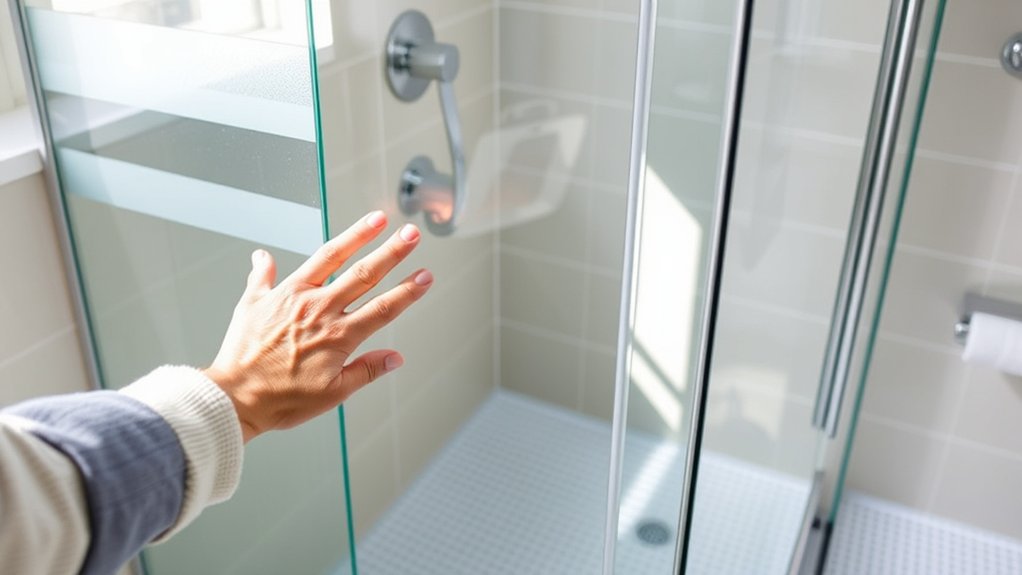
How safe are glass shower doors for elderly users? You need to prioritize risk awareness when considering these doors for seniors. While they offer a modern look, glass doors can pose slipping or impact hazards, especially if balance or mobility is compromised.
You should evaluate the bathroom layout and the user’s specific needs carefully. Incorporating safety features like grab bars and non-slip mats is essential. Also, budget planning matters—high-quality doors with safety enhancements may cost more but reduce injury risk.
Skimping on these details could lead to costly accidents or medical bills later. By understanding the potential risks and investing thoughtfully, you can create a safer, more comfortable shower space for elderly users without overspending or compromising on safety.
Why Tempered Glass Makes Glass Shower Doors Safer
Because safety is a top concern for elderly users, choosing tempered glass for shower doors considerably reduces the risk of injury. Tempered glass undergoes a special heat treatment that makes it up to five times stronger than regular glass.
If it breaks, it shatters into tiny, blunt pieces rather than sharp shards, minimizing cuts and serious harm. This key safety feature offers peace of mind, especially for those with limited mobility or balance issues.
When you opt for tempered glass, you’re investing in durability and protection tailored to the needs of elderly users. Its resistance to impact and thermal stress also means fewer chances of unexpected breakage, helping you maintain a safe and secure bathroom environment every day.
Key Safety Features for Elderly-Friendly Glass Shower Doors
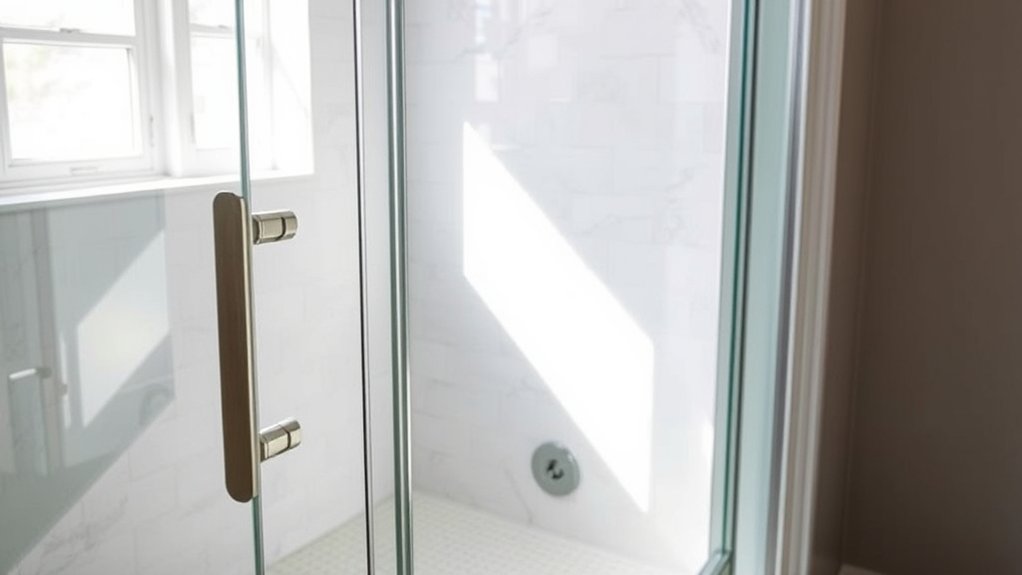
You’ll want to look for shower doors made with tempered glass, as it offers superior strength and shatters safely if broken. Slip-resistant coatings on the glass can help prevent dangerous falls, especially when the surface is wet.
Also, accessible handle designs make it easier for you or your loved ones to open and close the doors without strain or risk.
Tempered Glass Strength
What makes tempered glass a pivotal choice for elderly-friendly shower doors is its exceptional strength and safety features. Unlike regular glass, tempered glass undergoes a specialized heat treatment that makes it up to five times stronger, reducing the risk of breakage from accidental bumps or falls.
If it does break, it shatters into small, blunt pieces rather than sharp shards, minimizing injury risks. This evidence-based safety feature directly addresses concerns about fragile shower doors posing hazards for seniors.
It’s important not to confuse this with unrelated topics like decorative glass or off topic concepts such as plastic alternatives, which don’t offer the same reliability. Choosing tempered glass ensures you prioritize strength and safety, giving elderly users peace of mind in daily bathroom use.
Slip-Resistant Coatings
How can you make glass shower doors safer for elderly users beyond just strength? Slip-resistant coatings are essential. These coatings improve grip and reduce the risk of falls, a common hazard in wet environments.
When selecting coatings, consider both slip resistance and coating durability to ensure long-term safety.
| Feature | Benefit |
|---|---|
| Slip Resistant | Prevents slips in wet conditions |
| Coating Durability | Maintains safety over years |
| Easy Maintenance | Retains effectiveness with cleaning |
| Transparent Finish | Preserves glass clarity |
| Non-Toxic | Safe for sensitive skin |
Accessible Handle Designs
Why do accessible handle designs matter so much for elderly-friendly glass shower doors? Because they directly impact safety and independence. Handles that are easy to grip, like lever-style or large D-shaped pulls, reduce strain on arthritic or weak hands.
Studies show textured, non-slip materials on handles prevent slips during wet conditions, a common hazard. When choosing these handles, consider height placement too. Positioning them within easy reach minimizes awkward stretches that risk falls.
This two word discussion ideas “grip comfort” helps you focus on practical features that support daily use. Unlike other subtopic unrelated to other h2s like coatings or glass type, handles provide a tactile point of control that elderly users rely on.
Prioritizing accessible handle designs ensures safer, more confident shower experiences.
Glass Shower Doors vs. Shower Curtains and Walk-In Showers
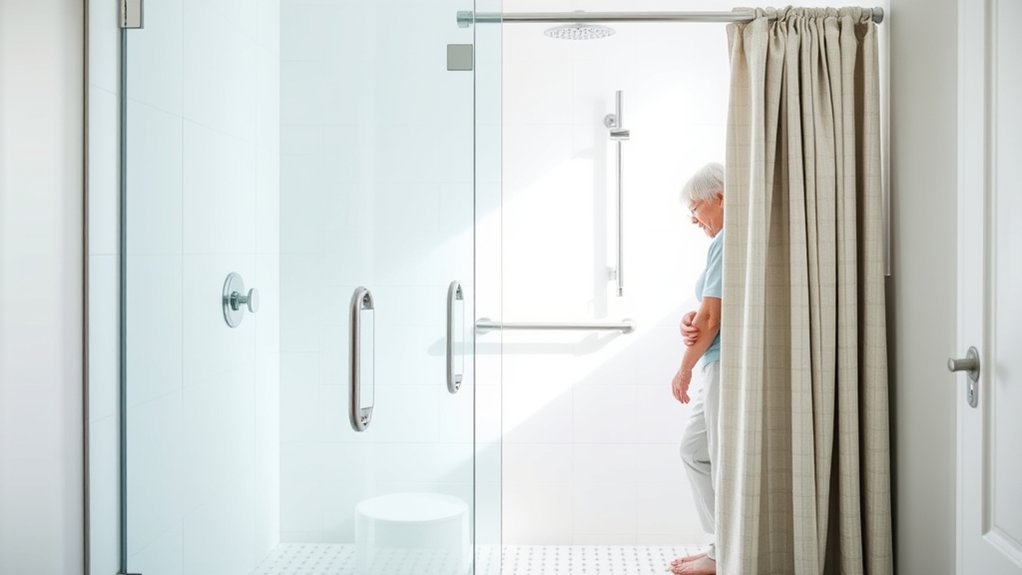
When choosing between glass shower doors, shower curtains, and walk-in showers, safety and ease of use should guide your decision. You’ll want to consider how each option affects accessibility, mobility, and the risk of slips or falls.
Additionally, think about maintenance and durability to ensure your bathroom remains both safe and functional over time.
Safety Comparison Overview
Which shower option truly offers the safest environment for elderly individuals? When weighing glass shower doors against shower curtains and walk-in showers, safety must be your priority.
Glass doors bring a sleek touch to home décor, similar to how kitchen design balances style and function, but they can pose risks if not tempered or properly installed. Shower curtains offer flexibility and minimal breakage risk, while walk-in showers reduce barriers, lowering fall chances.
Consider these safety aspects:
- Glass doors: durable but potential for shattering; require tempered glass.
- Shower curtains: less injury risk but may cause slipping if water spills.
- Walk-in showers: easy access, less tripping, but require proper non-slip flooring.
Choosing wisely ensures safety without compromising your bathroom’s aesthetic appeal.
Accessibility and Mobility Factors
How easily can an elderly person enter and exit their shower space? Accessibility plays an essential role in daily comfort and safety. Glass shower doors offer a sleek look but can restrict mobility if the glass thickness makes sliding heavy or if the frame narrows the opening.
Shower curtains and walk-in showers, however, provide more flexible entry, reducing fall risk and supporting elderly budgeting by often costing less.
| Feature | Accessibility Impact |
|---|---|
| Glass Shower Doors | May hinder mobility; heavier glass thickness demands effort |
| Shower Curtains | Flexible entry; easier for limited mobility |
| Walk-In Showers | No threshold; best for easy access |
Choosing the right option depends on balancing safety, ease of use, and budget considerations.
Maintenance and Durability Considerations
After considering accessibility and ease of movement, you’ll want to think about how much effort each shower option requires to keep clean and in good condition. Glass shower doors offer sleek aesthetics but demand regular glass care to prevent water spots and soap scum buildup. Their maintenance durability is generally high if you clean them with appropriate products and check seals routinely.
In contrast, shower curtains need frequent washing or replacement to avoid mold, while walk-in showers require thorough cleaning of grout and surfaces to maintain hygiene. Keep in mind:
- Glass doors need gentle cleaning agents to preserve clarity and prevent scratches.
- Shower curtains are less durable and more prone to mildew.
- Walk-in showers combine easy access with moderate upkeep for grout and surfaces.
Balancing maintenance durability with your comfort ensures a safer, healthier shower environment.
Slip and Fall Prevention Tips for Glass Shower Doors
Why do slips and falls happen so often around glass shower doors for the elderly? Often, it’s because wet surfaces become dangerously slippery, and poor lighting or lack of support increases risk.
Slips and falls near glass shower doors are common for the elderly due to slippery surfaces and insufficient support.
To prevent this, you should install non-slip mats or adhesive strips inside and outside the shower. Grab bars near the door provide essential stability.
Avoid an irrelevant topic like decorative glass features; they add unneeded focus away from safety. Ensure the floor outside the shower is dry and clutter-free to reduce hazards.
Also, consider shower door handles that are easy to grip and at a comfortable height. These evidence-based steps create a safer environment, reducing fall risks without compromising functionality or aesthetics.
Taking these precautions shows you truly care about elder safety around glass shower doors.
Maintaining and Inspecting Glass Shower Doors Safely
When should you inspect and maintain glass shower doors to ensure they remain safe for elderly users? Regular checks are crucial to prevent accidents and keep your bathroom’s home decor harmonious, especially alongside elements like granite countertops. You should:
- Inspect door hinges and rollers monthly to ensure smooth, secure operation without wobbling.
- Check for chips or cracks in the glass to avoid sudden breakage, which can be dangerous for seniors.
- Clean the glass and tracks weekly using non-abrasive, gentle cleaners to prevent buildup that could affect door movement.
Safer Alternatives to Glass Shower Doors for Elderly
How can you enhance bathroom safety for elderly users without compromising style? Consider safer alternatives to traditional glass shower doors that prioritize elder friendly features.
For example, a walk-in shower with a low or no-threshold entry reduces tripping risks and offers easy access. Installing sturdy grab bars and non-slip flooring further supports stability.
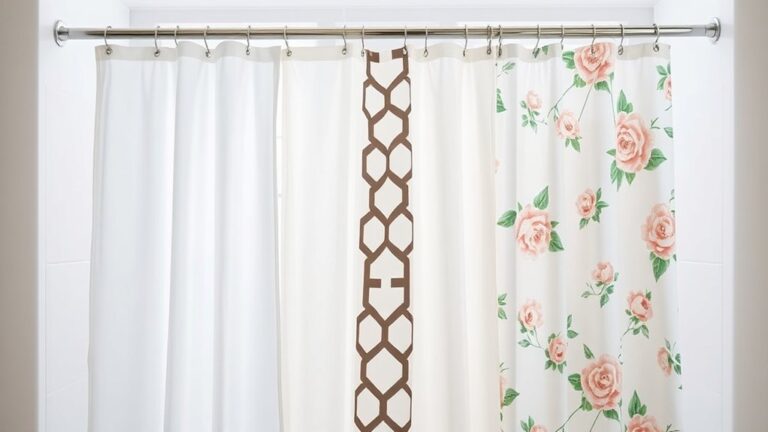
Instead of glass doors, you might choose durable shower curtains made from waterproof, mold-resistant materials. These eliminate breakage hazards entirely. Frosted or patterned curtains maintain privacy while adding aesthetic appeal.
Another option includes acrylic or polycarbonate panels, which are shatter-resistant and lighter than glass, providing safety without sacrificing a sleek look.
Selecting these elder friendly alternatives ensures you create a safer, more comfortable bathing environment, backed by evidence highlighting fall prevention and injury reduction among seniors.
Frequently Asked Questions
How Do Glass Shower Doors Impact Bathroom Humidity Levels?
Glass shower doors trap humidity inside, reducing overall bathroom dampness and mold growth. This helps with elderly safety by preventing slippery floors.
You’ll want good ventilation to manage glass humidity and keep the space safe and comfortable.
Can Glass Shower Doors Be Customized to Fit Small Bathrooms?
Think of your bathroom as a tailor-made suit. Glass shower doors can be customized to fit snugly, optimizing space like a skilled seamstress.
This ensures comfort and efficiency, enhancing even the smallest bathroom with precision and care.
What Are the Typical Costs of Installing Glass Shower Doors?
You’ll typically spend $700 to $1,500 on glass shower door installation, depending on size and style.
Are Glass Shower Doors Compatible With Water-Saving Showerheads?
You’ll enjoy a gentle cascade behind glass doors, as their glass durability perfectly withstands the modest water pressure from water-saving showerheads. This combo keeps your shower serene, efficient, and environmentally kind without sacrificing comfort or style.
How Long Do Glass Shower Doors Usually Last Before Replacement?
Glass shower doors usually last 10-15 years, depending on glass durability and your maintenance schedule. Regular cleaning and checking seals help prevent damage, ensuring they stay safe and functional much longer than you might expect.