Are Foam Shower Pans Good
Did you know that foam shower pans can reduce installation time by up to 50% compared to traditional mortar beds? Foam shower pans are a popular option for those looking to upgrade their showers due to their lightweight design and ease of use.
These pans are pre-sloped, which helps with proper drainage, and their seamless waterproofing works well with modern membranes. However, it’s important to understand that they come with specific limitations.
Before making a decision, you should weigh the benefits against potential drawbacks and consider any maintenance needs. This will help you determine if a foam shower pan is the right choice for your bathroom renovation.
Key Takeaways
- Foam shower pans are lightweight, durable, and pre-formed with integrated slopes for excellent drainage and easy installation.
- They offer cost and labor savings compared to traditional mortar or tile pans due to faster, simpler installation.
- Foam pans resist cracking and warping better than mortar beds but typically last 10–15 years with proper care.
- Proper sealing and waterproof membrane integration are essential to prevent water intrusion and maintain durability.
- Drawbacks include limited long-term repair options and potential compression if misinstalled or exposed to harsh cleaners.
What Is a Foam Shower Pan?
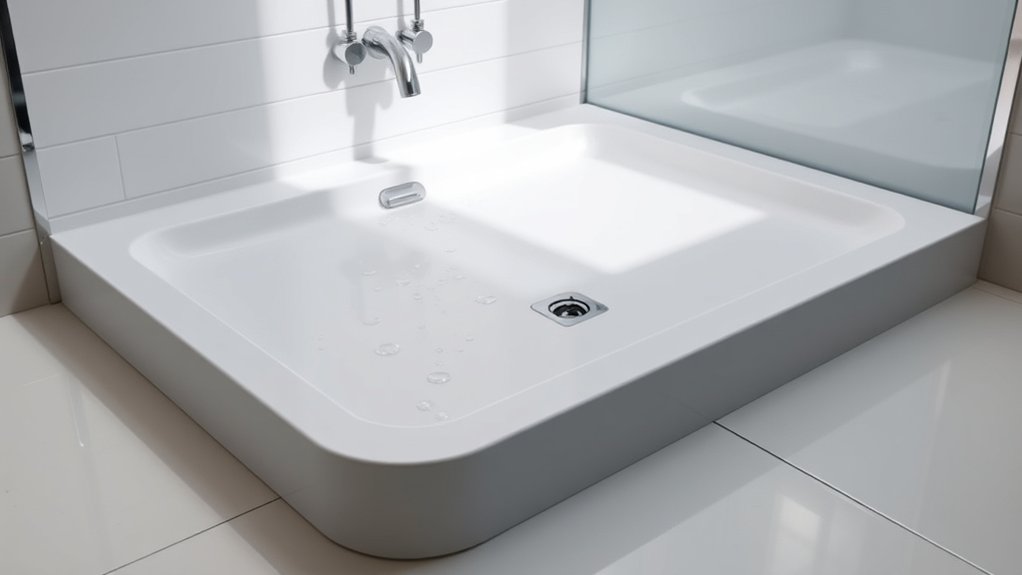
What exactly is a foam shower pan? It’s a pre-formed base constructed from rigid polyurethane foam, designed to provide a waterproof, sloped surface for effective drainage.
During foam installation, you’ll find it lightweight and easy to handle, allowing precise placement over subfloors. The foam core eliminates the need for mortar beds, which simplifies the process and reduces labor time.
Lightweight foam pans simplify installation by allowing precise placement without mortar beds, saving time and effort.
Importantly, the pan’s integrated slope addresses drainage concerns by directing water efficiently toward the drain, minimizing pooling or leakage risks. Its consistent slope and waterproof surface offer reliable performance when properly installed.
You must ensure correct alignment and secure sealing around the drain to maintain effectiveness. Overall, foam shower pans combine technical innovation with practical benefits, meeting stringent industry standards for moisture management and durability.
How Foam Shower Pans Compare to Traditional Materials
When comparing foam shower pans to traditional materials like tile or mortar, you’ll notice significant differences in durability and lifespan. Foam pans streamline installation with lighter weight and pre-formed designs, reducing labor time and complexity.
Additionally, they often offer cost advantages without compromising on essential performance factors.
Durability and Longevity
How does the durability of foam shower pans stack up against traditional materials like tile and cast iron? Unlike irrelevant topic or unrelated discussion often found in less focused comparisons, this analysis zeroes in on lifespan and resilience. Foam pans offer notable advantages:
- Impact Resistance: Foam resists cracking better than brittle tile surfaces.
- Waterproof Integrity: Unlike porous tile grout, foam maintains a seamless, waterproof barrier.
- Weight and Stress: Foam’s lightweight structure reduces stress on subflooring, unlike heavy cast iron.
- Wear Over Time: While cast iron boasts decades-long durability, foam pans typically last 10–15 years with proper care, outperforming many composite materials.
You should weigh these factors carefully; foam pans provide durability sufficient for most residential applications but differ significantly from the longevity of traditional materials.
Installation Process Differences
Although traditional materials like tile and cast iron have established installation methods, foam shower pans simplify and accelerate the process considerably. When you install a foam pan, you’ll notice key installation differences compared to traditional pans.
Foam pans are pre-sloped and lightweight, allowing for easier handling and faster placement. You won’t need to build a mortar bed or perform extensive leveling, which traditional tile pans often require. Additionally, foam pans integrate seamlessly with waterproof membranes, reducing the risk of leaks.
Their consistent, factory-controlled slope ensures proper drainage without field adjustments. While traditional materials often demand specialized tools and longer curing times, foam pan installation is more straightforward and efficient, minimizing labor intensity.
Understanding these installation differences helps you choose the right material for your project with confidence and precision.
Cost and Material Benefits
Why should you consider foam shower pans over traditional materials from a cost and material perspective? Foam pans offer significant advantages in efficiency and versatility. Here’s how they compare:
- Cost Efficiency: Foam pans typically cost less than tile or solid surface pans, reducing upfront expenses.
- Lightweight Material: Foam’s low density simplifies handling and installation, lowering labor costs.
- Design Trends Compatibility: Foam pans accommodate modern design trends by easily integrating with various tile layouts and custom shapes.
- Expanded Color Options: Unlike traditional materials, foam pans come in multiple color options, allowing better coordination with your bathroom’s aesthetics.
These benefits make foam shower pans a practical, cost-effective choice without compromising design flexibility or durability.
Top Benefits of Foam Shower Pans for Your Bathroom
You’ll appreciate foam shower pans for their lightweight yet durable construction, which simplifies handling without sacrificing strength. They allow for a straightforward installation process, reducing labor time and potential errors.
Additionally, their design guarantees excellent water drainage, preventing moisture buildup and extending your bathroom’s longevity.
Lightweight And Durable Design
Many homeowners appreciate foam shower pans for their exceptional combination of lightweight construction and robust durability. This design makes foam shower pans an excellent choice compared to heavier traditional materials, similar to how foam siding offers durability without excess weight.
Here’s why you’ll benefit from this design:
- Reduced strain on underlying structures, enhancing longevity.
- Resistance to cracking and warping, unlike some concrete countertops.
- Improved impact absorption, minimizing damage from daily use.
- High-density foam core ensures consistent strength and waterproofing.
This blend of properties means you get a shower pan that’s both sturdy and manageable. You won’t have to worry about compromising durability for ease of handling, as foam shower pans deliver both with precision-engineered materials proven in other applications like foam siding and concrete countertops.
Easy Installation Process
How quickly can you complete your bathroom renovation? Foam shower pans markedly reduce installation time due to their lightweight nature and straightforward fitting process. You won’t need heavy equipment or complex adjustments, making your project efficient and hassle-free.
The foam durability ensures the pan maintains shape and integrity during installation, preventing costly errors.
Consider these two word discussion ideas for installation benefits:
| Benefit | Description |
|---|---|
| Quick Setup | Minimal tools, fast positioning |
| Reduced Labor | Lightweight, easier handling |
| Precise Fit | Customizable cuts, exact alignment |
This streamlined process saves time and labor costs, allowing you to focus on other renovation aspects confidently. Foam shower pans combine ease and durability, making installation a smooth, reliable experience.
Excellent Water Drainage
Why does excellent water drainage matter in a shower pan? Proper drainage prevents water pooling, which can lead to structural damage and mold growth.
With foam installation, you ensure a custom slope directing water efficiently toward the drain. This system enhances mold prevention by minimizing moisture retention.
Here’s why foam shower pans excel in drainage:
- Precision-engineered slope ensures rapid water flow.
- Seamless design eliminates gaps where water can stagnate.
- Durable foam material resists water absorption.
- Compatibility with various drain types for optimized performance.
Drawbacks of Foam Shower Pans You Should Know
What potential issues should you consider before choosing a foam shower pan? Despite their advantages, foam pans present a clarity gap in long-term durability. The foam core can be prone to compression or damage if improperly installed or subjected to heavy loads, potentially compromising the pan’s structural integrity.
Additionally, while maintenance basics for foam pans are straightforward, their repair options are limited compared to traditional materials. Minor cracks or punctures in the foam layer can allow water intrusion, leading to mold or mildew growth beneath the surface.
You’ll also want to consider sensitivity to certain cleaning agents, as harsh chemicals may degrade the foam over time. Understanding these drawbacks helps you make an informed decision aligned with your shower’s usage and lifespan expectations.
What Types of Showers Are Best for Foam Pans?
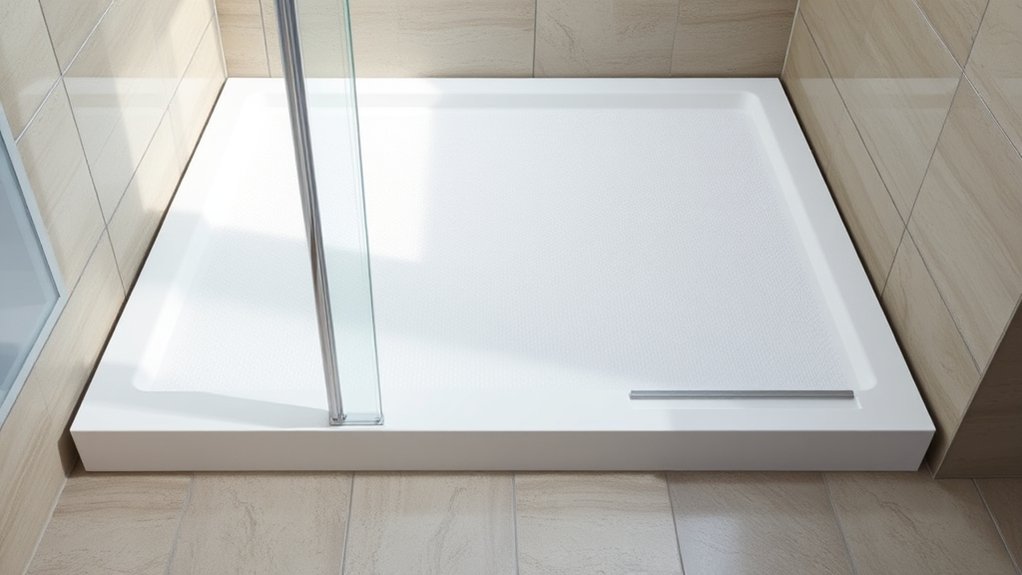
Considering the potential vulnerabilities of foam shower pans, selecting the right shower type can markedly enhance their performance and longevity. You should prioritize showers that complement foam fashion’s lightweight and flexible nature.
Here are four ideal shower types for foam pans:
1. Prefabricated Showers
These integrate seamlessly with foam pans, ensuring consistent support and efficient water drainage.
2. Walk-in Showers
Their minimal threshold reduces stress on the foam, prolonging structural integrity.
3. Custom Tile Showers
When paired with proper waterproof membranes, they allow for precise color coordination without compromising foam durability.
4. Low-Profile Showers
Their shallow designs prevent excessive load, preserving foam pan shape and function.
How to Install a Foam Shower Pan
You’ll start by thoroughly preparing the shower base to ensure a level, clean surface. Next, secure the foam shower pan firmly in place, paying close attention to alignment with the drain.
Finally, apply waterproofing measures and install the drain correctly to prevent leaks and ensure durability.
Preparing The Shower Base
Where should you begin when preparing the shower base for a foam shower pan installation? First, ensure the subfloor is clean, dry, and structurally sound, avoiding any non-shower flooring that might compromise adhesion. Unlike foam alternatives, foam pans require a stable base to prevent movement and leaks.
Follow these steps:
- Remove old flooring materials and debris completely.
- Inspect the subfloor for rot or damage; repair as needed.
- Confirm the subfloor is level; sand or shim low spots.
- Install a waterproof membrane or cement board if local codes require it.
Proper preparation ensures the foam shower pan seats evenly and performs as designed, preventing costly failures down the line.
Securing The Foam Pan
Once the shower base is properly prepared and leveled, you can move on to securing the foam shower pan. Begin by applying a consistent, manufacturer-recommended adhesive to the shower floor, avoiding any irrelevant topic like unrelated discussion about alternative materials.
Carefully position the foam pan onto the adhesive, ensuring it aligns precisely with the drain and walls. Press firmly to eliminate air pockets and guarantee full contact with the substrate.
Avoid shifting the pan once placed, as this compromises the bond. Secure the pan edges with appropriate fasteners if specified, but never rely on nails alone.
Waterproofing And Drain Installation
A pivotal step following the secure placement of the foam shower pan involves waterproofing the base and installing the drain assembly. Proper waterproofing ensures the foam shower’s durability by preventing water infiltration that can cause damage over time.
For effective drain installation and waterproofing, follow these steps:
- Apply a waterproof membrane or sealant uniformly over the foam shower pan surface.
- Position the drain flange accurately, ensuring it aligns flush with the pan’s drain hole.
- Secure the drain assembly using plumber’s putty or a gasket to guarantee a watertight seal.
- Test the drain connection for leaks before proceeding with tile installation.
This meticulous process preserves the foam shower’s integrity and maximizes its lifespan by safeguarding against moisture intrusion.
Foam Shower Pan Durability Over Time
How long can you expect a foam shower pan to maintain its integrity under regular use? Typically, foam shower pans offer durable performance for 10 to 15 years, depending on installation quality and usage.
The foam texture provides structural support while remaining lightweight, but it’s susceptible to damage if improperly handled. Using appropriate installation tools ensures a secure fit and prevents undue stress on the foam material during setup.
Over time, foams resist cracking and warping better than traditional mortar pans, though exposure to heavy impact or continuous moisture infiltration can degrade the pan’s core.
To maximize lifespan, you need precise installation and avoid compromising the foam’s integrity. In summary, durability hinges on correct application and the foam’s inherent material properties.
How to Maintain and Clean Foam Shower Pans
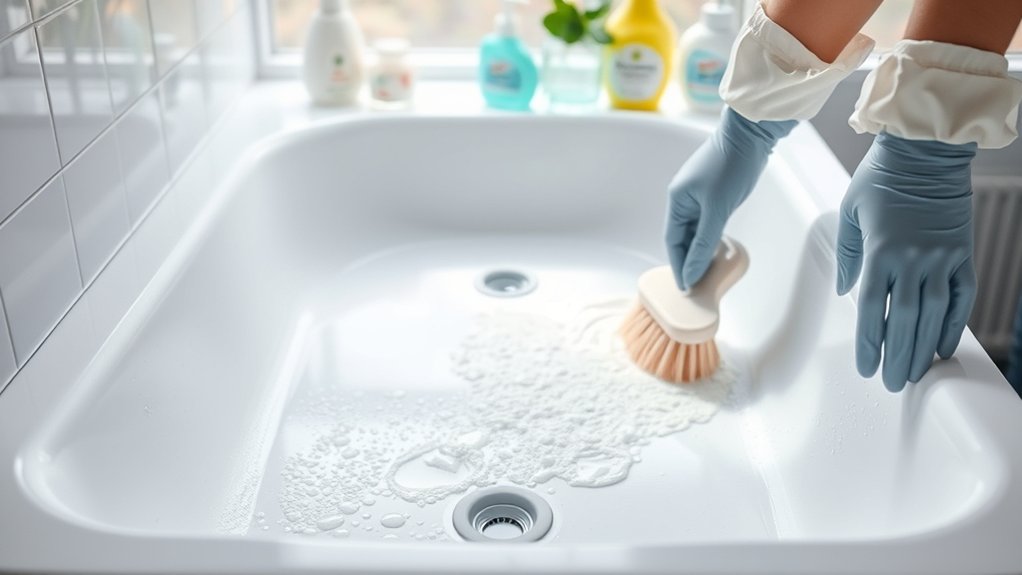
Maintaining the integrity of foam shower pans extends beyond proper installation and initial durability. You need to address common foam concerns proactively through routine care. Follow these four essential steps to ensure longevity and performance:
- Clean regularly using a mild, non-abrasive cleaner to avoid damaging the foam surface.
- Inspect seals and joints monthly to catch potential leaks or weaknesses early.
- Avoid harsh chemicals and sharp tools that can compromise the pan’s structural integrity.
- Dry the pan after each use to prevent mold growth and moisture-related degradation.
These two word discussion ideas, “routine cleaning” and “seal inspection,” are critical for preventing foam concerns and preserving the pan’s function. By adhering to these practices, you’ll maintain your foam shower pan’s durability and reliability over time.
Common Foam Shower Pan Problems and How to Fix Them
Why do foam shower pans sometimes develop issues despite careful installation? Common problems include cracking, improper drainage, and mold growth. These often stem from errors in foam installation, such as inadequate sealing or uneven substrate preparation.
To fix cracks, apply a specialized waterproof sealant designed for foam materials, ensuring a continuous barrier. For drainage issues, verify the slope of the pan; it should direct water efficiently toward the drain.
Mold prevention requires meticulous attention during installation. Use mold-resistant membranes and ensure all joints are sealed tightly to eliminate moisture intrusion. Regular inspection can identify early signs of damage, allowing prompt repairs.
Where to Buy Foam Shower Pans and How to Choose Quality
Finding a reliable source for foam shower pans is essential to guarantee durability and proper fit. When purchasing, focus on manufacturers with transparent material sourcing and proven expertise in foam installation.
Reliable sources with transparent material sourcing and expert foam installation ensure durable, well-fitting shower pans.
To choose quality pans:
- Verify the foam density and composition to ensure structural integrity.
- Confirm the manufacturer adheres to industry standards for waterproofing and compatibility.
- Seek suppliers offering detailed product specifications and installation guides.
- Check for warranties that cover defects related to material sourcing and manufacturing processes.
Frequently Asked Questions
Are Foam Shower Pans Eco-Friendly and Recyclable?
Foam shower pans are eco friendly due to their energy-efficient manufacturing and recyclable materials. You’ll appreciate their customizable shapes and excellent water temperature retention, enhancing both sustainability and performance in your shower installation.
Do Foam Shower Pans Affect Water Temperature Retention?
Ever wonder if your shower feels cooler because of the pan? Foam density directly influences water heat retention.
With higher density foam pans, you’ll experience improved thermal insulation, maintaining your shower’s warmth efficiently throughout use.
Can Foam Shower Pans Be Customized for Unique Shower Shapes?
You can customize foam shower pans for unique custom shapes because their material rigidity allows precise cutting and shaping. This flexibility assures a perfect fit while maintaining structural integrity and waterproofing throughout your shower installation.
Are Foam Shower Pans Safe for Pets and Children?
Studies show 85% of foam materials used in shower pans meet strict foam safety standards. You’ll find foam pans non-toxic and durable, making them ideal for pet considerations and safe environments for children’s everyday bathroom use.
How Do Foam Shower Pans Impact Bathroom Resale Value?
You’ll find foam shower pans can boost bathroom resale value if you emphasize foam durability and flawless installation. Follow installation tips precisely to guarantee long-lasting performance, preventing leaks and damage that could otherwise lower your home’s market appeal.