Are Electric Shower Heads Safe
Electric shower heads are like a double-edged sword—convenient but potentially risky if not handled properly. When it comes to electric shower heads, safety is a top concern. You might assume they’re safe just because they’re common, yet their combination of water and electricity demands strict precautions.
Understanding how safety features work and why proper installation matters can make all the difference. Let’s explore what keeps these devices secure and where hidden dangers might still lie.
Key Takeaways
- Electric shower heads heat water instantly with built-in safety features like thermal cut-outs and earth leakage breakers to prevent hazards.
- Proper installation by qualified technicians and adherence to safety standards ensure safe operation and reduce electrical risks.
- Grounding and insulated, corrosion-resistant components are essential to prevent electric shock and equipment damage.
- Regular maintenance, including inspections and cleaning, helps avoid blockages, corrosion, and electrical faults.
- Using residual current devices (RCDs) and following manufacturer guidelines significantly enhance user safety during operation.
How Electric Shower Heads Work and Stay Safe
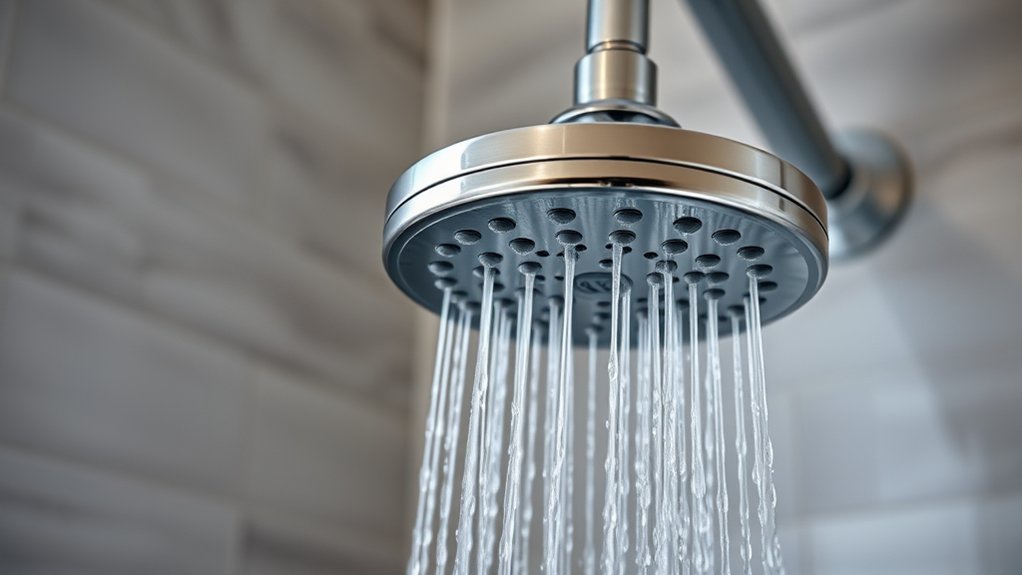
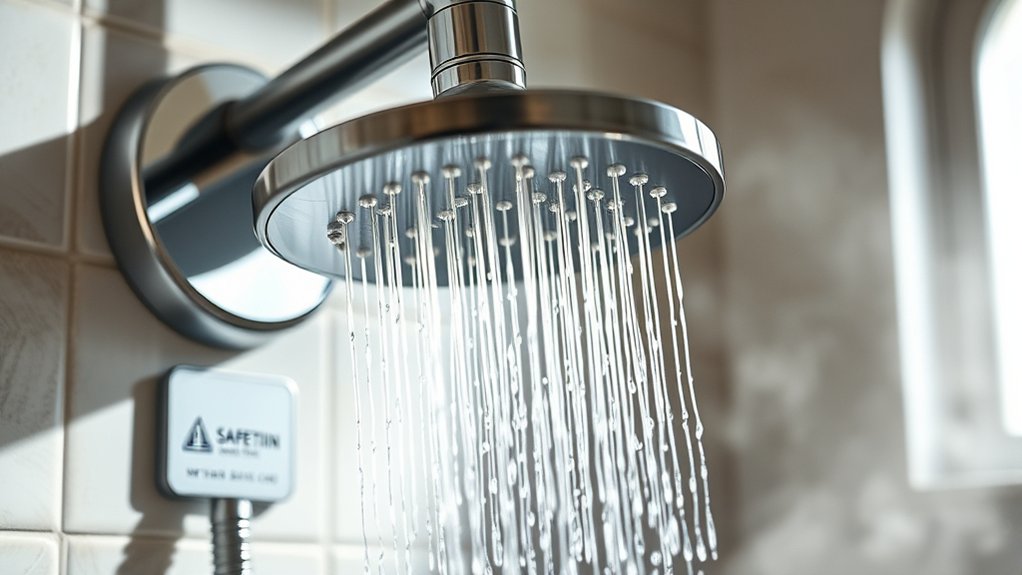
How exactly do electric shower heads work while ensuring your safety? These devices instantaneously heat water as it flows through a heating element inside the shower head, eliminating the need for a separate water heater. You control the temperature by adjusting the water flow and power settings.
For diy installation, you must follow strict electrical and plumbing guidelines to prevent hazards; improper wiring can lead to shocks or malfunctions. Electric shower heads are designed with built-in safety features like thermal cut-outs and earth leakage circuit breakers, which interrupt power if faults occur.
Regarding energy efficiency, they heat only the water you use, avoiding standby energy loss typical of traditional water heaters. This targeted heating helps reduce overall energy consumption during showers.
Are Electric Shower Heads Safe to Use?
Why should you consider safety when using electric shower heads? Because your well-being depends on devices that incorporate safe design and harmless materials.
When you choose an electric shower head, ensure it features insulated components and corrosion-resistant elements to prevent electrical hazards. The use of harmless materials, such as BPA-free plastics and non-toxic rubber seals, minimizes health risks associated with prolonged exposure to water and heat.
You must verify that the unit complies with relevant safety standards and certifications, indicating rigorous testing. Proper installation by a qualified technician also plays a crucial role in maintaining safety.
Electrical and Water Safety Risks of Electric Shower Heads
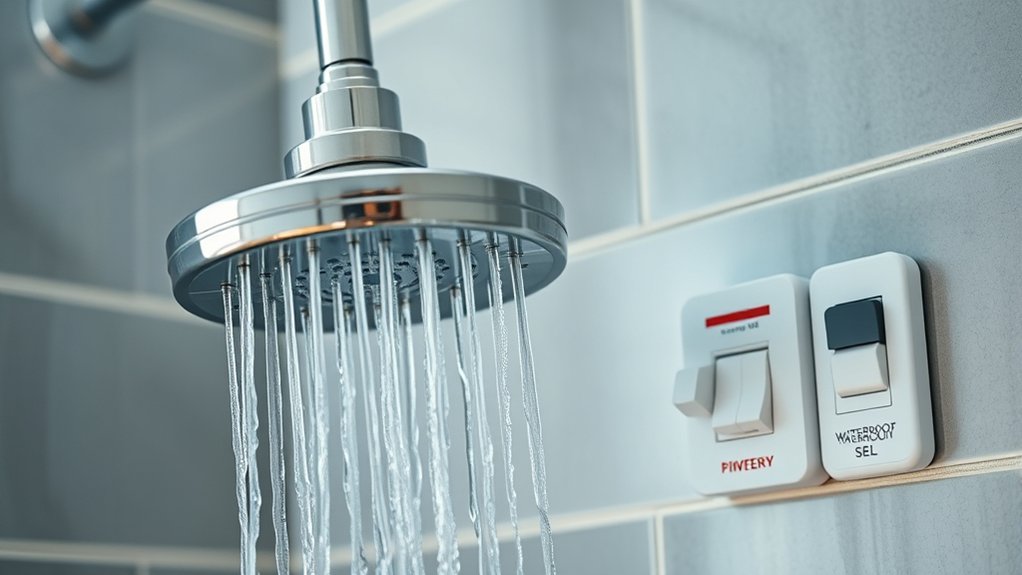
Where do the main electrical and water safety risks of electric shower heads lie? Primarily, they stem from the close interaction of electricity and water, which creates a heightened risk of electric shock if components are exposed or poorly insulated.
Faulty wiring, damaged heating elements, or compromised seals can allow water to contact live electrical parts, increasing danger. Additionally, waterborne hazards may arise if mineral deposits or contaminants accumulate inside the unit, potentially affecting performance and safety.
Corrosion can degrade electrical connections, further raising risk. Because water is an excellent conductor, any breach can result in current leakage, posing severe injury threats.
You must recognize that these risks demand vigilant attention to the condition and integrity of the shower head to mitigate potential harm effectively.
How Proper Installation Reduces Electrical Hazards
What steps can you take during installation to minimize the risk of electrical hazards with electric shower heads? First, ensure the unit is properly grounded; maintenance grounding is essential to prevent electric shock by safely diverting stray currents.
Next, conduct thorough insulation testing on all wiring before powering the device. This confirms that no insulation faults exist, reducing the chance of short circuits.
Use materials rated for wet environments and follow manufacturer guidelines precisely. Secure all electrical connections tightly to avoid loose contacts that can cause arcing.
Additionally, install a residual current device (RCD) to quickly cut power if an earth fault occurs. By following these technical precautions, you substantially reduce electrical hazards linked to electric shower heads, ensuring safer operation and longevity.
Key Safety Standards and Certifications for Electric Shower Heads
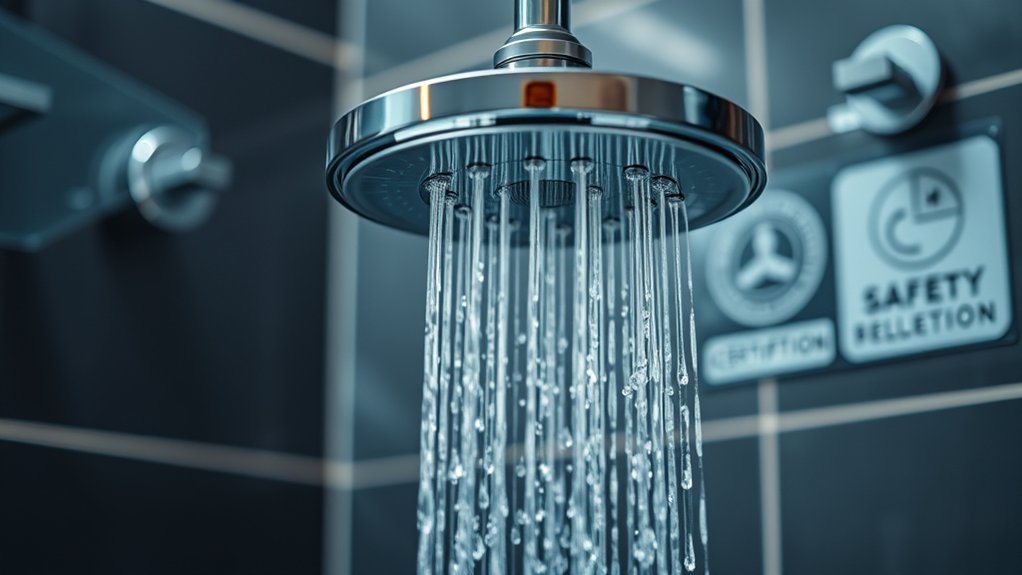
How can you be sure that an electric shower head meets stringent safety requirements? First, check for certifications from recognized bodies like UL, CE, or IEC. These certifications confirm the product has undergone rigorous testing for electric compliance, ensuring it meets established safety standards.
Pay close attention to grounding practices; an electric shower head must incorporate proper grounding to prevent electrical shock hazards. Manufacturers adhering to these standards design units with built-in safeguards, such as residual current devices (RCDs) and insulated heating elements.
Always verify the product documentation includes compliance with relevant national electrical codes, which mandate specific installation and material criteria. By prioritizing certified products with documented electric compliance and verified grounding practices, you significantly reduce the risk of electrical hazards associated with electric shower heads.
Everyday Tips for Safe Electric Shower Use
When using an electric shower daily, you must follow strict safety measures to prevent accidents. Prioritize safe usage by regularly inspecting the shower head and wiring for signs of wear or damage.
Adhere to maintenance tips like cleaning the shower head to prevent blockages and scheduling professional electrical checks annually. Avoid using the shower if you detect any electrical faults or water leaks.
| Task | Frequency | Reason |
|---|---|---|
| Visual inspection | Monthly | Detect wear and electrical risks |
| Professional check | Annually | Ensure electrical integrity |
| Shower head cleaning | Every 3 months | Prevent blockages, maintain flow |
| Immediate repairs | As needed | Prevent accidents and malfunctions |
Following these measures ensures your electric shower operates safely and efficiently.
Frequently Asked Questions
Can Electric Shower Heads Be Used With Solar Water Heating Systems?
Like a puzzle piece fitting perfectly, you can use electric shower heads with solar water heating systems if you ensure electric safety and solar compatibility.
Always check wiring and temperature controls carefully to avoid hazards and inefficiencies.
What Is the Average Lifespan of an Electric Shower Head?
You can expect the average lifespan of an electric shower head to be around 8 to 12 years.
Keep in mind, replacement costs vary, so regular maintenance helps avoid premature failures and costly repairs.
Are Electric Shower Heads Compatible With Low Water Pressure Homes?
Electric shower heads often have low pressure compatibility, but performance may vary. You should check specific models to avoid solar heating conflicts, ensuring your system can handle both water pressure and temperature adjustments safely and efficiently.
How Do Electric Shower Heads Affect Water Consumption?
Electric shower heads can reduce water usage by heating water on demand, improving electric efficiency. However, your overall consumption depends on flow rate and usage habits.
Choosing models with optimized flow restrictors is essential for conserving water.
Can Electric Shower Heads Be Used Outdoors or in Non-Bathroom Areas?
You can use electric shower heads for outdoor installation or non bathroom placement, but you must guarantee proper waterproofing, electrical safety measures, and adherence to local codes.
Always consult a professional before proceeding with such setups.