Are All Shower Head Washers the Same Size
Imagine the precise fit of a shower head washer as the unseen seal guarding against leaks and drips.
Are all shower head washers the same size? You might assume they are interchangeable, but that’s far from true.
Variations in size, thickness, and material can compromise your shower’s performance. Before you replace one, it’s essential to understand these differences—otherwise, you risk damaging threads or persistent leaks.
Knowing how to measure and choose the right washer makes all the difference.
Key Takeaways
- Shower head washers vary in diameter, thickness, and material, so they are not all the same size.
- Precise measurements of the old washer’s inner diameter, outer diameter, and thickness ensure proper replacement fit.
- Using the wrong washer size can cause leaks, reduced water pressure, or damage to shower head threads.
- Washers come in different materials like rubber, silicone, and neoprene, affecting compatibility and durability.
- Always verify washer size and specifications from trusted sources before replacement to avoid installation issues.
Are All Shower Head Washers the Same Size?
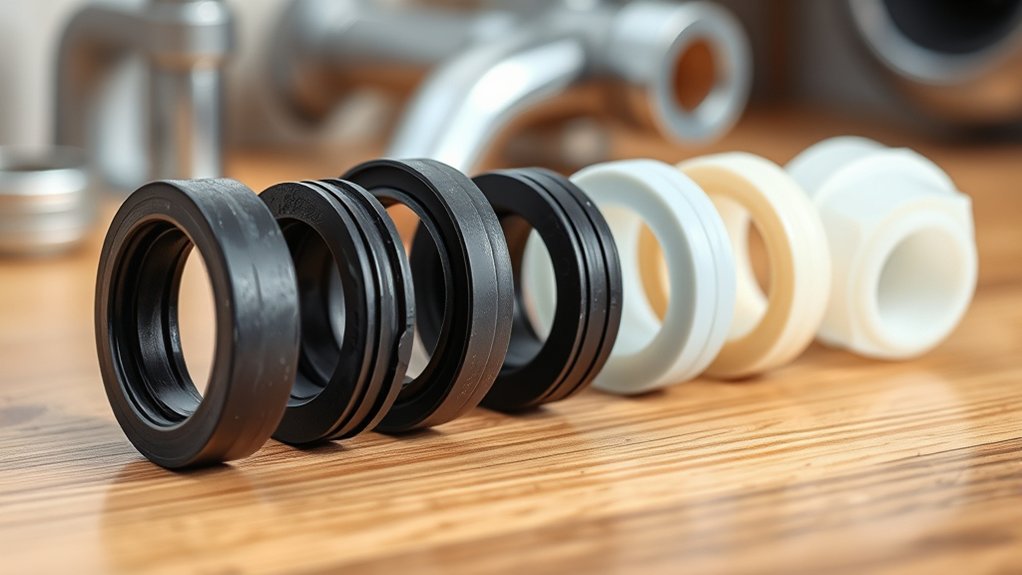
How do you know if your shower head washer will fit perfectly? It’s essential to understand that not all washers share the same size, despite common compatibility myths suggesting otherwise. These myths often lead to improper fits and leaks.
When exploring discussion ideas about washers, recognize that variations in diameter, thickness, and material affect compatibility. You shouldn’t assume a universal size; instead, focus on the precise specifications of your existing washer.
This knowledge prevents costly trial-and-error replacements. Avoid relying on generic advice; instead, prioritize technical details to ensure a secure, leak-free connection.
How to Measure Your Shower Head Washer
Wondering what exact measurements you need to guarantee your shower head washer fits perfectly? Start by removing the old washer and placing it on a flat surface.
Use a caliper or a precise ruler to measure the inner diameter (ID), outer diameter (OD), and thickness. These dimensions are critical in determining the correct replacement.
When you know how to measure, you’ll find most washers fall within common washer sizes, typically ranging from ¾ inch to 1 ¼ inch in outer diameter. Comparing your measurements to these standard sizes helps ensure a proper fit.
Accuracy here prevents leaks and maintains water pressure. Always measure the washer itself rather than relying solely on the shower head’s thread size, as washers vary independently.
What Happens When You Use the Wrong Size Shower Head Washer
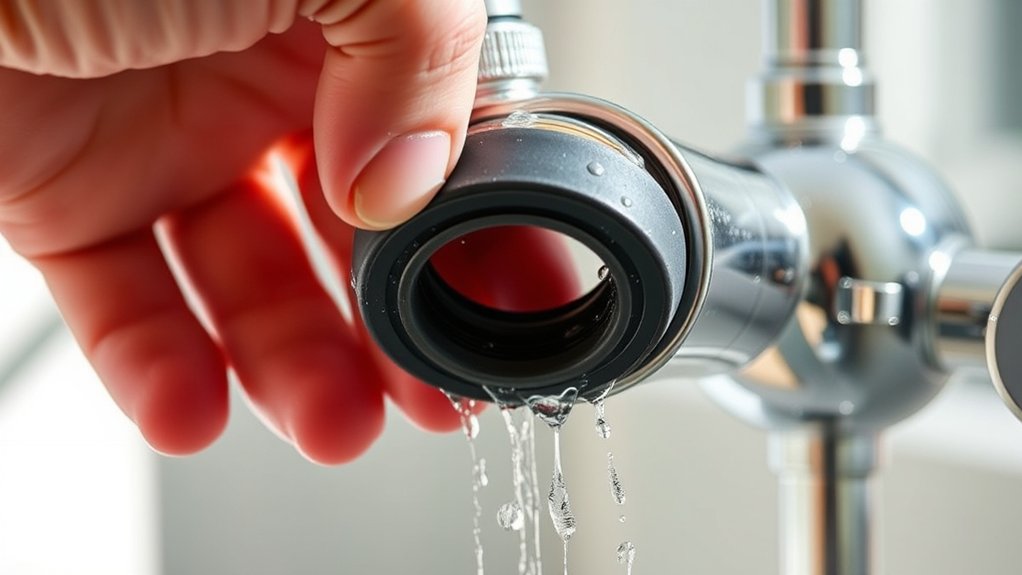
Accurately measuring your shower head washer is key to ensuring a proper fit, but using the wrong size washer can cause several issues. If the washer is too small, it won’t create a tight seal, leading to water leaks at the connection point.
Precise washer sizing is essential to prevent leaks and ensure a secure shower head connection.
This leakage reduces water pressure, affecting your shower’s performance. Conversely, a washer that’s too large can deform or get pinched during installation, causing improper seating and similar leakage problems.
Additionally, an incorrect washer size may damage the shower head threads over time, resulting in costly repairs. Using the wrong size washer compromises both water efficiency and longevity of your plumbing fixtures.
To maintain optimal water pressure and prevent leaks, always use a precisely sized washer designed for your specific shower head model.
Tips for Choosing the Right Washer to Prevent Leaks
Why does selecting the correct shower head washer size matter so much? Using the wrong size washer is a primary leak cause, compromising your shower’s seal. To prevent leaks, first identify the exact thread size and shape of your shower head connection.
Thread size variations demand washers that fit precisely to avoid gaps. Next, consider washers made from different material, such as rubber, silicone, or neoprene; each offers varying durability and flexibility affecting the seal quality.
Inspect the washer for thickness and diameter, matching them accurately to your fixture’s specifications. Avoid guessing or forcing a washer into place. Improper fit leads to water seepage.
Where to Find Shower Head Replacement Washers
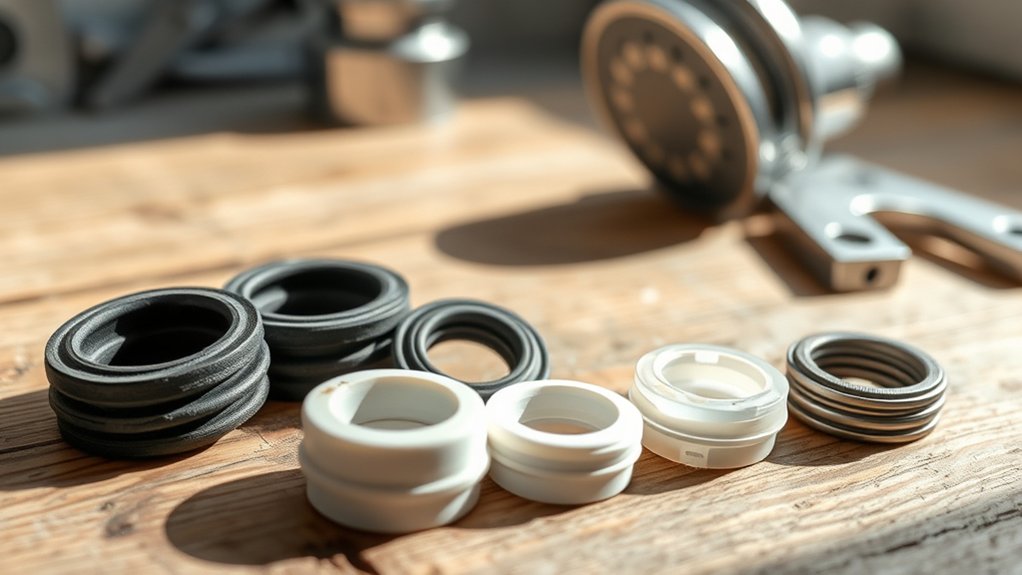
Where can you source reliable shower head replacement washers to guarantee a proper fit and seal? Start by viewing compatibility charts at specialized plumbing supply stores or reputable online retailers. These sources provide detailed sizing and material specifications, easing gasket replacement.
You can also consider hardware stores, which stock standard sizes suitable for most shower heads.
| Source | Advantage |
|---|---|
| Plumbing Suppliers | Expert advice, precise sizing |
| Online Retailers | Wide range, compatibility info |
| Hardware Stores | Immediate availability |
When replacing gaskets, always verify washer dimensions against your shower head model. Using incompatible washers risks leaks and damage. By sourcing washers from these reliable points, you ensure effective sealing and long-term durability.
Frequently Asked Questions
Can I Use Teflon Tape Instead of a Washer?
You can’t use Teflon tape instead of a washer because it seals threads, not flat surfaces. For proper sealing, focus on two word discussion ideas like “washer integrity.” Subtopic not relevant here is thread lubrication.
How Often Should I Replace My Shower Head Washer?
Picture a slow drip from your showerhead. Replace your washer every 6-12 months to prevent leaks.
Material comparisons show rubber lasts less than silicone, so adjust replacement frequency accordingly for optimal performance and longevity.
Do Shower Head Washers Affect Water Pressure?
Yes, shower head washers affect water pressure. You’ll need to ensure shower head compatibility and select washer material choices that maintain a proper seal without restricting flow.
This preserves optimal pressure and prevents leaks in your shower system.
Are Rubber Washers Better Than Silicone Ones?
You might think rubber vs. silicone washers are equal, but silicone resists heat and chemicals better. Yet, rubber offers superior grip and compression.
Can Washers Prevent Mineral Buildup in Shower Heads?
Washers can’t prevent mineral buildup directly, but choosing high-quality washer material like silicone minimizes leaks and water stagnation. This indirectly reduces mineral deposits in shower heads, improving efficiency and lifespan with proper maintenance.