How Do You Volunteer at a Soup Kitchen
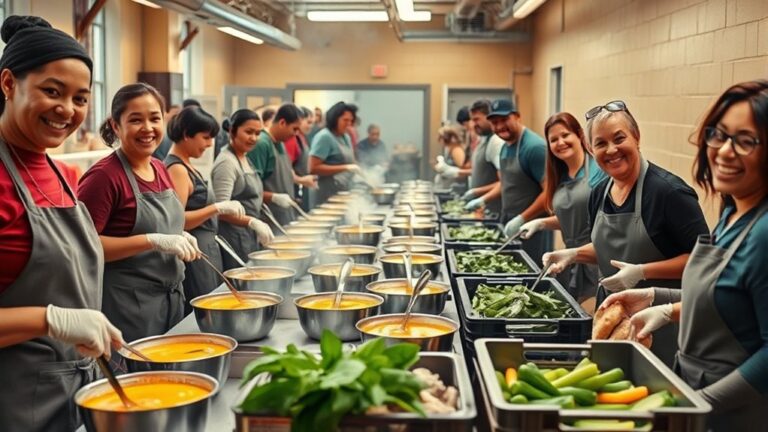
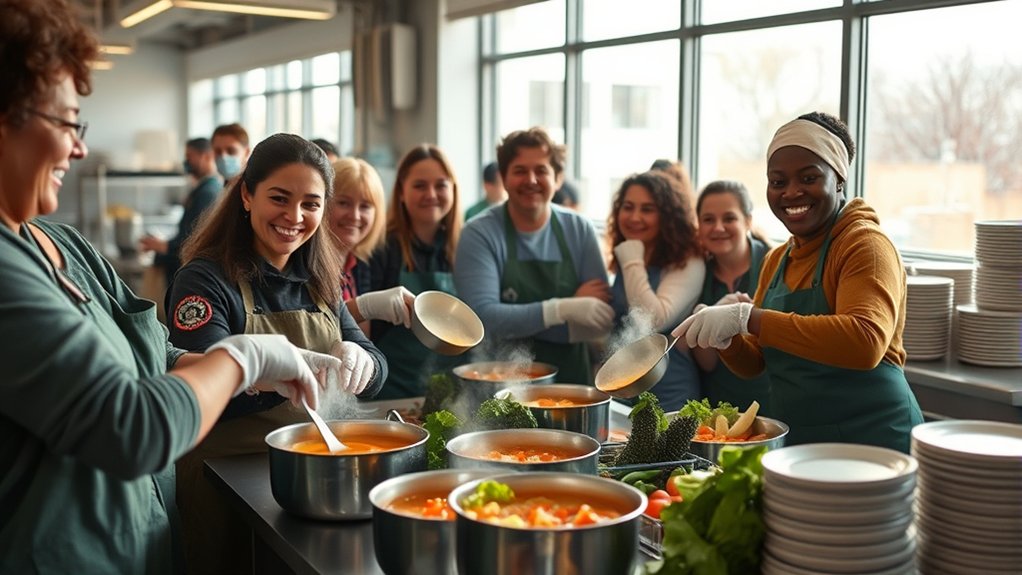
If you’re thinking about volunteering at a soup kitchen, you might wonder where to begin and what to expect. Volunteering at a soup kitchen is more than just serving food—it’s about connecting with people and supporting an essential community service. Taking the right steps can help you feel prepared and confident from your very first shift.
Before you jump in, it’s important to understand what the role truly involves and how you can make a meaningful impact.
How to Start Volunteering at a Soup Kitchen

Wondering how to start volunteering at a soup kitchen? First, reach out to local organizations through their volunteer recruitment channels. Many have websites or social media pages where you can sign up or learn about available shifts.
To start volunteering at a soup kitchen, contact local organizations through their websites or social media for sign-ups and shift info.
You’ll usually need to attend a brief orientation or training session that covers essential topics, including food safety, which is critical to protect both you and those you serve. Don’t worry if you’re new; the staff will guide you through proper hygiene practices and safe food handling procedures.
Once you’re familiar with these basics, you’ll feel more confident stepping into your role. Remember, soup kitchens rely on volunteers like you, and your willingness to help makes a real difference.
Starting can feel overwhelming, but take it step by step, and you’ll soon become an invaluable part of the team, providing a safe, warm meal to those in need.
What to Expect When Volunteering at a Soup Kitchen
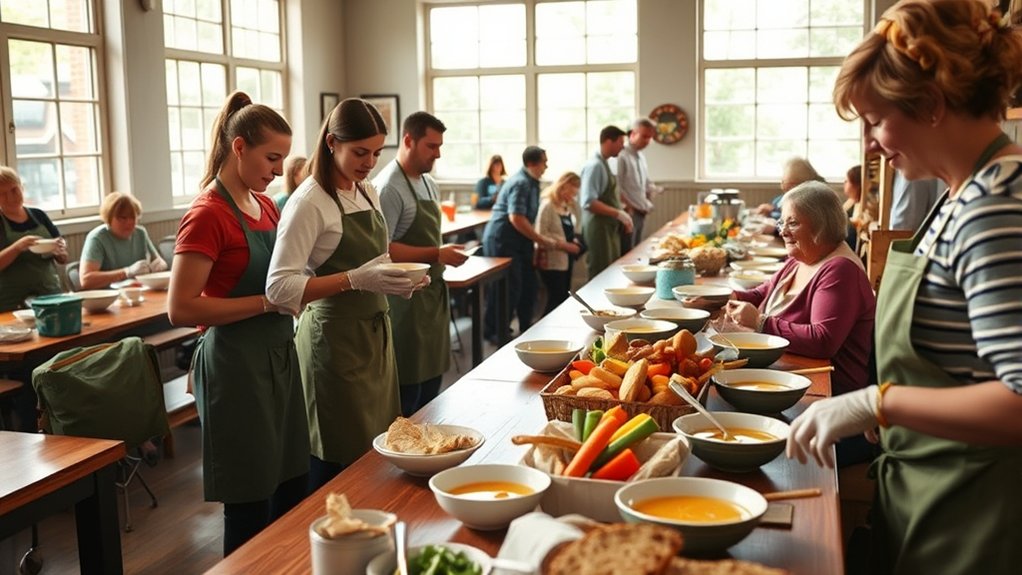
After completing your orientation and getting comfortable with the basics, you’ll step into the lively environment of the soup kitchen. What to expect is a fast-paced setting where teamwork and kindness blend seamlessly.
The volunteering dynamics here involve a mix of tasks: serving food, cleaning up, and engaging with guests. You’ll notice the importance of flexibility, as needs can shift quickly throughout the day.
Expect to meet people from diverse backgrounds, each bringing unique stories and experiences. Your role isn’t just about the physical work; it’s about offering respect and compassion.
Sometimes, the atmosphere can feel intense, but remember, your presence makes a meaningful difference.
Volunteering at a soup kitchen teaches patience and empathy while fostering a sense of community. Keep an open heart and mind, and you’ll find the experience deeply rewarding.
This honest connection is the heart of volunteering dynamics you’ll soon embrace.
How to Prepare for Your First Day at a Soup Kitchen
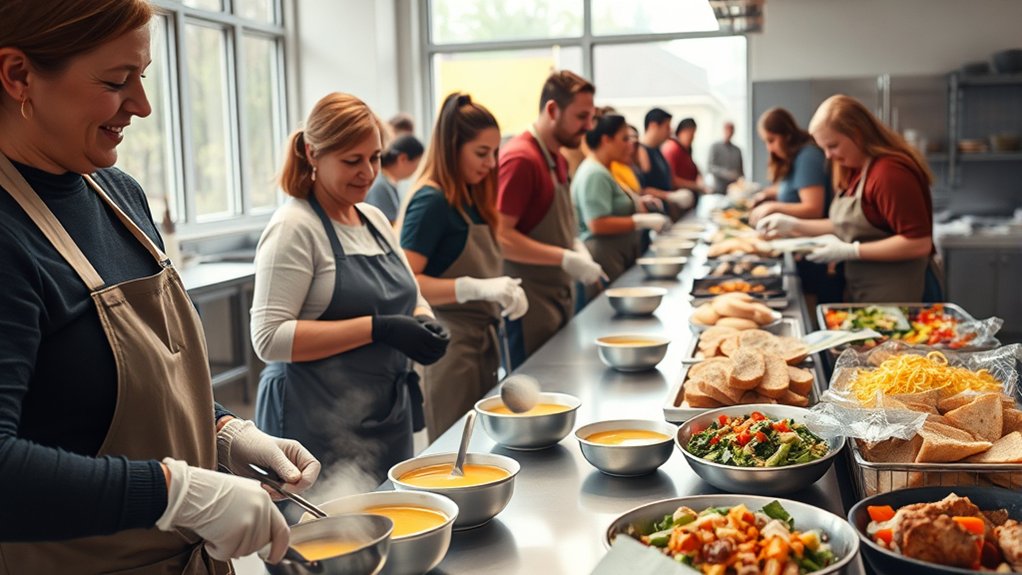
How can you best prepare for your first day at a soup kitchen? Start by familiarizing yourself with beginner friendly logistics such as arrival time, dress code, and parking. Knowing these details eases anxiety and helps you feel confident.
Next, understand the safety protocols to protect yourself and others. This includes proper hygiene, handling food safely, and following COVID-19 guidelines if applicable. Bringing a positive attitude ready to help makes a big difference.
Here’s a quick reference to guide you:
| Task | What to Know | Why It Matters |
|---|---|---|
| Arrival Time | Confirm exact time | Avoids disruption |
| Dress Code | Wear comfortable, closed shoes | Ensures safety and comfort |
| Safety Protocols | Follow hygiene & food rules | Protects health and wellbeing |
With these steps, you’ll feel ready and welcomed on your first day, making your volunteer experience smooth and rewarding.
Tips to Make Your Soup Kitchen Volunteering Meaningful
Meaningful volunteering at a soup kitchen often comes from connecting genuinely with the people you serve and your fellow volunteers. To make your time truly impactful, remember to practice strong volunteer ethics: respect privacy, listen actively, and treat everyone with dignity. These actions build trust and create a welcoming environment.
Also, stay mindful of donation logistics. Understanding how donations are received, sorted, and distributed helps you support the kitchen more effectively and avoid disruptions. Ask questions if you’re unsure about handling food or supplies.
Engaging fully means showing up with empathy and readiness to adapt to the kitchen’s needs. Communicate openly with coordinators and teammates to keep operations smooth. Finally, reflect on your experiences regularly; recognizing your role’s value motivates you and deepens your commitment.
How to Support Soup Kitchens Beyond Serving Meals
Wondering what else you can do to support a soup kitchen besides serving meals? You have plenty of impactful options. One effective way is helping build charity partnerships. By connecting the soup kitchen with local businesses, schools, or community groups, you can create a network that provides ongoing resources and awareness.
These partnerships often lead to valuable donations and volunteer support. Another way to contribute is by organizing or participating in fundraising ideas tailored to the kitchen’s needs—think bake sales, charity runs, or online crowdfunding campaigns. These efforts raise essential funds that keep the kitchen running smoothly, from purchasing food to maintaining facilities.
You can also assist with administrative tasks, social media outreach, or food drives. Every bit of support matters and helps improve the kitchen’s ability to serve those in need. So, don’t hesitate to explore these meaningful ways to make a difference beyond the serving line.
Frequently Asked Questions
Are There Age Restrictions for Volunteering at a Soup Kitchen?
Yes, many soup kitchens have age requirements to ensure volunteer safety, often asking volunteers to be at least 16 or 18.
You should check each place’s policies, and they’ll gladly guide you through safe volunteering options.
Can I Volunteer at a Soup Kitchen if I Have Dietary Allergies?
You’re more than welcome to volunteer, even with dietary allergies. Just share your allergy disclosure upfront so they can make proper dietary accommodations.
This way, you stay safe while helping others with kindness and care.
Do Soup Kitchens Provide Training for Volunteers?
Yes, soup kitchens usually provide training protocols during volunteer onboarding to ensure you feel confident and safe.
They’ll guide you through tasks and safety measures, making your volunteering experience smooth and supportive from the start.
Is There a Dress Code for Soup Kitchen Volunteers?
Like stepping into Mary Poppins’ orderly kitchen, you’ll find most soup kitchens have a dress code, usually comfortable, modest clothes and closed-toe shoes.
Age restrictions vary, but they’ll guide you kindly to ensure your safety and comfort.
Can I Volunteer at Multiple Soup Kitchens Simultaneously?
You can volunteer at multiple soup kitchens, but be mindful of multiple commitments and scheduling conflicts. Communicate clearly with each organization to balance your time effectively, ensuring you support their needs without feeling overwhelmed.