Are Heat Pump Hot Water Systems Any Good
If you’re considering heat pump hot water systems as an efficient way to heat your water, they could cut your energy use by up to 60%, thanks to a coefficient of performance (COP) typically between 3 and 4.
These systems operate quietly and excel in moderate climates, making them an attractive option for many homeowners.
However, their upfront costs and installation complexity might give you pause.
Before deciding, it’s important to weigh these factors against your home’s specific conditions and long-term savings potential.
Key Takeaways
- Heat pump hot water systems use ambient air to transfer heat, making them highly energy-efficient compared to traditional electric heaters.
- They typically consume 50-60% less electricity, offering significant energy savings and reduced greenhouse gas emissions.
- Their efficiency is best in moderate and hot climates but drops in colder environments due to heat extraction challenges.
- Noise levels are moderate (40-50 dB), and professional installation with adequate space is required, impacting upfront costs.
- Payback periods range from 3 to 7 years, making them a sustainable and economically viable choice for suitable homes.
How Do Heat Pump Hot Water Systems Save Energy?
Because heat pump hot water systems transfer heat rather than generate it through combustion or resistance, they consume considerably less electricity. They typically use 50-60% less energy than conventional electric water heaters.
Heat pump water heaters use 50-60% less electricity by transferring heat, not generating it.
You achieve energy savings by extracting ambient heat from the surrounding air and elevating it to the required water temperature via a refrigerant cycle. This process requires significantly less electrical input compared to resistive heating elements.
By relying on heat transfer instead of direct energy conversion, these systems reduce your household’s electricity demand, directly lowering your carbon footprint. Over time, this efficiency translates to a meaningful climate impact, decreasing greenhouse gas emissions associated with electricity generation.
If you prioritize sustainability and cost-effectiveness, heat pump hot water systems offer a quantifiable advantage in energy savings and environmental responsibility.
The Good and the Bad: Heat Pump Hot Water Systems
While heat pump hot water systems offer significant energy savings and environmental benefits, it’s important to weigh these advantages against potential drawbacks. On the positive side, these systems typically achieve a coefficient of performance (COP) between 3 and 4, meaning they deliver three to four units of heat per unit of electricity consumed, greatly reducing energy costs.
Additionally, their lower greenhouse gas emissions support sustainability goals. However, two-word discussion ideas such as noise levels and installation complexity present challenges. Heat pumps can produce operational noise around 50 dB, which might be disruptive in quiet residential settings.
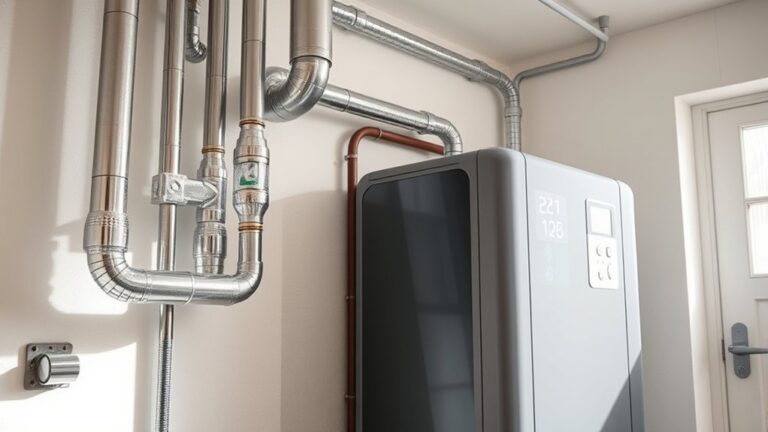
Installation requires adequate space and professional expertise, potentially increasing upfront costs. Understanding these factors helps you assess whether a heat pump hot water system aligns with your specific needs and constraints before committing to the investment.
How Climate and Location Influence Heat Pump Hot Water Efficiency
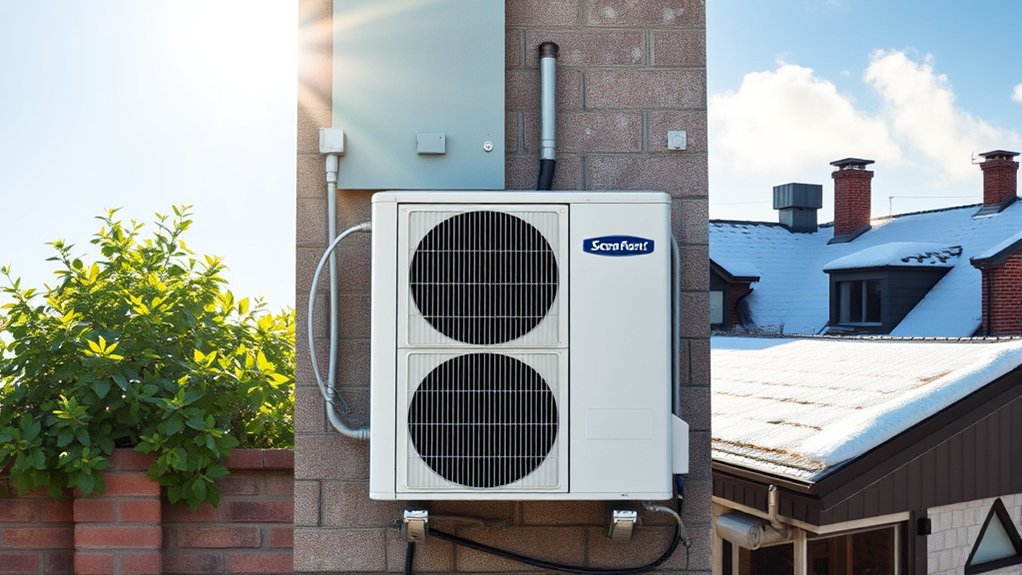
How does your local climate impact the efficiency of a heat pump hot water system? Climate variability plays a significant role in location-specific efficiency. Heat pumps perform best in moderate climates, where ambient temperatures remain relatively stable.
In colder regions, efficiency drops as the system works harder to extract heat, increasing energy consumption. Conversely, in warmer climates, efficiency improves due to higher ambient heat availability.
| Climate Type | Avg. Ambient Temp (°C) | Efficiency Impact |
|---|---|---|
| Temperate | 10-25 | High efficiency |
| Cold | <10 | Reduced efficiency |
| Hot & Humid | >25 | Optimal efficiency |
Understanding your climate’s effect helps you anticipate performance and optimize system selection accordingly.
Installation and Maintenance: What to Expect
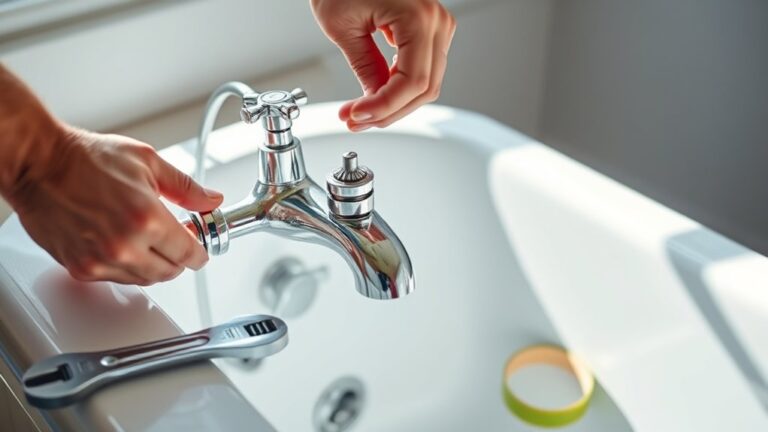
What should you expect during the installation and maintenance of a heat pump hot water system? First, don’t fall for installation myths that claim it’s overly complex. Professional installers typically complete setup within a day. Maintenance routines are straightforward but essential to preserve efficiency. Here’s what you should know:
- Site Assessment: Your installer evaluates space, airflow, and electrical capacity to optimize placement and performance.
- Installation Process: The system is mounted, connected to water and power, and tested, ensuring compliance with safety standards.
- Routine Maintenance: Expect biannual checks including filter cleaning, refrigerant level inspection, and corrosion prevention.
- Troubleshooting: Early detection of issues through sensors minimizes downtime and costly repairs.
Understanding these steps helps you set realistic expectations and maintain system efficiency over time.
Is a Heat Pump Hot Water System Worth It for Your Home?
Why consider a heat pump hot water system for your home? If you’re evaluating whether it’s economical, data shows these systems consume up to 60% less electricity than conventional electric water heaters. This efficiency translates into significant savings on your energy bills over time.
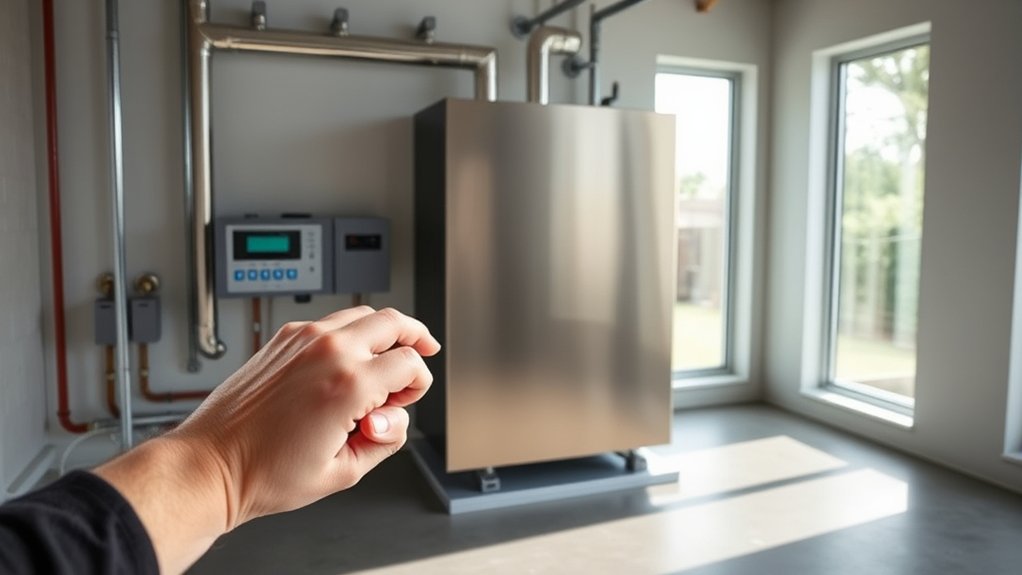
Regarding noise, modern heat pumps operate between 40-50 decibels, comparable to a quiet conversation, so you won’t be disturbed by excessive sound. Installation costs are higher initially, but payback periods typically range from 3 to 7 years, depending on your energy rates and usage.
If your home has adequate space and a moderate climate, a heat pump hot water system is a technically sound, cost-effective solution for sustainable hot water heating.
Frequently Asked Questions
Can Heat Pump Systems Be Integrated With Solar Panels?
Yes, you can integrate heat pump systems with solar panels, enhancing integration compatibility. This setup maximizes energy storage benefits by efficiently using solar-generated electricity to power the heat pump.
It reduces energy costs and improves system sustainability.
What Is the Average Lifespan of a Heat Pump Hot Water System?
The average lifespan of a heat pump hot water system is typically 10 to 15 years. You’ll benefit most from system integration with solar panels, which can optimize efficiency and extend the unit’s operational life through reduced load.
Are There Any Government Rebates for Installing Heat Pump Hot Water Systems?
Imagine slicing your installation costs with government rebates that often cover 20-30%. You can access these incentives by checking local programs, ensuring your heat pump hot water system installation is both affordable and energy-efficient.
How Noisy Are Heat Pump Hot Water Systems During Operation?
You’ll find heat pump hot water systems operate quietly, typically around 40-50 decibels, similar to a refrigerator. Proper installation considerations, like placing units away from bedrooms, further minimize any noise disturbance during operation.
Can Heat Pump Hot Water Systems Provide Water for Swimming Pools?
You might be surprised, yes, heat pump hot water systems can handle pool heating efficiently. They deliver consistent warmth by extracting ambient heat, boosting energy efficiency up to 3-4 times compared to traditional electric heaters.
Conclusion
If you’re looking to cut energy costs by up to 60% with a system boasting a COP of 3–4, heat pump hot water systems are a smart bet—especially in moderate climates. While installation demands more upfront time and money, the payback often arrives within 3–7 years.
Think of it as planting a money-saving tree: with proper maintenance, it grows reliably, quietly, and sustainably. This makes it a technically sound and environmentally friendly choice for your home.
Overall, heat pump hot water systems are an excellent investment for those wanting to save energy and reduce their carbon footprint.