Can You Survive a Fire in a Bathtub
You might not expect a bathtub to be part of your fire survival plan, but can you survive a fire in a bathtub? It can offer a brief, last-resort refuge when escape routes are blocked. The combination of water and porcelain can delay heat and keep smoke at bay, yet it’s far from a guaranteed safe haven.
Understanding how and when a bathtub can protect you—and its limits—could make a critical difference in an emergency. Knowing these factors can help you make quick decisions when every second counts. Always consider the bathtub as a temporary option rather than a primary escape plan.
Key Takeaways
- A bathtub can offer temporary refuge by cooling the body and resisting heat but is not a guaranteed safe escape method during a fire.
- Water in the tub absorbs heat and delays burns, but steam burns and radiant heat limit bathtub protection effectiveness.
- Bathtubs made of cast iron or fire-resistant ceramics provide better heat resistance than acrylic or fiberglass tubs.
- Using wet cloths over the nose and mouth while in the tub helps filter smoke and improve breathing safety.
- Evacuation planning and multiple escape routes remain the best strategy; the bathtub is only a last-resort shelter if all exits are blocked.
Can You Survive a Fire in a Bathtub? What You Need to Know
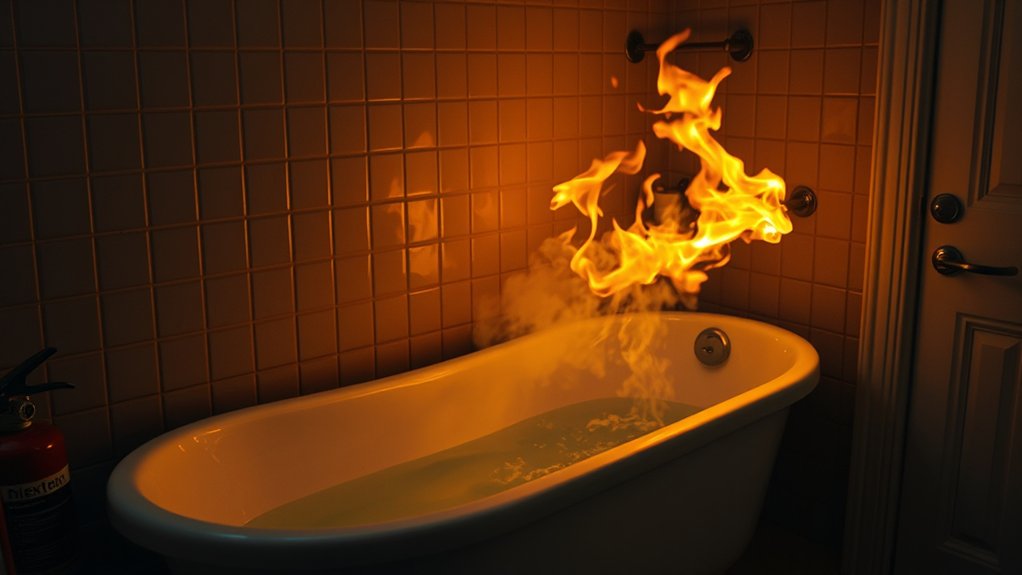
How effective is hiding in a bathtub during a fire? While it might seem like a protective spot, relying on a bathtub alone isn’t a safe strategy. You need to prioritize evacuation planning to ensure you leave the building quickly and safely.
Fire safety drills teach you the best evacuation routes and help you react calmly under pressure. Hiding in a bathtub can trap you in smoke and heat, which are the leading causes of fire-related injuries and deaths.
Instead, focus on preparing escape plans and practicing them regularly. Knowing multiple exits and staying low to avoid smoke during evacuation is crucial. So, while a bathtub might offer temporary shelter, your best chance at survival lies in thorough evacuation planning and consistent fire safety drills.
How a Bathtub Helps You Survive a Fire
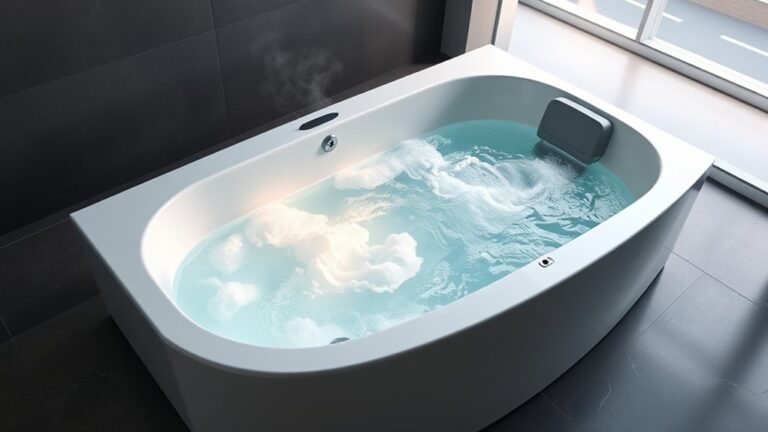
Why might a bathtub offer some protection during a fire? Contrary to common fire safety myths, a bathtub can provide a temporary refuge by offering a barrier against flames and heat. Filled with water, it helps cool your body and prevent burns.
The surrounding ceramic or porcelain can resist heat longer than other household materials, giving you critical extra minutes. However, it’s important to separate fact from bathtub myths. This isn’t a guaranteed safe spot but rather a last-resort option if escape routes are blocked.
You must still prioritize getting out first. Understanding how a bathtub can aid survival helps you make informed decisions during emergencies, avoiding reliance on false assumptions that may cost you valuable time or safety.
Best Bathtub Materials for Fire Resistance
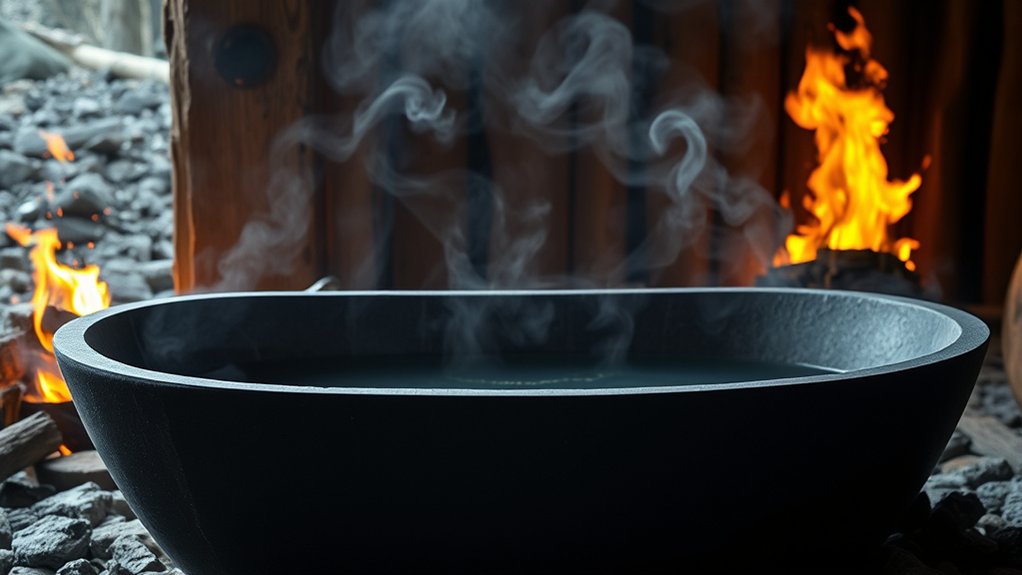
Although no bathtub material can guarantee complete protection during a fire, some are far better at withstanding heat and flames than others. When selecting a bathtub for fire resistance, materials like cast iron and fire-resistant ceramics stand out.
Cast iron’s dense structure resists high temperatures, while ceramics naturally tolerate intense heat without deforming. Additionally, modern bathtub design often incorporates fireproof coating, enhancing a tub’s ability to withstand flames and slow heat transfer.
Avoid materials like acrylic or fiberglass, which melt or burn easily under fire conditions. By choosing a bathtub with robust materials and a fireproof coating, you improve your chances of withstanding extreme heat.
Prioritize these factors when considering fire safety as part of your bathtub design for maximum protection.
Why Water in the Bathtub Improves Your Survival Chances
When you fill the bathtub with water during a fire, it helps absorb intense heat and lowers the risk of severe burns. The water also creates a barrier that reduces smoke inhalation and protects your skin from direct flames.
Understanding these benefits can greatly improve your chances of surviving in such extreme conditions.
Heat Absorption Benefits
Since water has a high specific heat capacity, it absorbs and retains heat much more effectively than air or most materials around you. When you stay in a water-filled bathtub during a fire, the water acts as a thermal buffer, reducing the heat transferred to your body. This heat absorption benefits your survival chances by preventing burns and overheating.
The bathtub design plays a crucial role here. Materials like porcelain or acrylic combined with water create a protective environment that limits heat exposure. Understanding fire safety, you know that maintaining a cooler temperature can buy you precious time until help arrives.
Smoke Inhalation Reduction
How does sitting in a water-filled bathtub help reduce the risk of smoke inhalation during a fire? When you immerse yourself in water, the bathtub ergonomics allow you to stay low, where smoke concentration is minimal. Since smoke rises, being seated in the tub keeps your airway closer to cleaner air near the floor.
Additionally, the water acts as a barrier, preventing smoke from easily reaching your nose and mouth. Maintaining proper water temperature safety is crucial; the water should be cool enough to avoid burns but warm enough to keep you calm and reduce panic, which can worsen breathing.
This combination of positioning and water presence helps you breathe more safely, increasing your chances of surviving smoke inhalation until help arrives.
Skin Protection Mechanism
Immersing yourself in water during a fire creates an essential protective barrier for your skin against intense heat and flames. This water layer absorbs and dissipates thermal energy, reducing the risk of severe burns.
In fire safety, this mechanism plays a crucial role in personal protection by slowing heat transfer to your skin. The water’s cooling effect helps maintain lower skin temperatures, preventing tissue damage.
Additionally, the moisture prevents your skin from drying out and cracking, which can worsen burn injuries. While water won’t make you invincible, it significantly improves your survival chances by acting as a buffer against direct flame contact.
Understanding this skin protection mechanism highlights why a filled bathtub can be a vital last-resort refuge during a fire emergency.
Can a Bathtub Help You Avoid Heat Injuries?
Can a bathtub really protect you from the intense heat of a fire? While the imagery contrast of a cool tub amid flames suggests safety, this idea is often misleading. A bathtub filled with water can absorb heat and provide a temporary barrier against burns, but it’s not a foolproof shield.
You might think that submerging yourself fully keeps heat injuries at bay, but safety misconceptions overlook critical factors like steam burns from superheated water or direct radiant heat exposure. The tub’s material and water temperature also influence protection levels.
In essence, while a bathtub can reduce heat injury risk briefly, relying solely on it without considering other fire survival tactics is dangerous. Understanding these limits helps you make smarter, safer choices during a fire emergency.
How to Use a Bathtub to Shield Yourself From Smoke
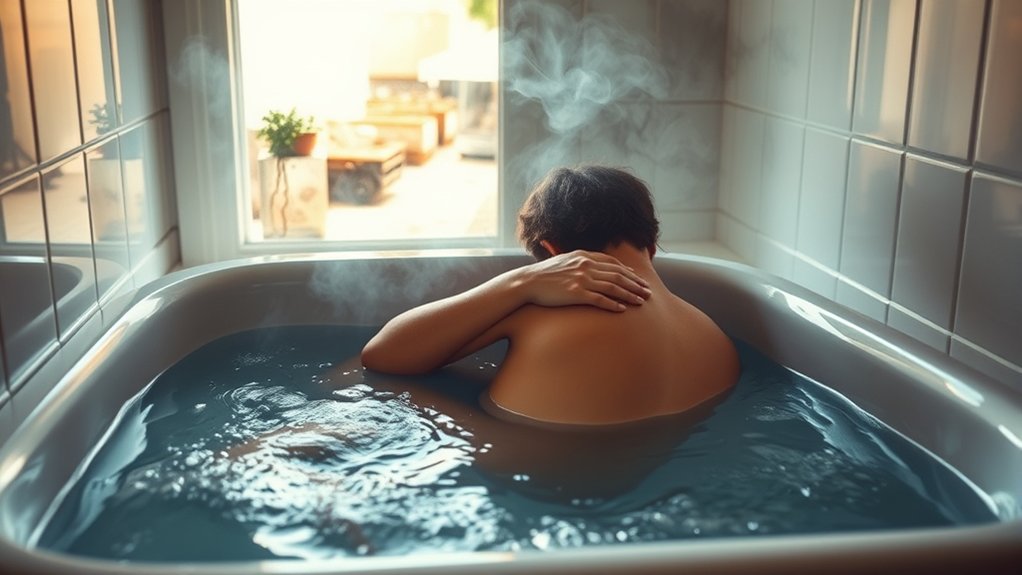
Although a bathtub won’t stop smoke from filling a room, you can use it strategically to reduce exposure and improve your chances of breathing cleaner air. For fire safety, position yourself inside the bathtub to stay low, where smoke concentration is lighter.
Fill the tub partially with water to create a barrier that can help cool the air around you. Cover your nose and mouth with a wet cloth to filter smoke particles.
Bathtub usage in this way takes advantage of the low-lying air and water’s cooling effect, reducing inhalation of toxic fumes. Stay calm, remain in this sheltered spot, and signal for help.
Using a bathtub as a smoke shield isn’t foolproof, but it can be a critical tactic in a fire emergency.
How to Survive If You’re Trapped Without Water
If you’re trapped without water during a fire, start by quickly assessing your surroundings for safe spots and potential hazards. Use clothing or fabric to create barriers that filter smoke and protect your airways.
Make noise, flash lights, or use any available means to signal for immediate help.
Assess Your Surroundings
Where should you focus your attention when trapped in a fire without access to water? First, avoid irrelevant topics and stray concerns that don’t directly affect your survival. Instead, concentrate on these critical factors:
- Identify exits: Quickly locate all possible escape routes, including windows and doors, to plan your next move.
- Evaluate smoke and heat: Note where smoke is thickest and heat is most intense; avoid these areas to reduce inhalation risks.
- Locate safe zones: Find spaces with less smoke, lower temperatures, or access to fresh air, such as bathrooms or closets.
Create Breathing Barriers
A essential step to increase your chances of survival during a fire is creating effective breathing barriers to protect your lungs from smoke and toxic fumes. If you’re trapped without water, use clothing or towels to cover your nose and mouth, dampening them if possible.
This subtopic is not relevant to bathtub safety directly, but it remains crucial for overall fire survival. Avoid inhaling heavy smoke by staying low and using any breathable material as a barrier.
| Material | How to Use | Effectiveness |
|---|---|---|
| Wet Cloth | Cover nose and mouth | High filtration |
| Dry Cloth | Fold thickly, cover face | Moderate |
| Towel | Wrap around lower face | Good for dust/smoke |
Creating these barriers improves air quality, buying you crucial time until rescue.
Signal For Immediate Help
Creating breathing barriers helps protect your lungs, but signaling for help remains your best chance of survival when trapped without water. Don’t fall for bathtub myths or survival myths that suggest waiting silently. Instead, act decisively:
- Use any object to create loud, repetitive noises. Bang pipes or walls to alert rescuers.
- Signal visually by flashing light from a phone or a reflective surface through windows.
- Position yourself near windows or doors to maximize your chances of being seen or heard.
These actions increase your visibility and improve rescue odds. Remember, staying active in signaling is vital when water isn’t available to survive. Relying solely on bathtub myths about drowning or suffocation won’t save you. Effective communication does.
Risks and Limitations of Using a Bathtub as Refuge
How safe is a bathtub when a fire breaks out? Despite common fire safety myths and bathtub myths, using a bathtub as refuge has serious risks and limitations.
While it may seem like a water-filled tub offers protection, it doesn’t shield you from smoke inhalation, extreme heat, or toxic gases. Bathtubs often have limited ventilation, increasing the danger of suffocation.
Additionally, if the fire spreads rapidly, the bathroom can become trapped, cutting off your escape routes. You also risk burns from hot surfaces surrounding the tub.
Relying solely on a bathtub can give you a false sense of security, delaying your efforts to evacuate or call for help. Knowing these limitations helps you make safer decisions during a fire emergency.
How to Signal for Help While Staying in a Bathtub
While staying in the bathtub, you need to make yourself as noticeable as possible to rescuers. Use visible signals like brightly colored cloth or reflective objects to catch attention through windows.
At the same time, create audible alerts by calling out or banging on pipes to ensure help can hear you.
Using Visible Signals
Where should you direct your attention to get help when trapped in a bathtub during a fire? Unlike an unrelated scenario where you might simply exit and call for help, bathtub etiquette in emergencies demands strategic use of visible signals.
Here’s how to maximize your chances:
- Use a bright cloth or towel. Wave it near the bathroom window to catch the attention of rescuers outside.
- Reflect light. Use a mirror, phone screen, or metallic object to flash sunlight or artificial light.
- Create contrast. Position dark or brightly colored items against lighter backgrounds to enhance visibility through windows.
These actions can save valuable time and increase your odds of being spotted quickly, all while you maintain safety inside the bathtub.
Making Audible Alerts
Visible signals can alert rescuers to your location, but sound often travels further and can grab attention even when visibility is limited. To maximize your chances of being heard, focus on making effective auditory alerts.
Use objects around you to create sharp, repetitive noises. Tapping a metal faucet or striking the tub’s edge can produce distinct sounds that carry well.
Understanding tub acoustics helps; the bathtub’s structure amplifies sound, making your alerts more noticeable. Keep your signals rhythmic and consistent to differentiate them from ambient noise.
If you have a whistle or small device, use it repeatedly. Remember, your goal is to create clear, attention-grabbing noises that increase your visibility to rescuers even when smoke obscures sight.
How Do Firefighters Rescue People From Bathtubs?
How exactly do firefighters approach rescuing someone trapped in a bathtub during a fire? Their strategy combines quick assessment and understanding of bathtub ergonomics to ensure a safe firefighter rescue. Here’s how they do it:
- Assess Access and Position: Firefighters evaluate the bathtub’s size and the victim’s posture to plan a safe extraction without causing injury.
- Control the Environment: They manage smoke, heat, and flames around the bathroom to create a survivable space before rescue.
- Execute the Rescue: Using specialized techniques and equipment, firefighters carefully lift and remove the person, minimizing strain and leveraging ergonomic principles.
You can trust that firefighter rescue teams are trained to navigate these challenges efficiently, prioritizing your safety even in confined spaces like bathtubs during fires.
Frequently Asked Questions
Can You Use a Bathtub During a Wildfire Outdoors?
You shouldn’t rely on a bathtub outdoors during a wildfire. Fire safety misconceptions and bathtub myths suggest protection, but flames and heat can overwhelm you.
Stay informed and follow official evacuation orders instead of risking safety.
Is It Safe to Stay in a Bathtub With Electrical Appliances Nearby?
You might believe it’s safe, but staying in a bathtub near electrical appliances is risky. Don’t fall for dangerous myths; electrical safety demands keeping water and electricity separate to prevent shocks or worse. Stay cautious.
How Long Can You Safely Remain in a Bathtub During a Fire?
You can’t safely remain long in a bathtub during a fire; fireproofing myths mislead many. Smoke inhalation risks escalate quickly, so evacuate immediately to avoid severe harm or fatal consequences. Don’t rely on false safety assumptions.
Are There Alternative Household Items Better Than Bathtubs for Fire Survival?
You might think bathtubs are the best refuge, but fire safety myths suggest otherwise. Instead, consider fire-resistant blankets or designated safe rooms as bathtub alternatives. They offer better protection by reducing smoke inhalation and heat exposure.
What Should You Do After Exiting the Bathtub Post-Fire?
After exiting the bathtub, you should perform post fire first aid by checking for burns and breathing difficulties.
Then, focus on post fire containment by contacting emergency services and avoiding re-entry until professionals declare it safe.
Conclusion
You can use a bathtub as a last-resort refuge if escape routes are blocked, but it’s not a guaranteed safe haven. For example, during a 2017 house fire in California, a trapped resident stayed in a water-filled tub, avoiding smoke inhalation until firefighters arrived.
Remember, staying low, using water to delay heat, and signaling for help are essential. Always prioritize planned exits and calm drills over sheltering in a tub.
In conclusion, while a bathtub may provide temporary protection, understanding how to survive a fire in a bathtub should never replace having a clear escape plan.