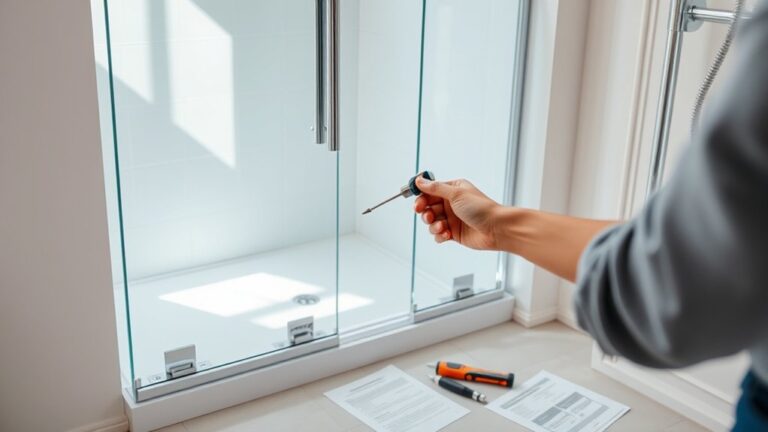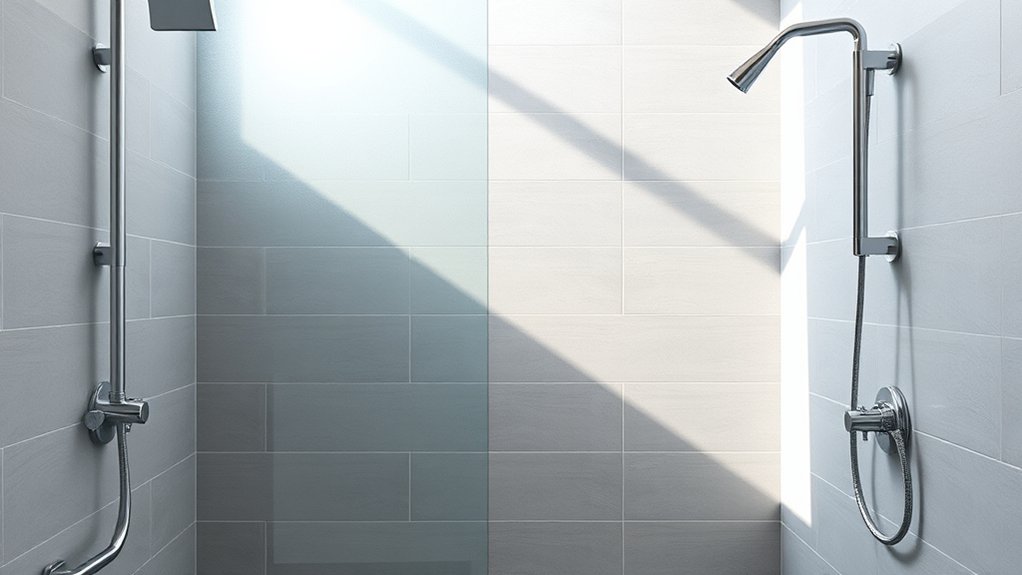
Are Bigger Tiles Better for Shower Walls
When you choose tiles for your shower walls, bigger tiles play a crucial role in both style and function. Bigger tiles offer a cleaner, more modern look with fewer grout lines, making upkeep easier while creating a spacious feel.
However, they demand a perfectly flat surface and careful installation to avoid issues. Before deciding, consider how your shower’s dimensions and your maintenance preferences might influence whether larger tiles truly fit your space.
Key Takeaways
- Bigger tiles create a sleek, modern look with fewer grout lines, making shower walls appear larger and less busy.
- Larger tiles reduce cleaning time and maintenance by minimizing grout lines that trap soap scum and mildew.
- Installing big tiles requires sturdy wall support, flat substrates, and careful planning to ensure proper adhesion and alignment.
- Shower size influences tile choice: larger showers suit bigger tiles, while smaller showers benefit from smaller tiles for better coverage.
- Materials like natural stone, glass, ceramic, and quartz impact design aesthetics and maintenance regardless of tile size.
Why Tile Size Impacts Shower Wall Style and Functionality
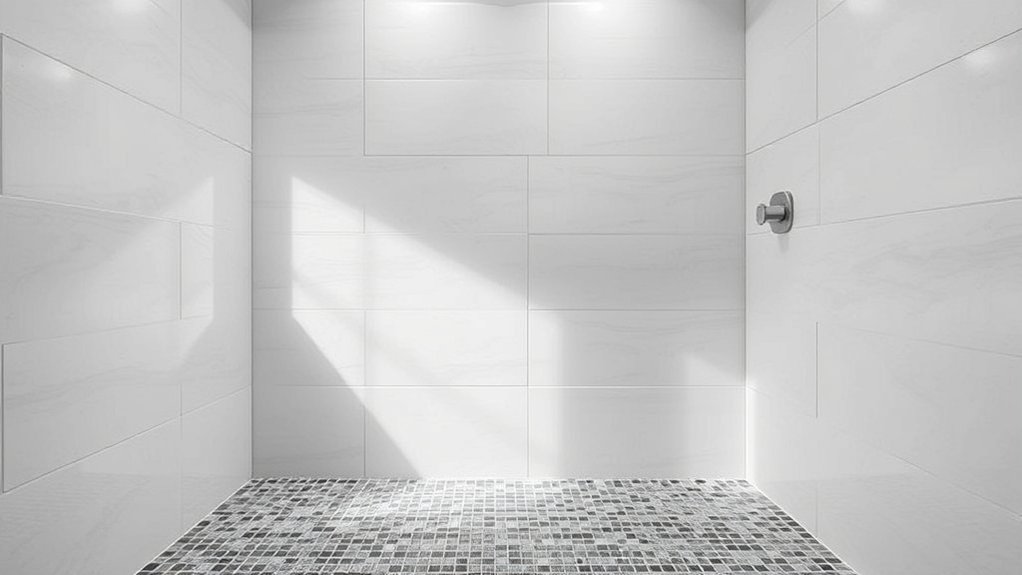
How does tile size shape both the look and practicality of your shower walls? Choosing the right tile size influences not only the visual flow but also the maintenance and durability of your space.
Smaller tiles create intricate patterns and grip, ideal if you want texture and detail. Larger tiles offer sleekness and fewer grout lines, simplifying cleaning. Yet, themes beyond tile size, like color, finish, and layout, also shape your shower’s style.
Budget impact is another factor; smaller tiles often demand more labor and grout, raising costs despite the tile price. You’ll want to balance aesthetics with functionality and expenses, ensuring your shower walls reflect your style without compromising practicality or overspending.
How Bigger Tiles Affect Shower Appearance
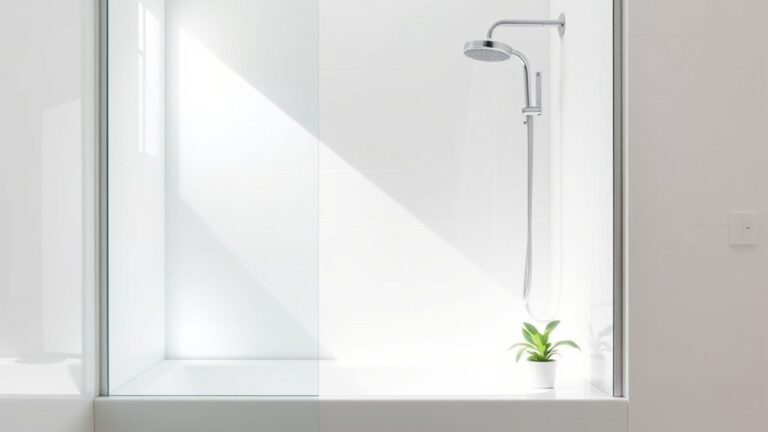
What impact do bigger tiles have on your shower’s visual appeal? They create a sleek, modern look by minimizing grout lines, which means you get a cleaner, more continuous surface. This smooth grout effect makes your shower walls appear larger and less busy, enhancing a sense of spaciousness and calm.
Bigger tiles also lend a sophisticated, high-end feel that suits minimalist or contemporary designs. However, keep weight considerations in mind. Larger tiles are heavier and require sturdy wall support to prevent damage or detachment over time.
When installed properly, though, they balance aesthetics and practicality beautifully, offering a striking, easy-to-maintain shower wall that elevates your bathroom’s overall style without overwhelming the space.
How Shower Dimensions Influence Tile Size Selection
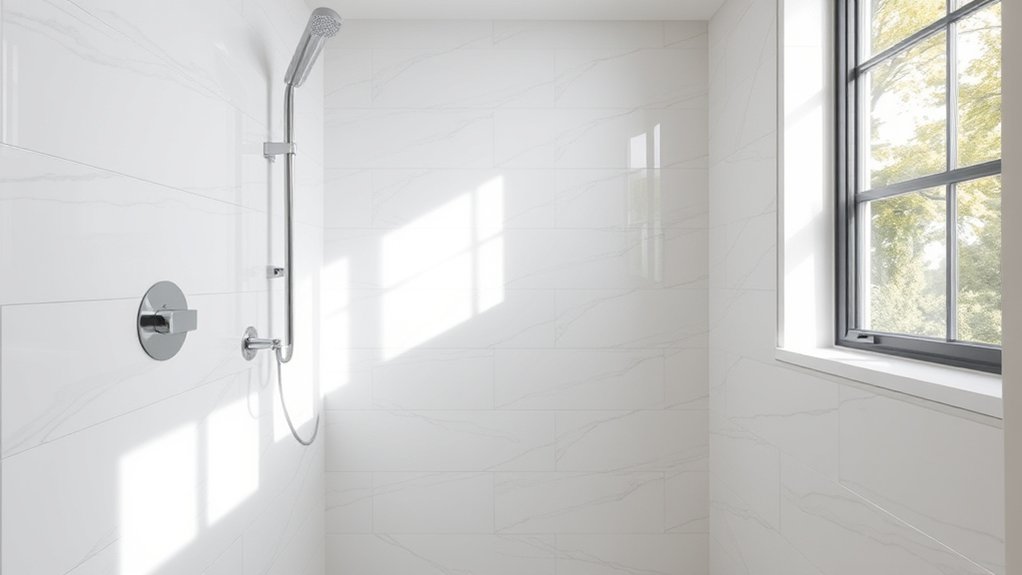
Where you place your tiles depends greatly on the size and shape of your shower space. Smaller showers typically benefit from smaller tile dimensions, as they allow for better coverage on tight walls and more grout lines, which can enhance grip.
Larger showers give you freedom to use bigger tiles, reducing grout lines and creating a sleek appearance. Grout color also plays a role; matching grout to tile dimension can make walls feel more cohesive or segmented.
| Shower Size | Recommended Tile Dimension | Grout Color Suggestion |
|---|---|---|
| Small (3’x3′) | 4″x4″ or 6″x6″ | Light gray or white |
| Medium (5’x5′) | 8″x8″ or 12″x12″ | Neutral tones |
| Large (7’x7’+) | 12″x24″ or larger | Matching tile color |
Choose wisely to balance aesthetics and practicality.
Benefits of Larger Shower Tiles
You’ll appreciate how larger shower tiles cut down on grout lines, making cleaning quicker and less tedious. Their expansive surfaces also create a sleek, modern look that can visually open up your shower space.
Let’s explore how these benefits combine style with practicality.
Easier Cleaning Process
How often do you dread scrubbing grout lines in your shower? Larger tiles mean fewer grout lines, which cuts down on the time and effort you spend cleaning.
With broad color palettes and material durability, bigger tiles not only look sleek but also resist stains and mildew better. You’ll enjoy a smoother surface that’s less prone to dirt buildup, making maintenance straightforward and efficient.
| Cleaning Aspect | Benefit of Larger Tiles |
|---|---|
| Grout Lines | Fewer lines, less scrubbing needed |
| Surface Area | Easier to wipe down quickly |
| Material Durability | Resists stains and mildew |
| Color Options | Broad palettes hide dirt better |
Choosing large tiles makes your shower cleaning routine simpler and keeps it looking pristine longer.
Enhanced Visual Appeal
Besides making cleaning easier, larger tiles dramatically elevate the look of your shower walls. They create an enhanced visual impact by minimizing grout lines, which often interrupt the flow of your design. This seamless appearance makes your shower feel more spacious and modern.
With bigger tiles, you get to showcase subtle texture and natural patterns more effectively, adding depth without overwhelming the space. The smooth expanses allow light to reflect beautifully, enhancing the overall brightness and mood.
Plus, the understated elegance of large tiles complements various styles, from minimalist to rustic, giving you versatile design options. By choosing larger tiles, you not only simplify maintenance but also achieve a sleek, sophisticated look that transforms your shower into a stylish retreat.
Drawbacks of Larger Shower Tiles
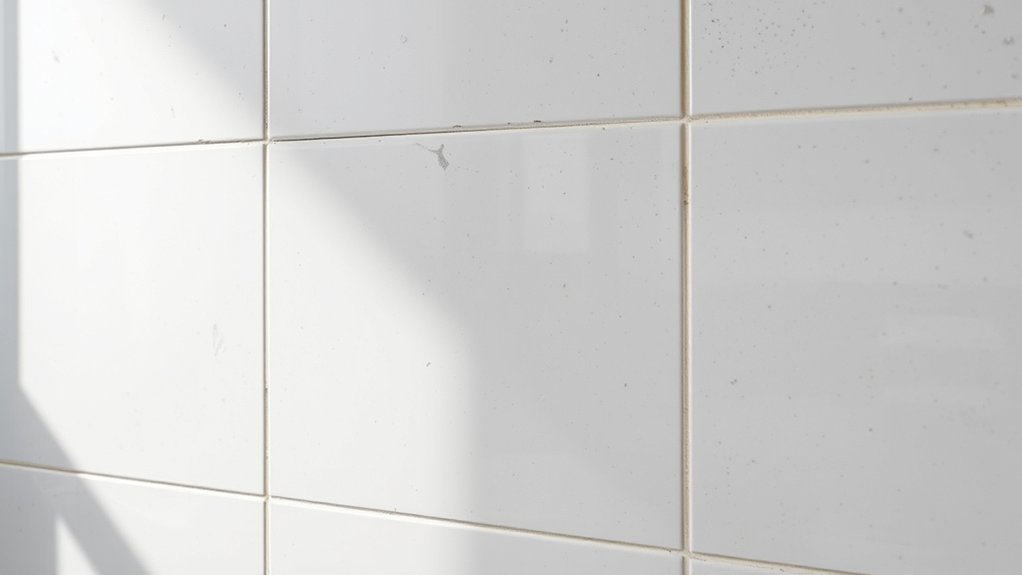
What challenges might you face when choosing larger tiles for your shower walls? While they offer a sleek, modern look that hints at the future of tiles, larger tiles can be harder to install perfectly flat, leading to uneven surfaces. This affects not only aesthetics but water resistance, as any slight misalignment might allow water to seep behind the tiles.
Additionally, if a tile cracks or chips, replacing it can be more complicated and costly. Since larger tiles cover more surface area, you’ll need to assure your wall can support their weight without issues.
Finally, larger tiles might not work well in smaller showers, where they can overwhelm the space and reduce design flexibility. Balancing these factors will help you make a practical, stylish choice.
How Grout Lines Affect Cleaning and Maintenance
You’ll notice that grout lines tend to trap soap scum and mildew, making cleaning more frequent and labor-intensive.
The narrower and fewer grout lines you have, the less time you’ll spend scrubbing and maintaining your shower walls. Choosing larger tiles can simplify upkeep, giving your shower a cleaner, more polished look with less effort.
Grout Line Cleaning Challenges
How often do you find yourself scrubbing grout lines in the shower, only to see stubborn stains persist? Grout lines, especially narrow ones, can trap soap scum and mildew, making cleaning a chore.
The grout color you choose plays a crucial role. Lighter hues show dirt more readily, while darker tones can mask grime but may fade over time. Proper sealer maintenance is essential to protect grout from moisture and staining, but it requires regular attention.
You’ll face these challenges:
- Dirt accumulation in porous grout
- Discoloration despite cleaning efforts
- Difficulty reaching tight grout spaces
- Fading or peeling sealer over time
- Mold growth in poorly ventilated areas
Understanding these factors helps you balance aesthetics and practicality when selecting tile sizes for your shower walls.
Maintenance Frequency and Effort
When considering shower wall tiles, have you thought about how grout lines influence your cleaning routine? Smaller tiles mean more grout lines, which demand frequent scrubbing to prevent mold and mildew buildup. This increases your maintenance effort considerably.
Larger tiles reduce grout lines, making it easier to maintain a sleek, clean look with less frequent cleaning. Proper tile trim installation also plays a pivotal role, sealing edges effectively and enhancing moisture control.
With fewer grout lines and well-fitted tile trim, moisture doesn’t seep behind tiles, reducing potential damage and the need for repairs. Choosing bigger tiles not only elevates your shower’s aesthetic but also streamlines your cleaning routine, giving you more time to enjoy a fresh, polished bathroom without the hassle of intensive upkeep.
Best Materials for Large Shower Wall Tiles
Which materials truly shine when it comes to large shower wall tiles? Selecting the right material balances design trends, durability, and cost considerations. You want tiles that offer both aesthetic appeal and practical performance.
Here are five standout options for your large shower walls:
- Porcelain: Durable, water-resistant, and available in sleek finishes.
- Natural Stone: Adds luxury with unique patterns but requires sealing.
- Glass: Reflects light beautifully, enhancing space visually.
- Ceramic: Budget-friendly with diverse styles, though less dense than porcelain.
- Quartz: Engineered for strength and consistent color, ideal for modern looks.
Each material complements contemporary designs while addressing longevity and maintenance. Choosing wisely ensures your shower walls remain stunning and functional for years without sacrificing style or your budget.
Installation Tips and Challenges for Large Shower Wall Tiles
Although large shower wall tiles offer a sleek, modern look, installing them demands careful planning and precise execution to avoid common pitfalls like uneven surfaces or weak adhesion. You’ll need a perfectly flat substrate and high-quality mortar to support the tile’s weight. Consider how tile patterns affect alignment. Large tiles with complex patterns require extra attention. Keep in mind, installation costs can rise due to labor intensity and material needs.
| Tip | Challenge | Solution |
|---|---|---|
| Use leveling spacers | Heavy tile handling | Enlist help or use suction cups |
| Prepare even surfaces | Mortar setting issues | Use a premium, flexible adhesive |
| Plan tile patterns early | Aligning designs | Dry-lay tiles before fixing |
Master these steps for a flawless, elegant shower wall.
When Smaller Shower Tiles Are a Better Choice
Why might you opt for smaller shower tiles instead of larger ones? Smaller tiles offer a refined texture and intricate detail that larger tiles can’t replicate. They allow for creative designs, especially when paired with pebble accents, enhancing your shower’s tactile and visual appeal.
Tiny grout lines between small tiles add subtle definition, making the surface feel more dynamic without overwhelming the space. You’ll also find that smaller tiles conform better to curves and uneven walls, making installation easier in tricky areas.
Consider smaller tiles if you want to:
- Highlight intricate mosaic or pebble accents
- Achieve greater slip resistance with textured surfaces
- Work with curved or irregular shower walls
- Emphasize tiny grout patterns for detailed aesthetics
- Control water drainage with smaller, more numerous grout lines
Frequently Asked Questions
How Do Bigger Tiles Impact Shower Waterproofing?
Bigger tiles reduce grout lines, minimizing water penetration risks and improving waterproofing impact. When you plan your tile layout carefully, you create a sleek, seamless shower wall that’s both practical and visually stunning, enhancing durability and style.
Are Larger Tiles More Expensive Than Smaller Ones?
You know what they say, “You get what you pay for.” Larger tiles often cost more upfront, but their sleek look and fewer grout lines can save you money long-term.
Consider a cost comparison before deciding.
Can Bigger Tiles Be Used on Shower Floors?
You can use larger tiles on shower floors, but you’ll face installation challenges like ensuring proper slope and slip resistance. Larger tiles create a sleek, modern look but require careful planning to maintain safety and drainage.
Do Larger Tiles Affect Shower Resale Value?
Imagine sleek, larger tiles reflecting light, instantly elevating your shower’s style. They can boost resale value if waterproofing concerns are addressed and tile layout is flawless, creating a modern, spacious look buyers find highly appealing.
How Long Do Large Shower Tiles Typically Last?
Large shower tiles typically last 20-30 years, but durability myths can mislead you. If you maintain grout and sealants properly, you’ll keep maintenance costs low and enjoy a stunning, long-lasting shower wall aesthetic.