Are All Shower Head Connectors the Same Size
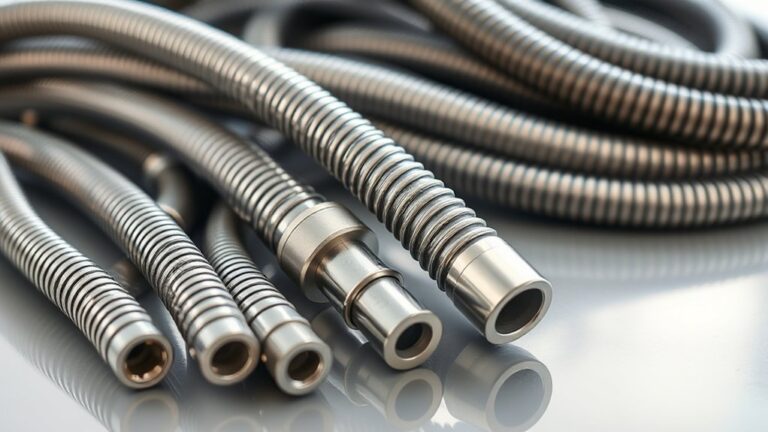
You might assume all shower head connectors are the same size, but that’s not always true. While 1/2-inch connectors are the most common, there are variations in size, thread type, and gender that can affect compatibility. Understanding these differences is essential to avoid leaks or installation issues.
Before you replace or upgrade your shower head, it’s important to know what you’re dealing with. Some connectors require special adapters or tools, so being informed can save you time and frustration.
Key Takeaways
- Most shower head connectors use a standard 1/2-inch size, but some specialized setups use 3/8-inch or 1/4-inch fittings.
- Connector size affects compatibility, so verifying dimensions before installation is essential to avoid leaks or thread damage.
- Male connectors have external threads; female connectors have internal threads, and proper gender matching is required for a secure fit.
- Regional differences exist: North America typically uses 1/2-inch NPT threads, while Europe uses 1/2-inch BSP threads, requiring adapters for cross-region fixtures.
- Non-standard connectors need adapters or precise measurement of diameter and thread pitch for proper adaptation and leak-free installation.
Why Shower Head Connector Size Matters
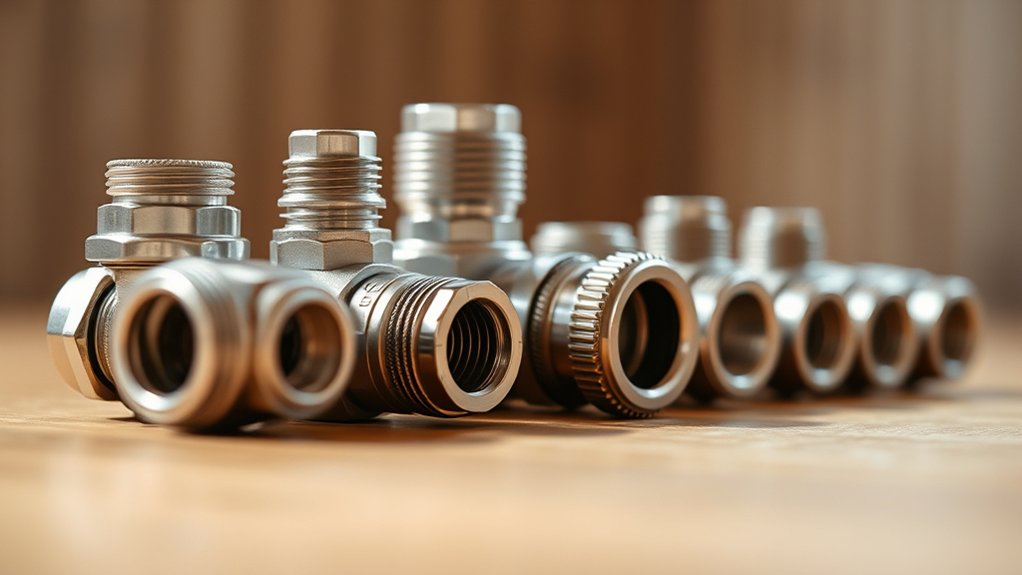
Why does the size of your shower head connector matter? Because a proper fit ensures a secure, leak-free connection between your shower arm and head. Using the wrong size connector can cause water leakage or damage to threads, impacting performance and longevity.
It’s easy to get sidetracked by irrelevant topics or needless detail about shower features when focusing on connector size is crucial for installation success. Connector size directly affects compatibility and ease of replacement; ignoring it leads to frustration and wasted time.
What Are the Standard Shower Head Connector Sizes
Ensuring your shower head connector fits properly starts with knowing the standard sizes used in plumbing fixtures. Most shower head connectors adhere to industry norms to maintain compatibility and optimal water pressure.
When selecting connectors, focus on these common dimensions:
- 1/2-inch pipe fittings: The most prevalent size, ensuring a secure and leak-free connection.
- 3/8-inch pipe fittings: Less common, often used in specialized or older plumbing systems.
- 1/4-inch pipe fittings: Rare, generally found in specific low-flow applications.
These sizes are designed to balance water pressure and flow rates efficiently. Understanding these standards helps you avoid mismatched parts and ensures your shower functions correctly without pressure loss or leaks.
Always verify connector dimensions before installation to maintain system integrity and performance.
Male vs Female Shower Connectors: What’s the Difference?
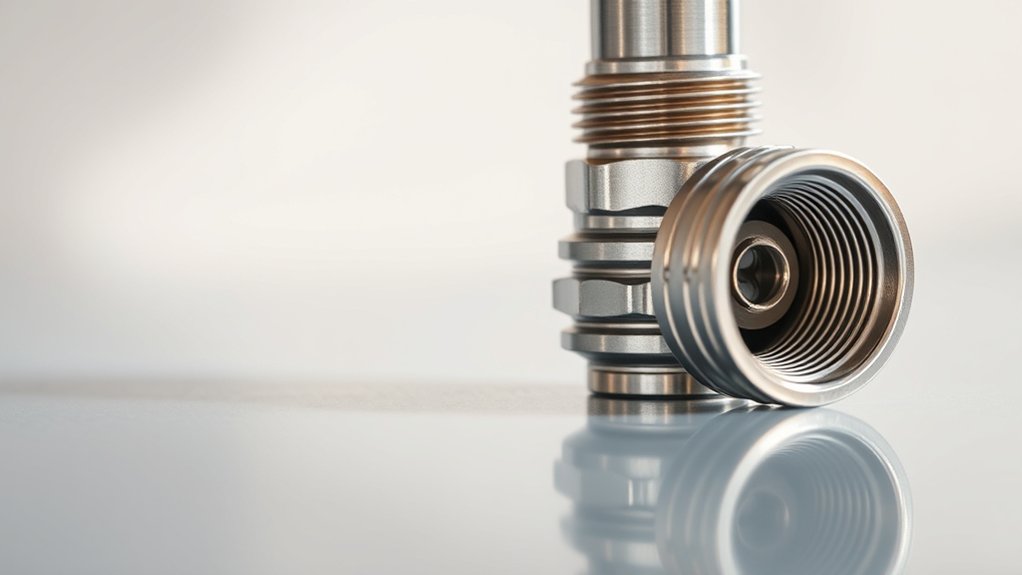
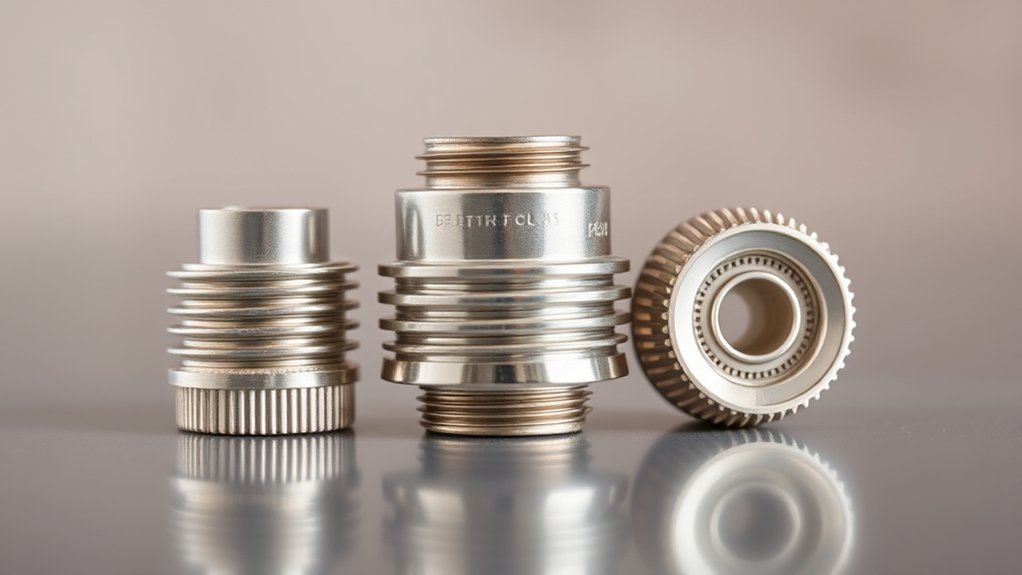
You’ll need to identify whether your shower connector is male or female based on its thread type and shape. Male connectors have external threads, while female connectors have internal threads, which affects installation compatibility.
Understanding this distinction guarantees you select the right parts for a secure, leak-free connection.
Connector Thread Types
How do male and female shower connectors differ, and why does it matter? Male connectors feature external threads, while female connectors have internal threads. Understanding this distinction is crucial for ensuring proper thread compatibility when connecting shower heads and arms.
Here’s what you should know:
- Male connectors screw into female connectors, forming a secure seal.
- Thread size and pitch must match to avoid leaks.
- Universal adapters can bridge mismatched thread types, maintaining system integrity.
When selecting or replacing shower head connectors, recognizing whether you’re working with male or female threads helps you choose the right components and adapters. This precision prevents installation errors and ensures a watertight connection, optimizing shower performance without unnecessary modifications or replacements.
Installation Compatibility Issues
Understanding the differences between male and female connectors is key when addressing installation compatibility issues. These connectors feature distinct threading designs. Male connectors have external threads, while female connectors have internal threads.
This fundamental distinction impacts how components fit together and prevents installation gaps that could cause leaks. When you encounter compatibility myths suggesting all connectors are interchangeable, remember that mismatched genders lead to improper seals and potential water damage.
In two word discussion ideas, focusing on “thread engagement” and “seal integrity” helps clarify why correct pairing matters. Ensuring your shower head and arm connectors align by gender eliminates unnecessary trouble during installation, guaranteeing a secure, leak-free connection.
Addressing these details upfront streamlines your project and avoids costly adjustments.
Identifying Connector Gender
What distinguishes male from female shower connectors lies primarily in their threading design and orientation. Male connectors have external threads that screw into female connectors, which feature internal threads. Correctly identifying these is crucial to avoid disconnect problems and maintain optimal water pressure.
Here’s how you can tell the difference:
Male connector: Threads visible on the outside; screws into the shower arm or hose.
Female connector: Threads hidden inside; receives the male end.
Impact on water pressure: A mismatched or loose connection can cause leaks or pressure drops.
How to Measure Your Shower Head Connector Correctly
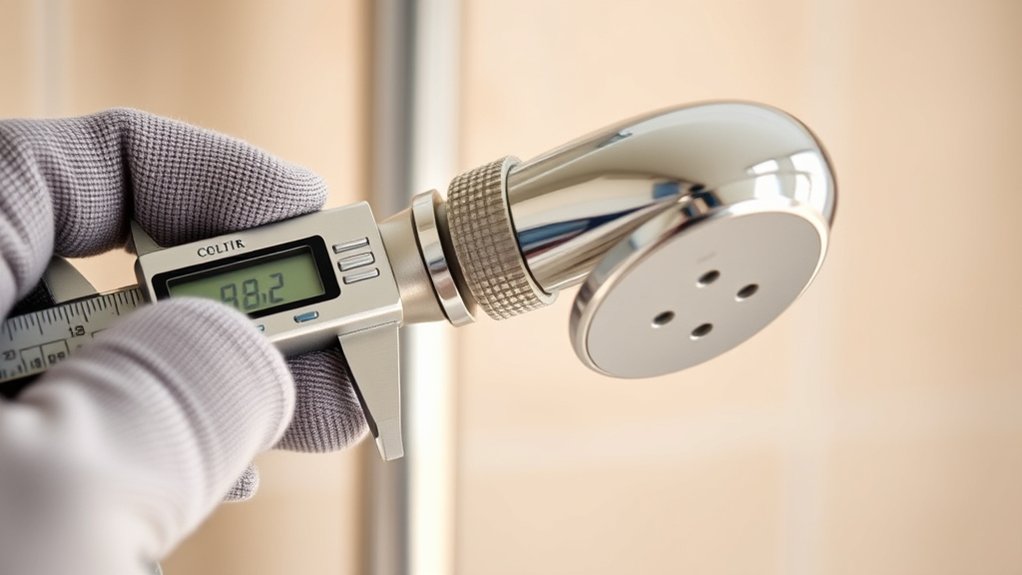
Why does measuring your shower head connector accurately matter? Without precise measurements, you risk buying incompatible fittings or damaging pipes. To avoid no-fit scenarios, focus solely on the connector’s external diameter and thread pitch. Other pipe dimensions are irrelevant.
Follow these steps:
- Use a caliper for exact external diameter measurement.
- Count the threads per inch (TPI) with a thread gauge.
- Confirm connector gender.
| Measurement Aspect | Tool Needed | Typical Range |
|---|---|---|
| External Diameter | Caliper | 1/2″ (standard) |
| Thread Pitch (TPI) | Thread Gauge | 14-20 TPI |
| Connector Gender | Visual Check | Male or Female |
| Thread Type | Visual/Spec | NPT or BSP |
| Fit Confirmation | Test Fit | Secure, no leaks |
Accurate measuring ensures seamless compatibility and prevents costly mistakes.
Why Some Shower Heads Don’t Fit Standard Connectors
Have you ever struggled to attach a new shower head only to find it doesn’t fit the existing connector? This often happens because some shower heads use nonstandard fittings, which don’t align with the typical ½-inch threaded connectors.
Struggling to fit a new shower head? Nonstandard fittings often don’t match the usual ½-inch connectors.
Additionally, manufacturers may design connectors to optimize water pressure, requiring unique threading or adapter types. Here are common reasons why your shower head might not fit:
- Custom or proprietary connector sizes to enhance water flow dynamics
- Use of adapters or male/female threading variations differing from the standard
- Connector materials or designs intended for specific water pressure ranges
Understanding these factors helps you identify compatibility issues quickly, so you can select the right adapters or fittings to ensure a secure, leak-free installation.
How Shower Head Connector Sizes Vary Around the World
Where you live considerably influences the size and type of shower head connectors you’ll encounter. Different regions adhere to distinct worldwide regulations that dictate thread size and pitch, resulting in varied connector standards.
For example, North America primarily uses 1/2-inch NPT threads, while Europe commonly employs 1/2-inch BSP threads. These differences affect compatibility, making it essential to verify connector specifications before installation.
If you move or purchase fixtures internationally, faucet adapters become critical for ensuring a secure fit between mismatched threads. Understanding these regional variations helps you select the correct components and avoid leaks or damage.
Which Shower Head Connector Types Work Best for Different Styles
You’ll find several common shower head connector types, including threaded, push-fit, and swivel models, each designed for specific installation needs. Knowing which connector matches your shower style ensures a secure fit and ideal water flow.
Let’s review how each connector type aligns with different shower designs for the best performance.
Connector Types Overview
Which shower head connector type suits your bathroom setup? Understanding connector types is essential for seamless installation and peak performance. Most shower heads use standard ½-inch NPT connectors, but variations exist in threading and gender compatibility.
To guarantee a perfect fit, consider these key connector types:
- Male-threaded connectors: Common on shower arms, requiring female-threaded heads for compatibility.
- Female-threaded connectors: Found on shower heads, designed to attach to male-threaded arms.
- Universal adapters: Bridge gender and threading differences, enabling compatibility between mismatched components.
Style Compatibility Guide
Selecting the right shower head connector type depends largely on the design and installation style of your bathroom fixtures. If you use a traditional shower curtain setup, standard ½-inch connectors are most compatible, ensuring secure attachment without interfering with curtain rods or bath mats placement.
For modern, minimalist designs with wall-mounted fixtures, flexible connectors with swivel joints offer better alignment and prevent leaks, accommodating variations in pipe positioning. In bathrooms featuring handheld shower heads, connectors with quick-release mechanisms enhance usability and maintenance.
When your bathroom layout includes space-saving considerations, compact connectors minimize protrusion, allowing bath mats to lay flat without snagging. Understanding these compatibility nuances helps you select connectors that integrate seamlessly with your style, improving both functionality and aesthetic coherence.
How to Adapt Non-Standard Shower Head Connectors
How can you guarantee compatibility when your shower head connector doesn’t match standard sizes? When dealing with non-standard connectors, you need to bridge the gap between obsolete fittings and modern fixtures. Start by identifying the exact threading and diameter of your connector.
Then, use nonStandard adapters designed for these unique specifications. Follow these key steps:
- Measure the connector’s diameter and thread pitch precisely.
- Source adapters that convert obsolete fittings to standard sizes.
- Verify adapter materials to ensure durability and leak resistance.
Tools to Simplify Shower Head Connector Installation
Why struggle with awkward fittings or leaks when you can streamline the installation process using the right tools? Prioritize tools designed with superior ergonomics to enhance your grip and control, significantly boosting installation efficiency.
Adjustable wrenches and pliers with cushioned handles reduce hand fatigue, allowing you to tighten connectors securely without damaging threads. Incorporate a water pressure testing kit immediately after installation to verify system integrity.
This step is critical for leak prevention, detecting weak seals before they cause water damage. Additionally, Teflon tape ensures airtight seals on threaded connections, complementing your toolkit.
When to Replace Shower Pipes Instead of Connectors
You should replace shower pipes instead of connectors if you notice visible corrosion, leaks, or persistent water pressure issues. While replacing pipes can be more costly upfront, it prevents frequent repairs and potential water damage in the long run.
Evaluating pipe condition against connector replacement costs helps you make the most efficient decision.
Signs of Pipe Damage
When should you consider replacing shower pipes instead of just the connectors? If you notice signs of pipe damage, it’s crucial to act promptly to maintain leak prevention and avoid costly repairs.
Here are key indicators that suggest pipe replacement is necessary:
- Visible pipe corrosion: Rust or greenish discoloration signals metal degradation, compromising structural integrity.
- Persistent leaks despite connector replacement: This points to underlying damage in the pipes themselves.
- Reduced water pressure or flow: Often caused by internal pipe buildup or narrowing from corrosion.
Addressing these issues early prevents further damage and ensures your shower system functions efficiently. Don’t overlook pipe corrosion; it’s a hidden threat that connectors alone can’t fix. Replacing damaged pipes protects your plumbing and maintains optimal leak prevention.
Cost Comparison Benefits
How much you invest in shower maintenance can considerably affect long-term costs and system reliability. When deciding whether to replace shower pipes instead of just connectors, consider the condition of the pipe threading standards and overall pipe integrity.
If corrosion or damage compromises the threading, replacing the pipe ensures proper shower head compatibility, preventing leaks or fitting issues. While connector replacement is less expensive upfront, recurring problems due to incompatible or deteriorated pipes can lead to higher repair costs.
Additionally, updated pipes often adhere to modern threading standards, improving compatibility with new shower heads and enhancing water flow efficiency. Weigh these factors carefully; investing in pipe replacement now can reduce maintenance frequency and avoid costly water damage later.
Frequently Asked Questions
Can Shower Head Connectors Affect Water Pressure?
Yes, shower head connectors can affect water pressure. If your connector has a two word design flaw or two word material restriction, it may reduce flow rate, causing lower pressure and less effective water delivery during showers.
Are Shower Head Connectors Compatible With Handheld Showers?
If you’ve ever swapped a standard shower head for a handheld one, you know shower head compatibility matters. Most connectors support handheld shower compatibility, but always check thread size and type to ensure a secure, leak-free fit.
Do Shower Head Connectors Impact Water Temperature Control?
You won’t find shower head connectors directly impacting temperature control, but size compatibility ensures proper fitting. This prevents leaks that could alter water pressure and indirectly affect temperature consistency during your shower experience.
How Do Water-Saving Shower Head Connectors Work?
You’ll save up to 30% water with water-saving mechanisms in shower head connectors. They use threaded adapters to restrict flow, maintaining pressure while reducing consumption.
This ensures efficient water use without sacrificing shower quality or comfort.
Can I Paint or Customize My Shower Head Connector?
You can paint or customize your shower head connector, but ensure customization compatibility with materials to avoid damage. Be cautious, as improper coatings might affect water flow or pressure impact, compromising performance or causing leaks over time.