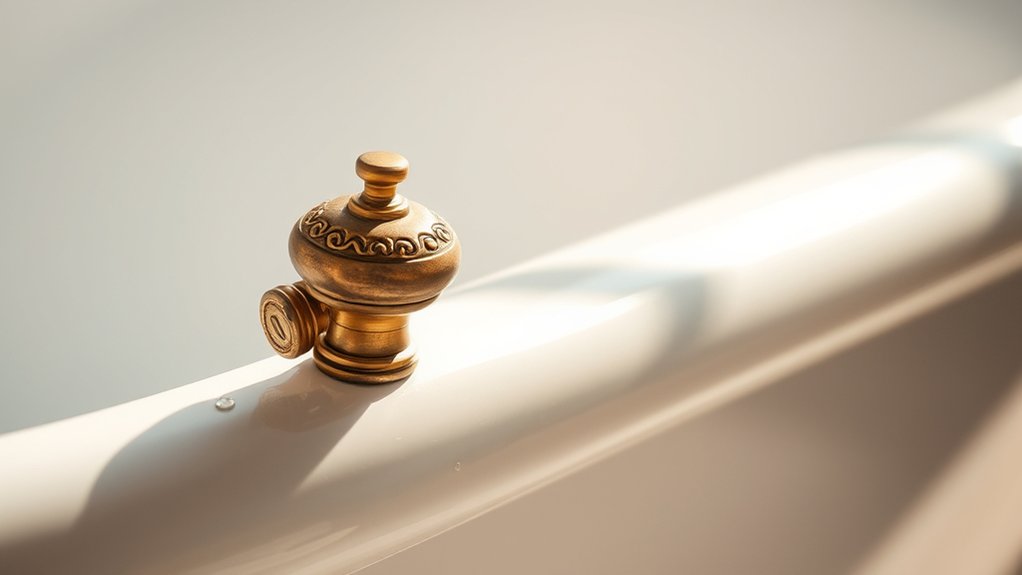
What Do You Call the Bathtub Stopper
It’s a coincidence that the term you use for your bathtub stopper might differ from someone else’s, even if you both have the same fixture. The term “bathtub stopper” itself can vary widely, with people calling it a plug, stopper, or even a drain seal depending on their location or the type of mechanism involved.
Understanding these variations isn’t just trivia—it’s essential when you need to repair or replace the part. Before you proceed, consider how these differences might affect your choice.
Key Takeaways
- The bathtub stopper is commonly called a “plug,” “stopper,” or “bathtub plug.”
- It is distinct from a plunger, which is used to clear clogs.
- Regional dialects influence the terminology used for bathtub stoppers.
- Accurate naming helps when buying or replacing the stopper or related parts.
- Other regional names include “drain plug” or simply “stopper.”
How Does a Bathtub Stopper Work?
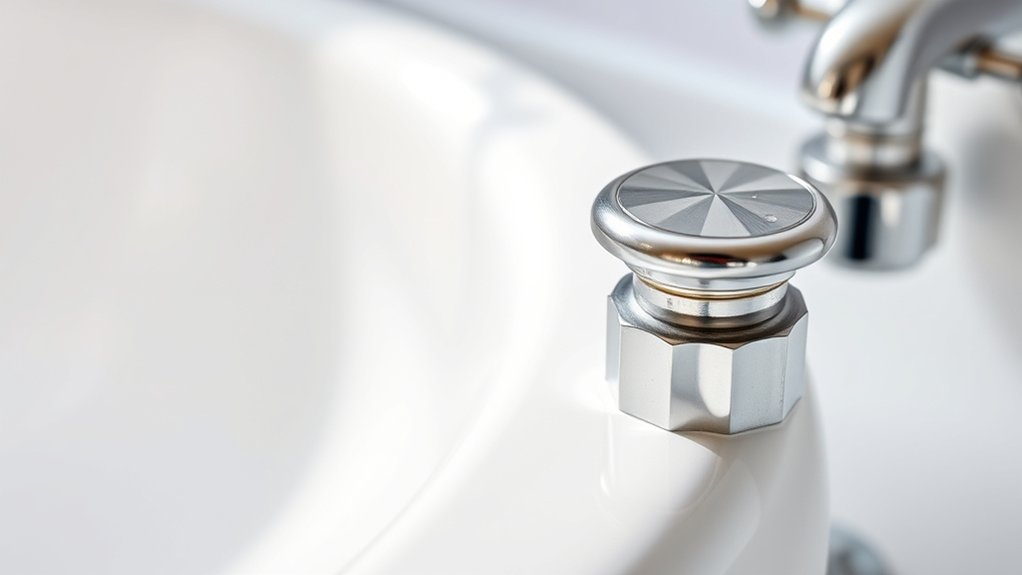
A bathtub stopper functions by creating a seal that prevents water from draining out of the tub. When you engage the stopper, it fits snugly into the drain opening, blocking water flow. Understanding how bathtubs work helps you see why this seal is essential. It allows the tub to fill without leaking.
A bathtub stopper seals the drain, enabling the tub to fill without leaking.
Different stopper types, like lift-and-turn or push-pull, use mechanical components to move the seal into place.
For effective stopper maintenance, you need to regularly inspect the rubber gasket or flange for wear and clear debris that can hinder sealing. Proper upkeep ensures the stopper operates reliably, preventing leaks and water loss.
If you notice slow draining or leaks, check the stopper’s alignment and replace worn parts promptly to maintain prime function.
What Do People Call Bathtub Stoppers?
How do people refer to bathtub stoppers in everyday use? Typically, terms like “plug,” “stopper,” or simply “bathtub plug” are common. Some confuse it with a plunger, but know that a plunger is a tool used to clear clogs, not to seal the drain.
Understanding these distinctions helps you communicate effectively, especially when buying or replacing parts. When considering maintenance, you should also know how to store stopper devices properly to avoid damage or loss.
Store them in a dry location near the bathtub or in a designated bathroom drawer. Keeping stoppers clean and dry maintains their sealing capability, ensuring efficient water retention without leaks during use. This practical knowledge streamlines bathtub care and repair discussions.
Common Types of Bathtub Stoppers and Their Uses
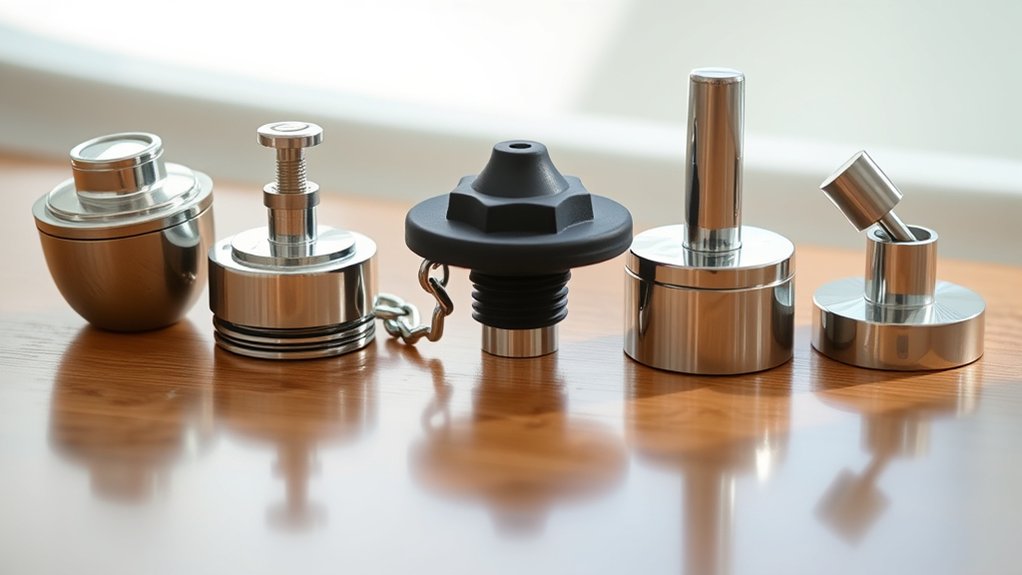
Which bathtub stopper suits your needs depends largely on the drain type and sealing mechanism. Common types include the lift-and-turn, push-and-pull, toe-touch, and trip lever stoppers, each designed for specific bathroom terminology and regional dialects.
Lift-and-turn stoppers use a twisting motion to open or close, common in North American homes. Push-and-pull stoppers operate by pushing down to seal and pulling up to release, often called “bathtub plugs” in some regions.
Toe-touch stoppers toggle with a simple tap, favored for their ease of use. Trip lever stoppers connect to an external lever, suitable for older plumbing systems. Understanding these types helps you select the right stopper for effective sealing and maintenance, ensuring compatibility with your bathtub’s drain assembly and local bathroom terminology.
Why Won’t Your Bathtub Stopper Seal?
Selecting the appropriate bathtub stopper type is only part of ensuring a watertight seal; sometimes, even the right stopper won’t close properly. You need to understand why not discusses common sealing issues, such as debris buildup, misalignment, or worn-out gaskets, which can prevent a stopper from sealing effectively.
How naming varies for stoppers, like lift and turn, push and pull, or toe touch, reflects functional differences but doesn’t always clarify sealing problems. Check the stopper’s contact surface for damage or residue, as even minor imperfections disrupt the seal.
Also, ensure the stopper fits precisely within the drain; an ill-fitting stopper, regardless of type, won’t seal. Recognizing these technical issues helps you pinpoint why your bathtub stopper fails, setting the stage for practical repair or replacement.
How to Fix or Replace a Faulty Bathtub Stopper
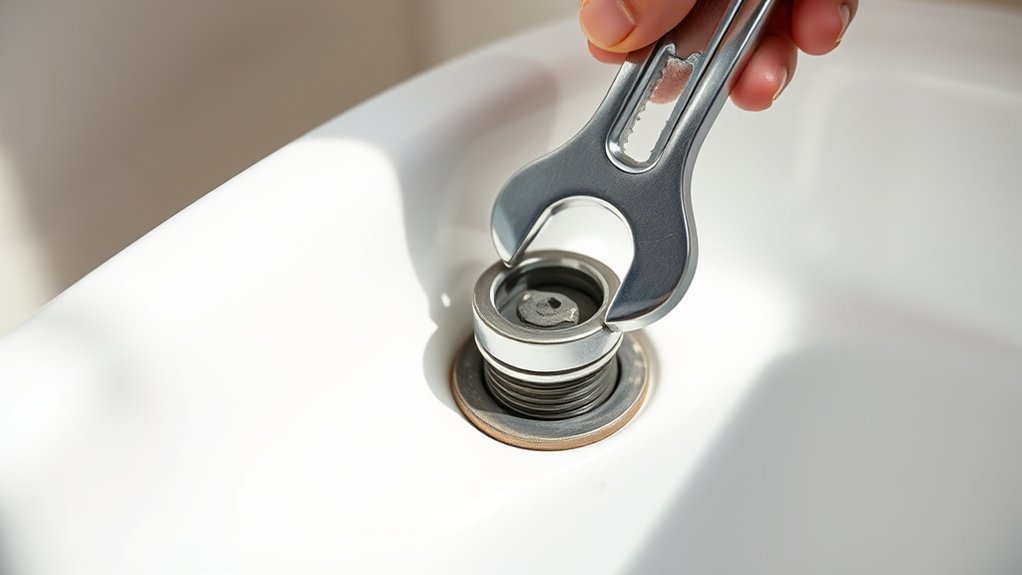
You’ll first need to identify the specific issue with your bathtub stopper, such as worn seals or faulty linkage. Once diagnosed, follow a step-by-step replacement guide to remove the old stopper and install a new one correctly. This ensures a proper seal and prevents future leaks.
Identifying Common Stopper Issues
How can you tell when your bathtub stopper needs attention? Start by identifying terminology, as regional naming differences, such as “drain plug,” “bath plug,” or “stopper,” can affect how you find replacement parts.
Common issues include a stopper that won’t hold water, indicating a faulty seal, or one that won’t stay open or closed, signaling a misaligned or broken mechanism. You may notice slow drainage caused by debris buildup around the stopper assembly.
Corrosion or wear can also impair function, especially in metal components. To diagnose the problem precisely, inspect the stopper’s type—lift-and-turn, push-and-pull, or trip lever—and its condition. Recognizing the exact issue helps you decide whether cleaning, adjusting, or replacing the stopper is necessary.
Step-by-Step Replacement Guide
Before replacing a faulty bathtub stopper, gather the necessary tools like a screwdriver, pliers, and a replacement stopper compatible with your drain type.
Start by removing the old stopper. If it’s a lift-and-turn or trip lever model, unscrew the knob or lever. For a toe-touch or push-pull stopper, pull it straight up or unscrew the cap.
Use pliers to remove any retaining nuts or screws securing the stopper assembly. Clean the drain area thoroughly, removing debris or mineral buildup.
Insert the new stopper, ensuring it fits snugly and aligns with the drain opening. Test the mechanism by operating it several times to verify proper sealing and drainage.
How to Choose the Right Bathtub Stopper for Your Tub
To choose the right bathtub stopper, you need to identify the type that matches your tub’s drain design, such as lift-and-turn or toe-touch models. Consider the material carefully—rubber, silicone, or metal options affect durability and sealing performance.
Finally, guarantee the stopper fits securely to prevent leaks and maintain proper water retention.
Types Of Bathtub Stoppers
Which bathtub stopper suits your tub’s design and drainage system? Understanding types helps you select the right one, considering bathroom naming and regional terminology variations.
Common types include plug stoppers, lift-and-turn, and toe-touch stoppers. Each functions differently and fits specific drain styles.
| Stopper Type | Operation Method | Compatibility |
|---|---|---|
| Plug Stopper | Manual Insert/Remove | Universal drains |
| Lift-and-Turn | Twist to Open/Close | Pop-up drain assemblies |
| Toe-Touch | Press to Toggle | Push-pull drain setups |
Choose based on your tub’s drain mechanism and ease of use. This ensures an effective seal and prevents water leakage while aligning with your local bathroom naming conventions.
Material And Fit Options
How do you guarantee your bathtub stopper fits perfectly and lasts long? Start by identifying the correct material and fit options based on your tub’s design and regional naming conventions. Bathtub stoppers come in rubber, silicone, metal, and plastic variants, each offering distinct durability and sealing capabilities.
Rubber and silicone provide flexible, watertight seals, ideal for most tubs, while metal stoppers suit traditional or clawfoot tubs but may require exact sizing. Measure the drain diameter precisely, considering regional bathroom terminology differences, for example, “plug” versus “stopper,” to avoid mismatches.
Ensure compatibility with your tub’s stopper mechanism type, such as lift-and-turn or push-and-pull. Selecting the right material and fit not only ensures a tight seal but also extends the stopper’s lifespan, preventing leaks and maintenance issues.
Cleaning and Maintaining Your Bathtub Stopper
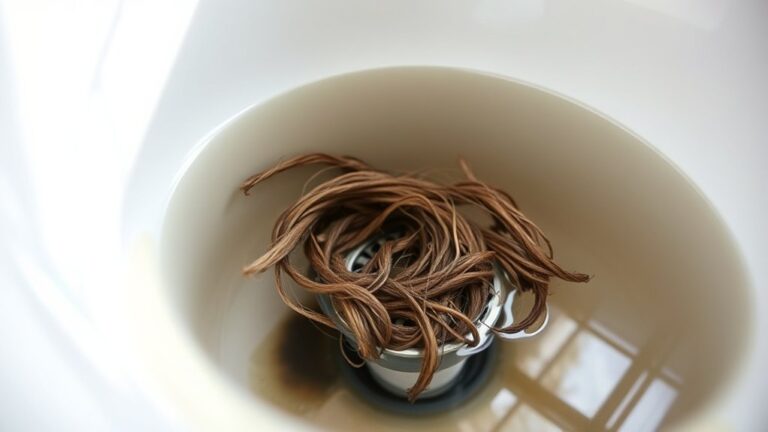
Why does regular cleaning matter for your bathtub stopper? Over time, soap scum, hair, and mineral deposits accumulate, impairing the stopper’s sealing efficiency. Regardless of the bathroom terminology or regional dialects you use, whether you call it a plug, drain stopper, or bath plug, maintenance is key to functionality.
Start by removing the stopper according to its mechanism, then soak it in a solution of warm water and mild detergent. Use a soft brush to remove buildup without damaging rubber or silicone components. Rinse thoroughly and inspect for wear or cracks.
Cleaning the drain area itself prevents clogging and maintains smooth operation. Regular maintenance extends the stopper’s life, ensuring a watertight seal and avoiding costly repairs or replacements.
Where to Buy Bathtub Stoppers and What to Look For
Where can you find reliable bathtub stoppers that match your specific drain type? Start by checking specialized hardware stores or plumbing supply outlets, where staff can assist with stopper mechanisms suited to your tub.
Online retailers offer extensive selections, often with detailed specifications, making it easier to compare sizes and materials. When choosing, consider the stopper mechanism, whether it’s a lift-and-turn, push-and-pull, or toe-touch model, to ensure compatibility and ease of use.
Pay attention to regional naming conventions, which can affect product descriptions and compatibility. Measure your drain precisely, and verify the stopper’s sealing efficiency and durability. Avoid generic stoppers that might not fit well or seal properly.
How Regional Differences Affect Bathtub Stopper Names
Finding the right bathtub stopper often means navigating a variety of terms that differ depending on your location. Regional dialect plays a significant role in the naming conventions used for these fixtures.
For example, in some areas, you may hear “drain plug,” while others refer to it as a “stopper” or “bathtub plug.” These variations stem from local linguistic preferences and industry terminology.
When shopping or seeking replacement parts, understanding these naming conventions helps you communicate effectively with suppliers and avoid confusion. It’s practical to research the common terms used in your region or the manufacturer’s terminology if you order online.
Frequently Asked Questions
Can Bathtub Stoppers Cause Drainage Problems?
Yes, bathtub stoppers can cause drainage problems if they trap debris or fail to seal properly. You should regularly clean and inspect them to ensure smooth water flow and prevent clogs or slow drainage issues.
Are Bathtub Stoppers Safe for Children?
You can ensure bathtub safety by choosing stoppers made from child-friendly materials like BPA-free silicone. Regularly inspect for wear, avoid small detachable parts, and always supervise children during bath time to prevent accidents effectively.
How Long Does a Typical Bathtub Stopper Last?
You’ll find a typical stopper lifespan lasts 5-10 years, depending on eco-friendly materials and usage. Proper DIY installation and understanding bathtub terminology help prevent drainage concerns, ensuring child safety while maintaining efficient function throughout its life.
Can I Install a Bathtub Stopper Myself?
Yes, you can install a bathtub stopper yourself by understanding basic bathtub terminology and following stopper installation steps precisely.
Ensure you select the correct stopper type, align components properly, and test for a watertight seal to avoid leaks.
Do Bathtub Stoppers Come in Eco-Friendly Materials?
When Sarah switched to an eco-friendly silicone bathtub stopper, she noticed its durability testing ensured long-lasting use without degrading. You can find similar stoppers made from sustainable materials that balance environmental impact with reliable performance over time.
Conclusion
You might think calling a bathtub stopper is straightforward, but as you’ve seen, it’s anything but simple. Whether you say plug, stopper, or something more technical, the key is knowing exactly what mechanism you need—because calling it the wrong name won’t magically fix your leaky tub.
So, next time you shop or fix your drain, remember: mastering the name might be harder than mastering the seal itself. Understanding what to call the bathtub stopper is an important step toward getting the right part and keeping your tub leak-free.