Tag: drano alternatives

  • When Drano Doesn’t Work Bathtub

    When Drano Doesn’t Work Bathtub

    You might assume pouring Drano down your bathtub drain will clear any clog, but when Drano doesn’t work bathtub drains, it’s not always that simple. Chemical solutions often fail because the blockage is more complex—like hardened debris, non-organic objects, or damage further down the pipe.

    Simply adding more drain cleaner won’t help and could make things worse. Understanding why Drano doesn’t work is key before you decide your next move.

    Key Takeaways

    • Drano targets organic clogs but fails on hardened debris or non-organic objects blocking bathtub drains.
    • Low water flow limits Drano’s effectiveness by preventing full contact with the clog.
    • Overusing Drano increases chemical hazards and risks pipe corrosion without improving clog clearance.
    • Persistent or recurring blockages suggest deeper issues needing professional plumbing inspection.
    • Mechanical tools or safe DIY methods are better alternatives when Drano does not clear the clog.

    Why Drano Doesn’t Always Work on Bathtub Drains

    drano fails with non organic clogs

    Why doesn’t Drano always clear your bathtub drain? Drano targets organic material but can’t dissolve all blockages. When an irreversible clog forms, such as hardened debris or non-organic objects, Drano’s chemicals won’t break it down.

    You might think pouring more will help, but that increases chemical hazards without improving results. These chemicals can corrode pipes and harm your skin or eyes if mishandled. Additionally, Drano’s effectiveness diminishes if water flow is minimal, preventing the solution from reaching the clog fully.

    If the blockage is deep or caused by mechanical issues, chemical treatments won’t suffice. Understanding these limitations helps you avoid wasted effort and potential damage. For persistent clogs, mechanical removal or professional assistance is often necessary to restore proper drainage safely.

    Identifying Types of Bathtub Drain Clogs

    When Drano fails to clear your bathtub drain, the next step is to determine the type of clog you’re dealing with. Identifying the clog helps you target the issue effectively without compromising bathroom aesthetics or disrupting storage organization.

    Common types include:

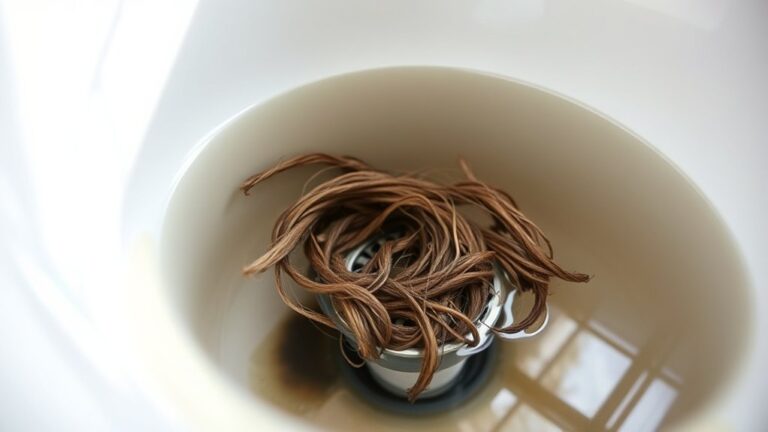
    • Hair buildup: Tangled hair often traps soap scum, creating dense blockages near the drain cover.
    • Soap scum and mineral deposits: These harden over time, narrowing pipes and slowing drainage.
    • Foreign objects: Small items accidentally dropped can obstruct flow, requiring physical removal.

    Understanding these clog types allows you to select the right tools and methods for removal. Maintaining proper storage organization in your bathroom reduces accidental drops, and regular cleaning prevents buildup without affecting your bathroom’s visual appeal.

    Easy DIY Ways to Unclog Your Bathtub Without Drano

    diy bathtub drain unclogging methods

    How can you quickly clear a clogged bathtub drain without relying on chemical solutions like Drano? You can use effective techniques not involving tools to maintain chemical free maintenance and prevent further buildup.

    Simple household items like baking soda and vinegar create a natural cleaning reaction that loosens debris. Hot water flushes help dissolve soap scum and oils.

    Regularly removing the drain cover and manually clearing visible hair also aids in prevention.

    Method Description Frequency
    Baking Soda + Vinegar Pour, wait 15 mins, flush with hot water Weekly
    Hot Water Flush Boil and pour water down the drain Twice a week
    Manual Hair Removal Remove cover, clear hair manually As needed
    Salt Scrub Pour salt, let sit, flush with water Monthly
    Preventive Rinsing Rinse with water after each use Daily

    Using a Plunger and Drain Snake for Tough Bathtub Drain Clogs

    When Drano doesn’t clear your bathtub drain, you’ll want to try a plunger with firm, controlled strokes to create pressure that dislodges the clog.

    If plunging doesn’t work, a drain snake lets you physically break up or pull out stubborn blockages deep in the pipe. Mastering these tools gives you practical control over tough clogs without harsh chemicals.

    Effective Plunging Techniques

    Why do some bathtub clogs resist chemical treatments like Drano? Often, these blockages involve materials or locations that chemicals can’t effectively dissolve. Proper unclog diagnosis is key before plunging. Start by selecting the right tool. A flange plunger fits bathtub drains best, creating a strong seal.

    To plunge effectively:

    • Ensure a water seal by filling the tub with enough water to cover the plunger cup.
    • Position the plunger over the drain and use firm, consistent vertical thrusts.
    • Avoid excessive force that can damage pipes or fixtures.

    This mechanical action dislodges debris that chemical agents miss. Remember, correct tool selection and technique maximize your chances of clearing tough clogs without professional help.

    Using A Drain Snake

    Grab a drain snake to tackle stubborn bathtub clogs that plungers and chemical treatments can’t clear. Insert the snake’s flexible coil into the drain, rotating clockwise to break up or hook debris causing the clog. Push carefully to avoid damaging pipes.

    Once resistance lessens, retract the snake slowly, removing trapped material. Flush the drain with hot water to confirm clog removal.

    Tool Type Best Use Case
    Plunger Loose blockages, minor clogs
    Drain Snake Firm clogs, hair buildup
    Chemical Drain Cleaner Organic clogs, grease

    Using a drain snake complements plunging, providing a mechanical solution for tougher blockages. It’s essential for efficient clog removal without harsh chemicals.

    Natural Solutions for Bathtub Drains: Baking Soda and Vinegar

    baking soda and vinegar drain solution

    How can you clear a slow or clogged bathtub drain using common household items? Baking soda and vinegar offer effective drano alternatives and natural remedies for minor blockages. Their chemical reaction helps break down grime and neutralize odors without harsh chemicals.

    Here’s how to use them:

    • Pour 1/2 cup baking soda down the drain.
    • Follow with 1/2 cup white vinegar; expect fizzing as the reaction occurs.
    • After 15-30 minutes, flush the drain with boiling water to clear loosened debris.

    This method is practical and safe for most plumbing systems, providing a non-toxic way to maintain flow. Repeat monthly to prevent buildup. However, it may not resolve severe clogs, where mechanical methods or professional help are necessary.

    Protecting Your Pipes While Unclogging

    When unclogging your bathtub, avoid harsh chemicals that can corrode pipes and cause long-term damage. Use safe tools like a plunger or drain snake to clear blockages effectively without risk.

    Regular pipe maintenance will also help prevent future clogs and protect your plumbing system.

    Avoid Harsh Chemical Damage

    Why risk damaging your pipes with harsh chemicals when safer alternatives exist? Understanding your drain material is crucial. Metal pipes can corrode, while PVC may soften or crack when exposed to strong chemicals.

    Also, consider clog causes. Organic buildup reacts differently than hair or soap scum. To protect your plumbing, avoid aggressive chemical drain cleaners that can weaken pipes and worsen blockages.

    Instead, use these precautions:

    • Identify your drain material to select compatible unclogging methods.
    • Address clog causes with enzymatic or biodegradable cleaners designed for specific debris.
    • Limit chemical exposure frequency to prevent cumulative pipe damage.

    Use Safe Unclogging Tools

    Which tools can you rely on to clear your bathtub drain without risking damage? Prioritize unclogging safety by selecting tools designed to protect pipes and respect your DIY limits. Mechanical tools minimize chemical exposure and reduce pipe corrosion risks.

    Tool Use Case Advantages
    Plunger Minor clogs Easy, no chemicals
    Drain Snake Hair and debris removal Flexible, effective
    Zip-It Tool Small clogs Simple, reusable
    Wet/Dry Vacuum Suction-based clog removal Powerful, non-invasive
    Drain Brush Maintenance cleaning Prevents buildup

    Use these tools carefully to avoid pipe damage. If clogs persist beyond your DIY limits, consult a professional to ensure long-term pipe health and safety.

    Maintain Regular Pipe Care

    How often do you check your pipes for signs of wear or buildup? Regular inspection is key to effective drain maintenance and clog prevention. Neglecting this can lead to persistent blockages that Drano won’t fix.

    To protect your pipes while unclogging, follow these practical steps:

    • Use enzymatic cleaners monthly to break down organic buildup without harming pipes.
    • Flush drains with hot water weekly to prevent grease and soap scum accumulation.
    • Inspect accessible pipes quarterly for corrosion, leaks, or mineral deposits.

    When to Call a Professional Plumber

    When should you call a professional plumber for a stubborn bathtub clog? If Drano and basic DIY methods fail, it’s time to reconsider. Persistent blockages often indicate deeper issues like pipe damage or complex obstructions.

    Avoid falling for plumbing myths that suggest repeated chemical use solves all problems. Overuse can damage pipes. Two word discussion ideas such as “hidden damage” and “sewer backup” highlight risks best handled by experts.

    You should also call a plumber if water backs up into other fixtures or drains slowly despite your efforts. Professionals have specialized tools and diagnostic methods to accurately identify and resolve underlying causes, ensuring a lasting fix.

    Don’t delay; timely intervention prevents costly repairs and water damage.

    Preventing Future Bathtub Drain Clogs

    After calling a professional or resolving a stubborn clog, it’s important to focus on preventing future blockages. Ignoring this step can lead to recurring issues that waste time and money. Avoid getting sidetracked by unrelated topic discussions or random chatter about quick fixes that may not work.

    To prevent future bathtub drain clogs, you should:

    • Regularly remove hair and debris from the drain cover to stop buildup.
    • Avoid pouring grease, oils, or heavy soap scum down the drain, as these substances solidify and trap debris.
    • Use a drain strainer or screen to catch small particles before they enter the plumbing system.

    Taking these practical steps keeps your drain clear and reduces the risk of stubborn blockages that require professional intervention.

    Best Habits for a Smooth-Flowing Bathtub Drain

    Why does your bathtub drain sometimes slow down despite regular cleaning? Hair, soap scum, and body oils accumulate over time, restricting flow. Adopting the right bathtub etiquette can prevent buildup.

    Avoid rinsing hair directly down the drain and use a hair catcher. Incorporate drain fragrance products to keep odors at bay and signal cleanliness. Regularly flush the drain with hot water to dissolve residues.

    Habit Benefit
    Use hair catcher Prevents hair clogs
    Rinse with hot water Dissolves soap scum
    Apply drain fragrance Controls odors
    Follow bathtub etiquette Minimizes debris entry

    Frequently Asked Questions

    Can Drano Damage My Bathtub’s Finish?

    Yes, Drano can damage your bathtub’s finish if used improperly. To protect bathroom aesthetics and guarantee material safety, always check product compatibility with your tub’s material.

    Avoid prolonged exposure or excessive application.

    Is It Safe to Mix Drano With Other Chemical Cleaners?

    Don’t mix Drano with other cleaners; it’s like sparking a chemical storm. For Drano safety, avoid chemical mixing to prevent toxic fumes or explosions.

    Always use Drano alone, following label instructions precisely for safe, effective clog clearing.

    How Long Should I Wait Before Using Drano Again?

    You should wait at least 24 hours for drain safe timing before using Drano again. If the clog persists, try alternative clog fixes like a plunger, drain snake, or enzymatic cleaners for safer, effective results.

    Can Drano Be Used on All Types of Plumbing Materials?

    Drano material compatibility varies; you shouldn’t use it on aluminum, flexible plastic, or old galvanized plumbing pipe types.

    It’s safe for PVC and metal pipes, but always check your plumbing’s specifications before applying Drano.

    What Ingredients Are in Drano That Cause It to Fail?

    Imagine a recipe missing key spices. Drano’s insufficient ingredients, like limited sodium hydroxide and aluminum, cause weak chemical reactions. This reduces its ability to break down clogs, making it fail against stubborn or complex blockages.

    Conclusion

    When Drano doesn’t clear your bathtub drain, it’s often because the clog is stubborn or beyond chemical reach. You’ve tried DIY fixes like plungers, snakes, and natural solutions—what’s next?

    If you want to avoid pipe damage and recurring blockages, knowing when to call a professional is key. After all, wouldn’t you rather have a smooth-flowing drain than risk costly repairs?

    Protect your pipes and maintain good habits to keep water flowing freely. When Drano doesn’t work for your bathtub, seeking expert help ensures the problem is resolved safely and effectively.