Tag: clog prevention

  • How to Plug a Bathtub Drain With Holes

    How to Plug a Bathtub Drain With Holes

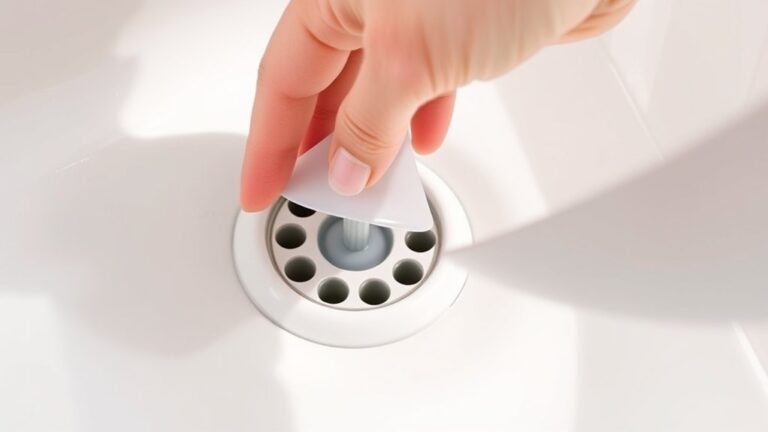
    You expect a bathtub drain with holes to hold water securely, yet even small holes can cause persistent leaks and damage. Identifying the exact size and location of these holes is essential before you attempt any repairs.

    With the right approach and materials, you can effectively seal the drain and restore its function. However, not every method suits every drain type or damage level, so understanding your options is critical.

    Key Takeaways

    • Inspect the drain’s metal surface under good lighting to spot rust, corrosion, or holes using a flashlight and touch for irregularities.
    • Evaluate hole size and location to determine severity and whether temporary or permanent plugging methods are needed.
    • Clean the area thoroughly before applying plumber’s putty for small holes or waterproof epoxy/repair kits for larger holes.
    • Use silicone-based or polyurethane sealants designed for wet environments, ensuring compatibility with your tub material.
    • Replace or maintain the drain stopper to ensure a tight seal and prevent future leaks after completing repairs.

    Spotting and Evaluating Holes in Your Bathtub Drain

    spotting assessing drain corrosion holes

    How can you quickly identify holes in your bathtub drain? Start by closely inspecting the drain’s metal surface under good lighting. Look for signs of spotting corrosion, which often appears as rust-colored or pitted areas, indicating weakened material that may have developed holes.

    Use a flashlight to reveal hidden spots and run your fingers around the drain opening to detect irregularities. Next, focus on evaluating gaps in drains by checking for visible cracks or tiny perforations where water may leak through.

    Tap gently with a non-metallic tool to listen for hollow sounds, which can suggest compromised sections. Document any damage locations and sizes precisely to determine the severity. This thorough assessment ensures you address all vulnerable points before moving forward with repairs or plugging solutions.

    DIY Ways to Plug Bathtub Drain Holes

    When tackling bathtub drain holes, you’ll want to choose the most effective DIY method based on the hole’s size and location. For small holes, applying plumber’s putty or a rubber gasket can effectively plug drains and stop leaks.

    Larger holes may require a patch using waterproof epoxy or a drain repair kit designed for metal or acrylic tubs. Start by thoroughly cleaning the area to ensure adhesion. Next, apply the chosen material precisely, following product instructions to avoid weak seals.

    For accessible holes, inserting a rubber stopper or expandable drain plug offers a temporary fix while you prepare for more permanent solutions. By selecting the correct technique, you’ll ensure efficient plugging drains and fixing leaks without unnecessary replacement or professional intervention.

    Choosing Sealants to Fix Bathtub Drain Holes

    sealants for wet bath repair durability

    Selecting the right sealant is essential for effectively fixing bathtub drain holes and ensuring a durable, watertight bond. When choosing materials, focus on those designed for wet environments, such as silicone-based or polyurethane sealants.

    These fixing sealants offer strong adhesion, flexibility, and resistance to mold and mildew. Avoid general-purpose adhesives, as they may degrade quickly under constant water exposure. Also, check for compatibility with your bathtub’s material—acrylic, porcelain, or metal—since improper sealants can cause damage or poor adhesion.

    Apply the sealant evenly around the hole, ensuring full coverage. Allow adequate curing time as per manufacturer instructions to maximize effectiveness.

    When to Replace Your Drain Stopper

    After properly sealing holes around your bathtub drain, it’s essential to evaluate the condition of your drain stopper. A damaged or worn drain stopper compromises leak prevention, rendering your repairs ineffective. Replace the drain stopper if you notice cracks, corrosion, or if it no longer fits snugly in the drain opening.

    Additionally, if the stopper fails to hold water or causes slow drainage, it’s time for replacement. Using a malfunctioning stopper can lead to water seeping through gaps, reversing your sealing efforts.

    When selecting a new drain stopper, make sure it matches your drain’s size and type for optimal sealing. Regular inspection and timely replacement of your drain stopper are crucial steps to maintain a watertight seal and safeguard against leaks in your bathtub system.

    Tips to Keep Your Bathtub Drain Leak-Free

    regular sealant inspection and upkeep

    Maintaining a leak-free bathtub drain requires consistent attention to sealing, cleaning, and inspection. Begin with regular hole inspection to identify any cracks or worn areas that compromise the drain’s integrity. Use a flashlight to thoroughly examine the drain surface and surrounding seal.

    Next, focus on sealant selection; choose a high-quality, waterproof sealant compatible with your drain material. Silicone-based sealants often provide durable, flexible seals. Apply sealant evenly around the drain edges, ensuring no gaps remain.

    After application, allow adequate curing time as specified by the manufacturer to maximize effectiveness. Finally, clean the drain area routinely to prevent buildup that can weaken seals. By integrating these steps into your maintenance routine, you’ll effectively prevent leaks and extend the functional life of your bathtub drain.

    Frequently Asked Questions

    Can a Professional Plumber Fix Bathtub Drain Holes?

    Yes, a professional can fix bathtub drain holes efficiently. They’ll assess the damage, select proper materials, and repair holes precisely, ensuring your bathtub drain functions properly without leaks or further damage. You’ll get lasting results.

    How Do Bathtub Drain Holes Affect Water Pressure?

    Ironically, those holes don’t boost your bathwater flow; they disrupt it. You’ll notice decreased drainage speed because water escapes unevenly, causing pressure drops.

    Are There Eco-Friendly Sealants for Bathtub Drain Repairs?

    Yes, you’ll find eco friendly sealants specifically designed for bathtub repair contractors. These non-toxic, low-VOC options guarantee durability while minimizing environmental impact.

    Always consult professionals to select the best sealant for your bathtub’s material and condition.

    Can Bathtub Drain Holes Cause Mold Growth?

    Think of drain holes as tiny gateways. Yes, they can mold by trapping moisture and debris.

    You’ll want to inspect and seal them promptly, preventing mold spores from colonizing and compromising your bathtub’s hygiene and structure.

    How Long Does a Typical Bathtub Drain Repair Take?

    A typical bathtub drain repair takes about one to two hours, depending on damage.

    For effective bathtub maintenance, focus on two-word discussion ideas like “seal integrity” and “drain cleaning” to prevent future issues efficiently.

    Conclusion

    Think of your bathtub drain like a fortress gate—holes are vulnerabilities inviting leaks. By carefully inspecting, sealing with the right materials, and replacing worn stoppers, you reinforce this gate against water’s persistent siege.

    Using plumber’s putty, epoxy, or sealants suited to your tub’s material ensures a tight, lasting barrier. Regular maintenance acts as vigilant guards, preventing future breaches.

    With precise care, you keep your bathtub’s defenses strong and water where it belongs. This approach is essential when you need to plug a bathtub drain with holes effectively.