Tag: bath safety

  • What Is the Best Walk in Bathtub

    What Is the Best Walk in Bathtub

    Choosing the best walk-in bathtub means balancing safety with comfort, yet many models fall short in one or both areas. When searching for the best walk-in bathtub, you’ll want to focus on features like anti-slip surfaces, low-threshold entry, and grab bars without sacrificing ergonomic design and hydrotherapy options.

    Understanding these technical details can help you avoid costly mistakes and ensure your investment truly meets your needs. Let’s explore what makes a walk-in bathtub stand out.

    Key Takeaways

    • The best walk-in tubs feature slip-resistant flooring, low-threshold entry, and strategically placed grab bars for maximum safety.
    • Hydrotherapy jets, ergonomic seating, and heated surfaces enhance comfort and relaxation in top models.
    • Size and door design should match bathroom space, ensuring easy accessibility and effective water sealing.
    • Trusted brands like Kohler and Safe Step offer durable materials, certifications, and solid warranty coverage.
    • Professional installation by licensed plumbers with lighting upgrades ensures safety, proper drainage, and compliance with codes.

    Why Choose a Walk-In Bathtub for Your Bathroom?

    walk in tub boosts safety accessibility

    Why should you consider a walk-in bathtub for your bathroom? Primarily, it enhances safety by eliminating the need to step over a high tub wall, reducing slip risks. These tubs also improve accessibility, especially for individuals with mobility challenges.

    When installing a walk-in bathtub, you’ll likely need plumbing upgrades to accommodate specialized features like quick-drain systems and hydrotherapy jets. Proper bathroom lighting is essential to complement the new tub, ensuring visibility and reducing accident risks.

    Upgraded lighting fixtures can be integrated seamlessly with the tub’s design, enhancing both functionality and ambiance. Overall, choosing a walk-in bathtub means investing in a safer, more user-friendly bathing solution that aligns with modern plumbing standards and optimized bathroom lighting for an improved bathing experience.

    How to Choose the Right Walk-In Bathtub: Key Criteria

    When choosing a walk-in bathtub, prioritize essential safety features like slip-resistant flooring and secure grab bars to prevent falls.

    You’ll also need to consider the size of the tub to ensure it fits your bathroom space without compromising accessibility.

    Evaluating these factors carefully will help you select a model that meets both your safety needs and spatial constraints.

    Safety Features Importance

    How can you guarantee maximum safety while using a walk-in bathtub? Focus on critical safety features designed to reduce slips, falls, and other hazards. Choose tub materials with non-slip surfaces and sturdy construction for durability and stability.

    Adequate bathroom lighting is essential. Bright, evenly distributed light minimizes accidents by improving visibility.

    Safety Feature Importance
    Slip-Resistant Floor Prevents falls on wet surfaces
    Grab Bars Provides support entering/exiting tub
    Low Step-In Threshold Reduces tripping risk

    These features, combined with proper bathroom lighting and quality tub materials, enhance safety significantly. Prioritizing them ensures your walk-in bathtub is both secure and user-friendly, offering peace of mind every time you bathe.

    Size And Accessibility

    Where should you start when selecting the right size and accessibility features for your walk-in bathtub? Begin by measuring your bathroom space accurately to ensure the tub fits without obstructing movement or appliance maintenance access.

    Consider door width and entry height to accommodate mobility aids comfortably. Accessibility hinges on low-threshold entry, built-in grab bars, and slip-resistant floors, enhancing safety and ease of use.

    Also, evaluate interior colorways that contrast with bathroom flooring to improve visibility and reduce fall risk. Choose a model with ergonomic seating tailored to your body size for maximum comfort.

    Balancing these factors ensures your walk-in bathtub meets spatial constraints and functional needs efficiently, promoting long-term usability and safety in your bathing routine.

    Essential Features to Look for in Walk-In Bathtubs

    walk in tub safety features

    When evaluating walk-in bathtubs, you need to prioritize safety features like slip-resistant floors, secure grab bars, and easy-to-operate doors. Comfort elements such as ergonomic seating and adjustable water controls also play a critical role in usability.

    Accessibility options, including low step-in thresholds and adequate space for mobility aids, ensure the bathtub meets your specific needs.

    Safety Features Overview

    Why prioritize safety features in a walk-in bathtub? Because these elements significantly reduce the risk of slips, falls, and injuries, ensuring you can bathe securely. Key safety features include anti-slip flooring, low-threshold entry, and well-placed grab bars.

    Additionally, quick-drain systems help prevent prolonged standing on wet surfaces, minimizing hazards. It’s essential to understand maintenance myths that might lead you to overlook necessary upkeep, impacting safety over time.

    Pay close attention to warranty coverage, which often includes safety components and can protect you against defects. By focusing on these features, you ensure your walk-in bathtub not only meets safety standards but also offers peace of mind with reliable, long-lasting protection tailored to your needs.

    Don’t compromise on these critical safety details.

    Comfort And Accessibility

    How can you guarantee your walk-in bathtub provides both comfort and accessibility without sacrificing functionality? Focus on the latest comfort trends, such as ergonomic seating, adjustable headrests, and heated surfaces, which enhance user experience significantly.

    Prioritize accessibility design by ensuring low-threshold entry, wide doors with secure seals, and strategically placed grab bars for stability. Non-slip flooring and easy-to-reach controls further improve safety and ease of use.

    Additionally, consider tubs with built-in transfer benches or swiveling seats to accommodate limited mobility. By integrating these comfort trends with thoughtful accessibility design, your walk-in bathtub will offer a seamless blend of relaxation and practical usability, meeting both your comfort needs and mobility requirements efficiently.

    Walk-In Bathtub Door Designs: Pros and Cons

    Which walk-in bathtub door design best suits your needs depends on several key factors such as space, ease of use, and sealing effectiveness. Hinged doors, the most common type, offer a traditional swinging mechanism that provides a tight seal but requires clearance space outside the tub.

    Sliding doors save space by moving horizontally, ideal for compact bathrooms, though their seals can be prone to leaks if not well maintained. Some walk-in bathtubs feature outward-opening doors with low thresholds, improving accessibility but demanding more floor space.

    When choosing a walk-in bathtub door, consider the door’s material, locking mechanism, and gasket quality to ensure durability and watertight integrity. Your ideal door balances operational convenience with effective sealing to prevent water escape during use.

    Must-Have Safety Features in Walk-In Bathtubs

    slip resistant tub with grab bars

    Ensuring maximum safety in walk-in bathtubs is essential for preventing accidents and providing peace of mind during use. When planning bathroom remodeling or bathtub installation, prioritize these must-have safety features to enhance functionality and reduce risk.

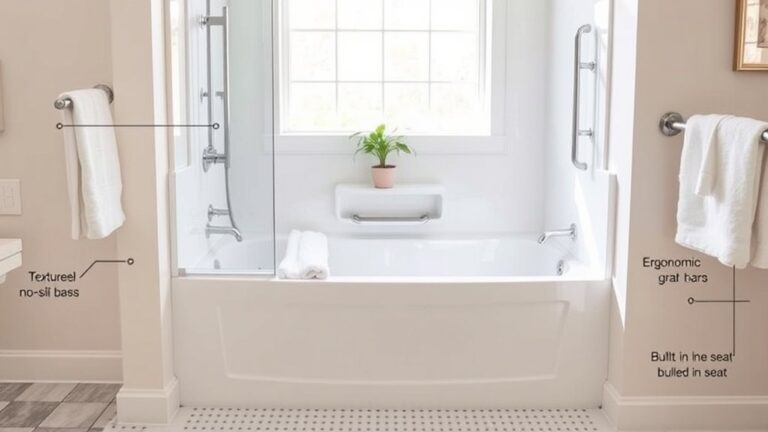
    1. Slip-Resistant Flooring: Look for textured, slip-resistant surfaces inside the tub to minimize falls during entry, exit, and bathing.
    2. Grab Bars and Handrails: Strategically placed grab bars provide stability and support, especially important for users with limited mobility.
    3. Low-Threshold Entry: A low or zero-step threshold reduces tripping hazards, making it easier to enter and exit the tub safely.

    Integrating these features during bathtub installation ensures your remodel focuses on safety without compromising usability, delivering a secure bathing environment tailored to your needs.

    Hydrotherapy and Comfort Options for Walk-In Bathtubs

    Why settle for basic bathing when walk-in bathtubs can offer advanced hydrotherapy and comfort features designed to promote relaxation and therapeutic benefits? Modern walk-in tubs integrate hydrotherapy jets that provide targeted massage to soothe muscle tension and improve circulation.

    Don’t let hydrotherapy myths deter you; these systems are clinically designed for safety and efficacy. Features like adjustable temperature controls, air bubble systems, and ergonomic seating enhance your comfort, allowing extended soak times without fatigue.

    Understanding spa etiquette can help you maximize these benefits. Maintain clean water, avoid overuse, and follow recommended session durations to prevent skin irritation.

    Size and Shape Options to Fit Your Bathroom Space

    How do you select the ideal size and shape of a walk-in bathtub to fit your bathroom space efficiently? Start by measuring your available floor space precisely, accounting for door swings and plumbing. Consider how bathroom lighting and tile patterns will interact with the bathtub’s contours and placement to maintain aesthetic harmony.

    1. Compact models: Ideal for smaller bathrooms, these tubs maximize space without sacrificing functionality.
    2. Rectangular tubs: Offer a traditional shape that fits seamlessly against walls, optimizing layout and plumbing.
    3. Corner tubs: Utilize corner spaces effectively, enhancing flow and complementing tile patterns uniquely.

    Top Walk-In Bathtub Brands and How to Finance Your Purchase

    Which walk-in bathtub brand offers the best combination of quality, safety features, and customer support? Brands like Kohler, American Standard, and Safe Step excel in durable materials, slip-resistant surfaces, and compliance with plumbing codes. Their models often integrate adjustable seating and optimized bathroom lighting to enhance safety and comfort.

    When choosing a brand, verify certifications and warranty terms to ensure long-term reliability. Financing your purchase is straightforward through manufacturer programs or third-party lenders, often offering low-interest rates and flexible terms.

    Before installation, consult a licensed plumber to confirm adherence to local plumbing codes, ensuring proper water pressure and drainage. Additionally, coordinate bathroom lighting upgrades to improve visibility around the tub, reducing fall risks. This approach guarantees a safe, compliant, and well-supported walk-in bathtub investment.

    Frequently Asked Questions

    How Do I Maintain and Clean a Walk-In Bathtub?

    Stick to a regular cleaning schedule using non-abrasive cleaners to avoid damage. Rinse thoroughly after each use.

    Inspect and replace slip resistant mats regularly to maintain safety and prevent mold buildup in your walk-in bathtub.

    Can Walk-In Bathtubs Help With Arthritis Pain Relief?

    Like a gentle wave easing muscle tension, walk-in bathtubs provide arthritis relief through warm hydrotherapy. Their safety features, including non-slip surfaces and grab bars, ensure secure support while reducing joint pain and stiffness effectively.

    Are Walk-In Bathtubs Suitable for Pets?

    You’ll find walk-in bathtubs suitable for pets if you prioritize pets safety and ensure pet accessibility. Features like low thresholds and non-slip surfaces make them practical for bathing pets comfortably and securely.

    What Is the Typical Installation Time for a Walk-In Bathtub?

    You can expect a typical installation timeframe of 4 to 8 hours, depending on plumbing modifications and space constraints.

    Considerations include ensuring proper sealing, ventilation, and electrical work to meet safety and functionality standards.

    Do Walk-In Bathtubs Require Special Plumbing Modifications?

    If your existing plumbing lacks a suitable drain location, you’ll need walk in bathtub plumbing modifications. These can extend installation timing by a day or two, ensuring proper water flow and safety compliance during setup.

    Conclusion

    Choosing the best walk-in bathtub means balancing safety with comfort, and convenience with durability. While a poorly designed tub risks slips and frustration, the right one offers secure entry, ergonomic seating, and soothing hydrotherapy jets.

    Don’t sacrifice reliability for style—opt for trusted brands with solid warranties and professional installation. By carefully considering features and space, you transform your bathroom from a hazard into a haven.

    Every soak becomes safe, relaxing, and rejuvenating when you select the best walk-in bathtub tailored to your needs.

  • Is It Safe to Bathe in a Reglazed Bathtub

    Is It Safe to Bathe in a Reglazed Bathtub

    Stepping into a freshly reglazed bathtub is like entering a space reborn, but is it safe to bathe in a reglazed bathtub right away? Before you immerse yourself, there are important factors to weigh for your safety.

    The curing process, chemical residues, and surface integrity all play pivotal roles in determining when it’s safe to use. Understanding these elements can help you avoid potential health risks and guarantee your tub’s finish remains intact longer.

    So, let’s explore what you need to know before your next soak.

    Key Takeaways

    • Bathing is safe only after the reglazed tub has fully cured, typically 24 to 72 hours, as confirmed by the professional.
    • Proper curing eliminates harmful chemical fumes and ensures the coating is non-toxic and skin-safe for bathers.
    • Using the tub before curing risks skin irritation, respiratory issues, and exposure to residual solvents and resins.
    • Avoid bathing if the tub shows cracks, chips, or peeling, as damaged surfaces compromise safety and hygiene.
    • Regular cleaning with mild, non-abrasive agents maintains the safe, protective finish of a reglazed bathtub.

    What Is Bathtub Reglazing and How Does It Work?

    tub reglazing cleaning bonding coating

    How exactly does bathtub reglazing work? You start by thoroughly cleaning and sanding the tub’s surface to remove grime and ensure proper adhesion. Then, a bonding agent is applied, followed by a primer and a topcoat, usually a durable epoxy or urethane finish. This process restores the tub’s appearance without replacement.

    Understanding reglazing cost is important; it generally runs significantly less than installing a new tub, making it a cost-effective solution. You might hear tub resurfacing myths suggesting it’s a temporary fix or unsafe, but professional reglazing, when done correctly, offers a lasting, smooth finish.

    Are Reglazing Chemicals Safe for Bathing?

    When can you safely use a reglazed bathtub after the refinishing process? Reglazing safety primarily depends on allowing adequate curing time for the chemicals applied during refinishing. These chemicals, including primers, bonding agents, and topcoats, contain solvents and resins that require full drying to minimize chemical exposure risks.

    If you use the tub too soon, residual fumes or particles could irritate your skin or respiratory system. Professional reglazing contractors follow strict guidelines to ensure the coating is fully set before use, reducing any health hazards.

    How Long Should You Wait to Use a Reglazed Tub?

    wait 24 72 hours before use

    Allowing a reglazed bathtub sufficient curing time is key to ensuring the surface is safe and durable for use. Typically, you should wait at least 24 to 48 hours before using the tub, though some professionals recommend up to 72 hours for optimal results.

    During this period, proper glazing cleanup is essential to remove any residue that might affect the finish or pose health risks. Additionally, effective odor management is important, as lingering fumes from the reglazing chemicals can cause discomfort or irritation.

    Ensure the area is well-ventilated to speed up odor dissipation and promote a thorough cure. Following these guidelines helps maintain the integrity of the reglazed surface and ensures your safety when you resume bathing.

    How to Tell When Your Reglazed Tub Is Ready to Use

    Can you confidently determine if your reglazed tub is ready for use? To assess this, start by checking the curing time recommended by the professional who performed the reglazing. Most coatings require at least 24 to 48 hours to fully harden.

    Inspect the surface for a smooth, even finish without tackiness or blemishes, as these indicate incomplete curing or poor reglazing outcomes. Avoid exposing the tub to water or heavy use until it feels cool and fully dry to the touch.

    Additionally, ensure proper ventilation was maintained during the drying process to promote tub safety by preventing moisture buildup and potential coating damage. By following these steps, you can effectively confirm your reglazed tub is ready, ensuring both longevity and safe bathing conditions.

    How Durable Is a Reglazed Bathtub Finish?

    reglazed tub finish durability 5 10 years

    Understanding the durability of a reglazed bathtub finish is essential for maintaining its appearance and functionality over time. While reglazing can restore your tub’s surface to a smooth, glossy state, durability concerns arise due to the finish’s sensitivity to scratches, chips, and harsh chemicals.

    Typically, a reglazed surface lasts between 5 to 10 years depending on usage and care. To maximize longevity, you should follow specific maintenance considerations, such as avoiding abrasive cleaners and using gentle cleaning agents. Additionally, promptly addressing any damage helps prevent further deterioration.

    Health Risks of Bathtub Reglazing You Should Know

    What health risks should you consider before choosing to reglaze your bathtub? Reglazing involves chemicals that can emit strong fumes, leading to odor concerns and potential respiratory irritation. The glossy finish may contain substances that off-gas, especially if not fully cured. Prolonged exposure to these chemicals during and shortly after application can affect your health.

    Health Risk Description
    Respiratory Irritation Fumes may cause coughing or breathing difficulty
    Skin Sensitization Direct contact with chemicals can cause rashes
    Chemical Inhalation Prolonged exposure risks toxicity
    Odor Concerns Strong smell may linger for days
    Glossy Finish Off-Gassing Emissions continue until coating fully cures

    Understanding these risks helps you make an informed decision about reglazing your tub safely.

    Reducing Chemical Exposure When Reglazing Your Tub

    How can you minimize the health risks associated with bathtub reglazing? First, prioritize chemical safety by choosing a professional glazing installation service that uses low-VOC (volatile organic compounds) products. These materials reduce harmful fumes during application.

    Ensure the work area is well-ventilated to disperse any airborne chemicals quickly. You should also wear appropriate protective gear, such as masks and gloves, to limit direct exposure. During glazing installation, avoid occupying the bathroom and adjacent rooms to reduce inhalation risks.

    After completion, allow sufficient curing time before using the tub, following the installer’s guidelines precisely. By taking these steps, you can significantly reduce your chemical exposure, ensuring a safer reglazing process without compromising the quality or durability of your bathtub’s finish.

    How to Speed Up Reglazing Drying Time

    A quicker drying time can make a significant difference when reglazing your bathtub, especially if you need to resume bathroom use promptly. To speed up the curing time, ensure the room is well-ventilated by opening windows and using fans to circulate air.

    Maintaining a warm environment, ideally between 70-80°F, helps the coating dry evenly and reduces overall curing duration. Avoid high humidity, as it can slow the process and impact bathing safety by prolonging exposure to uncured chemicals.

    Additionally, consider using a dehumidifier if moisture levels are high. While these steps can accelerate drying, always adhere to the manufacturer’s recommended curing time to guarantee the coating fully hardens, ensuring a safe, durable surface for bathing without risking damage or health concerns.

    When Should You Avoid Bathing in a Reglazed Tub?

    You should avoid bathing in a reglazed tub if toxic chemicals are still present in the finish or if the curing process isn’t fully complete. Using the tub too soon can expose you to harmful fumes and compromise the coating’s durability.

    Additionally, steer clear if you notice any visible surface damage that could affect safety or hygiene.

    Presence of Toxic Chemicals

    When should you steer clear of bathing in a reglazed bathtub? You should avoid it if the refinishing process involved toxic chemicals that haven’t been properly contained or ventilated. Reglazing often uses strong solvents and resins that can emit harmful fumes.

    If the contractor didn’t follow established safety standards, you risk chemical exposure, which can lead to skin irritation, respiratory issues, or worse. Before using the tub, ensure the reglazing was done by a licensed professional who adheres to industry regulations and uses low-VOC or non-toxic materials.

    If you smell strong chemical odors or notice lingering residues, it’s best to wait or seek professional advice. Prioritizing your health means recognizing when chemical hazards make bathing unsafe in a freshly reglazed tub.

    Incomplete Curing Time

    How long should you wait before using a reglazed bathtub? It’s essential to allow the coating to fully cure, which typically takes 24 to 72 hours depending on the materials used and environmental conditions.

    Bathing in a tub with incomplete curing can expose you to harmful chemicals that haven’t fully set, compromising both the finish and your chemical safety. During this curing period, the surface remains vulnerable to damage and may release volatile organic compounds (VOCs).

    Avoid using the tub until the reglazing professional confirms it’s safe. By respecting the complete curing time, you ensure the durability of the finish and minimize health risks associated with chemical exposure.

    Patience during this phase is critical for a safe and lasting reglazed bathtub experience.

    Visible Surface Damage

    Allowing the reglazed coating to fully cure is only part of ensuring a safe bathing experience; inspecting the tub for visible surface damage is equally important before use. You should avoid bathing in the tub if you notice any cracks, chips, or peeling on the bathtub surface.

    Visible damage compromises the protective layer, increasing the risk of water infiltration, which can lead to mold growth or further deterioration. Additionally, damaged areas may expose you to sharp edges or harmful chemicals from the underlying materials.

    If you detect any irregularities, it’s best to contact a professional for assessment and repair before resuming use. Prioritizing the integrity of the bathtub surface helps maintain hygiene, safety, and prolongs the lifespan of your reglazed tub.

    Tips to Keep Your Reglazed Bathtub Safe and Looking New

    To keep your reglazed bathtub safe and looking new, you need to follow proper cleaning techniques that won’t damage the finish. Avoid harsh chemicals and abrasive cleaners, as they can wear down the glaze over time.

    Using gentle, non-abrasive products will help maintain the surface’s integrity and appearance.

    Proper Cleaning Techniques

    When maintaining a reglazed bathtub, which cleaning methods best preserve its finish and longevity? To ensure glazing safety and maintain coating durability, use mild, non-abrasive cleaning agents applied with a soft cloth or sponge.

    Avoid scrubbing with rough pads, which can damage the delicate surface. Rinse thoroughly with warm water to remove residues that might degrade the finish over time.

    Clean regularly to prevent buildup of soap scum and minerals, which can erode the glaze if left unattended. Dry the tub after each use to minimize water spots and maintain its pristine appearance.

    Avoiding Harsh Chemicals

    Why should you steer clear of harsh chemicals on your reglazed bathtub? Reglazed surfaces are coated with materials sensitive to harmful solvents found in many strong cleaners. Using abrasive or solvent-based products can degrade the finish, causing premature wear and dullness.

    Additionally, these chemicals may react with epoxy fumes still present after reglazing, leading to discoloration or surface damage. To keep your bathtub looking new, opt for mild, non-abrasive cleaners specifically designed for delicate surfaces.

    Avoid bleach, ammonia, or products containing acetone, as they can compromise the reglaze integrity. By minimizing exposure to harsh chemicals, you preserve both the appearance and longevity of your bathtub’s finish, ensuring it stays safe and visually appealing for years to come.

    Frequently Asked Questions

    Can Reglazing Affect Water Temperature Tolerance of the Bathtub?

    Reglazing doesn’t typically affect your bathtub’s water temperature tolerance if the coating compatibility is guaranteed. Proper application maintains reglazing durability, so you can safely enjoy varied water temperatures without compromising the tub’s integrity or finish.

    Does Reglazing Change the Bathtub’s Slip Resistance?

    Imagine walking on a freshly waxed floor, glossy but slippery. Reglazing shifts your tub’s slip resistance depending on gloss vs. matte finish.

    Matte offers better grip due to durability versus porosity differences in coatings.

    Will Reglazing Affect the Bathtub’s Ability to Hold Stain-Resistant Properties?

    Yes, reglazing restores your bathtub’s stain resistance by creating a smooth, sealed surface, which helps maintain its cleanliness and enhances bathtub longevity.

    Just ensure the process is done properly for optimal, long-lasting results.

    Are There Eco-Friendly Reglazing Options Available?

    Yes, you can choose eco-friendly reglazing options that use non-toxic, low-VOC coatings. These alternatives minimize environmental impact and health risks, ensuring your bathtub looks great while keeping your home safer and more sustainable.

    Can Pets Safely Use a Reglazed Bathtub?

    You can safely bathe pets in a reglazed bathtub once fully cured, but be aware of reglazing drawbacks like chemical residues and surface durability.

    Ensure proper ventilation and curing time to protect your pets’ safety effectively.

    Conclusion

    You can safely bathe in your reglazed bathtub once the finish has fully cured, typically within 24 to 72 hours. Studies show that over 90% of reglazed tubs maintain their finish for at least five years when properly cared for.

    To protect your investment and health, avoid water exposure until the surface feels dry and smooth. Use only mild, non-abrasive cleaners to prevent damage.

    Following these guidelines ensures a durable, safe, and attractive tub for years to come. In conclusion, it is safe to bathe in a reglazed bathtub when these precautions are observed.