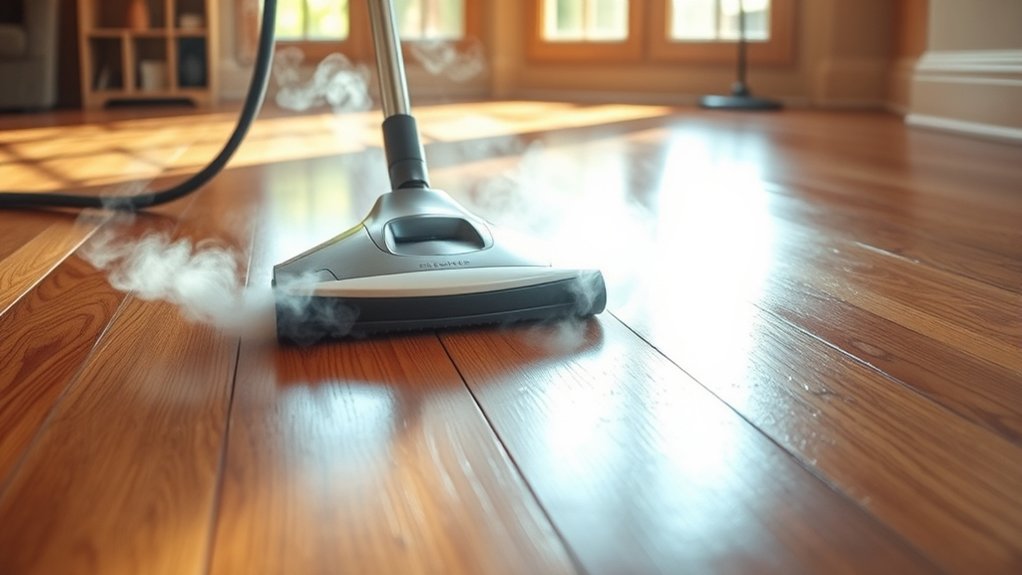
Can I Use a Steam Cleaner on a Wooden Floor
If you’ve ever tried using a steam cleaner on a wooden floor and noticed warping or dull spots, you’re not alone. Steam cleaning wooden floors can be tricky because moisture and heat may damage certain finishes or cause swelling.
But not all wooden floors react the same way, and with the right precautions, steam cleaning can be a useful tool. Understanding which floors handle steam well and how to use your cleaner properly can save you from costly mistakes.
Key Takeaways
- Steam cleaning wood floors is possible only with models designed for wood and when following manufacturer guidelines carefully.
- Durable finishes like aluminum oxide or polyurethane tolerate steam better than soft woods or worn finishes.
- Avoid steam cleaning unfinished, waxed, delicate veneer, or older floors with cracks and moisture damage.
- Always test steam cleaning on a small, inconspicuous area before full floor treatment.
- Limit steam exposure time and dry floors immediately after cleaning to prevent moisture damage and warping.
Is Steam Cleaning Safe for Wooden Floors?
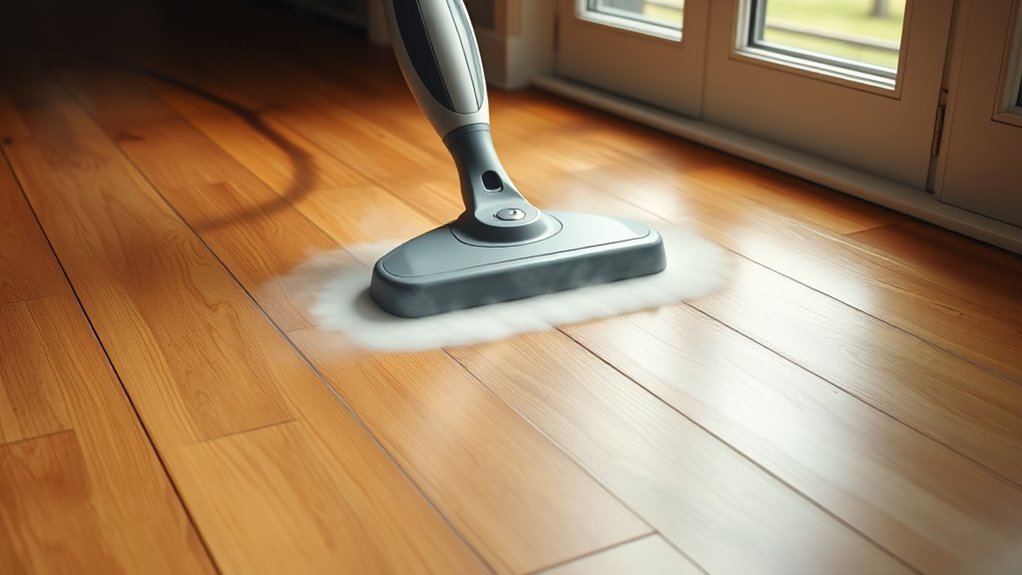
How safe is steam cleaning for wooden floors? You might think it’s a quick way to get a deep clean, but it can cause problems if not done carefully. Steam’s heat and moisture can lead to a crumbled finish on your wood, making the surface look worn and damaged.
Over time, this can worsen, especially if your floor already has squeaky boards, which indicate movement or looseness beneath. Using a steam cleaner too often or without proper precautions might exacerbate these issues, compromising your floor’s integrity.
If you decide to use one, choose a model designed specifically for wood and limit the exposure time. Always follow the manufacturer’s guidelines to avoid damaging your floors and preserve their appearance and structure.
How Moisture and Heat Affect Wooden Floors
You need to understand how moisture can cause wooden floors to swell, warp, or even develop mold if it seeps in. Heat can dry out the wood, leading to cracks and weakening the floor’s structure over time.
Both factors play a pivotal role in deciding whether steam cleaning is safe for your wooden floors.
Effects Of Moisture
Why does moisture pose such a challenge for wooden floors? Wood naturally absorbs and releases moisture, causing it to expand and contract. If you don’t manage this moisture properly, it can lead to warping, cupping, or even cracking.
Effective moisture management is essential to maintain your floor’s structural integrity and finish durability. Excess moisture can seep through the finish, weakening it and causing discoloration or peeling over time.
When you use cleaning methods involving water or steam, you risk overwhelming the wood’s ability to regulate moisture, especially if the finish is compromised. To protect your wooden floor, you need to control the amount of moisture it’s exposed to and ensure the finish remains intact, which acts as a barrier against water penetration.
Impact Of Heat
Where does heat fit into the equation when it comes to maintaining your wooden floor? Heat, especially from steam cleaners, can impact your floor’s integrity if not managed properly. You need to balance steam temperature and moisture control carefully to avoid damage.
Here’s what to watch for:
- High steam temperature can cause wood fibers to swell or warp, leading to permanent damage.
- Excess moisture combined with heat promotes wood expansion and increases the risk of cupping or buckling.
- Rapid drying after steam cleaning is essential to prevent moisture from seeping deeper and weakening the floorboards.
Which Wood Floor Types Handle Steam Cleaning Best?
Which types of wooden floors can stand up to steam cleaning without damage? Generally, floors with durable wood floor finishes like aluminum oxide or polyurethane handle steam cleaning better. These finishes create a strong protective barrier that resists moisture penetration and heat, reducing steam cleaning risks such as warping or discoloration.
Engineered hardwood floors with a thick, sealed top layer also tolerate steam cleaning more effectively than solid wood floors, thanks to their layered construction. However, softer woods or floors with worn or thin finishes are more vulnerable to steam damage.
To protect your floor, always ensure the finish is intact and consider spot testing a small area before full cleaning. Choosing the right wood floor type and finish helps you safely enjoy steam cleaning’s convenience without compromising your floor’s integrity.
How to Tell if Your Wooden Floor Shouldn’t Be Steam Cleaned
How can you quickly determine if your wooden floor isn’t suited for steam cleaning? Avoid getting caught in irrelevant topic debates or off topic discussions about cleaning methods. Focus on these three clear indicators:
- Floor Type and Finish: If your wood is unfinished, waxed, or has a delicate veneer, steam can cause damage like warping or stripping the finish.
- Age and Condition: Older floors with cracks, gaps, or signs of moisture damage shouldn’t be steam cleaned, as the heat and moisture can worsen these issues.
- Manufacturer’s Guidelines: If the floor’s care instructions explicitly advise against steam cleaning, don’t ignore them. It’s not an off topic discussion but critical for preserving your floor.
These points help you avoid damaging your wood by steering clear of steam cleaning when it’s clearly unsuitable.
How to Prepare Wooden Floors for Steam Cleaning
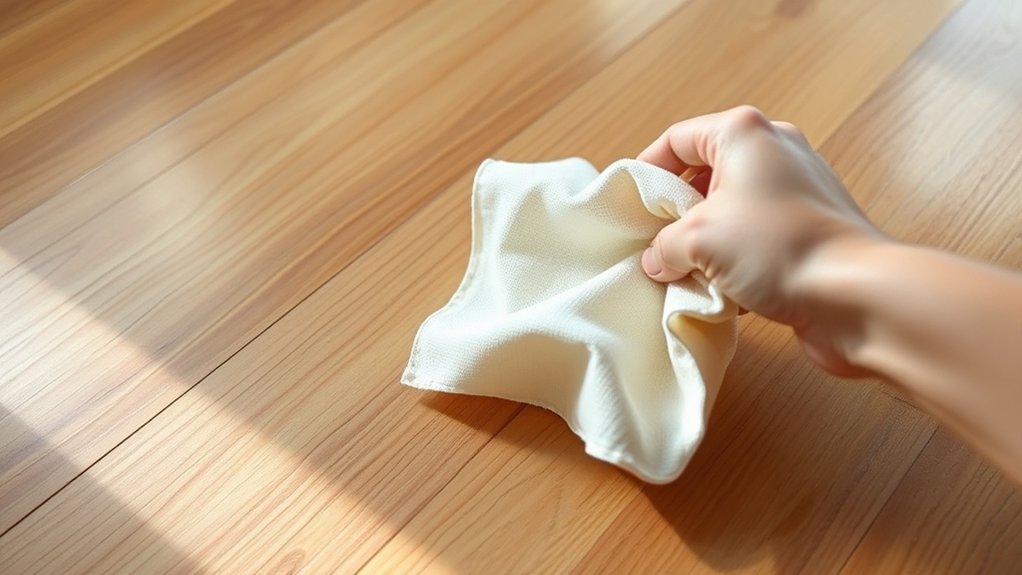
Before you start steam cleaning your wooden floors, you need to take several important steps to protect the wood and guarantee effective cleaning. Begin by thoroughly sweeping or vacuuming to remove dust and debris that could scratch the surface during steam cleaning.
Next, conduct a two word discussion with your floor’s manufacturer or refer to product guidelines to confirm the wood’s compatibility with steam cleaning. Check for any gaps, cracks, or damage in the floor that could worsen with moisture exposure.
Ensure your steam cleaner is set to a low steam level to prioritize steam safety, avoiding excessive heat or moisture that can warp wood. Finally, test the steam cleaner on a small, inconspicuous area to observe any adverse reactions before proceeding with the entire floor.
Using a Steam Cleaner Safely on Wooden Floors
When should you apply steam cleaning to your wooden floors to avoid damage? You want to use steam cleaning only when your floor’s finish is in good condition and after thorough dusting techniques have removed loose dirt. Follow these steps for safe use:
Apply steam cleaning only on wooden floors with intact finishes and after thorough dusting to prevent damage.
- Adjust the steam cleaner to the lowest setting to prevent excessive moisture exposure, which can harm the wood.
- Keep the cleaner moving steadily; don’t let it sit in one spot to avoid finish restoration issues like warping or peeling.
- Use microfiber pads designed for steam cleaning to protect the floor’s surface while effectively lifting grime.
Common Steam Cleaning Mistakes on Wood Floors
Why do some wooden floors suffer damage despite steam cleaning efforts? Often, it’s due to common mistakes that overlook the delicate nature of wood finishes and warranty concerns. Using too much steam or the wrong settings can warp or strip finishes, voiding your floor’s warranty.
Also, neglecting to test on a small area may cause unexpected damage.
| Mistake | Consequence |
|---|---|
| Excessive steam | Warping, finish degradation |
| Ignoring wood finish type | Voiding warranty, surface damage |
| Skipping patch test | Unforeseen discoloration |
Avoid these pitfalls to keep your wooden floor looking great and maintain warranty coverage. Always adjust steam settings based on your floor’s specific wood finishes.
How Often Should You Steam Clean Wooden Floors?
How often should you steam clean your wooden floors to keep them in prime condition? Maintaining the right cleaning frequency is essential to protect your floors from moisture damage. Overdoing it risks warping, while too little allows dirt buildup.
Consider these guidelines:
- Steam clean no more than once every 1-2 months to ensure effective moisture control without saturation.
- Increase frequency slightly if you have pets or high foot traffic, but never exceed biweekly sessions.
- Rely on regular dry cleaning methods between steam sessions to prevent overexposure to steam.
Alternative Cleaning Methods Instead of Steam Cleaning
Looking for effective ways to clean your wooden floors without risking moisture damage? You can opt for dry methods or gentle solutions that minimize discoloration risks and avoid harmful chemical residues. Here’s a quick guide:
| Method | Benefits | Considerations |
|---|---|---|
| Microfiber Mop | Traps dust, no water needed | Requires regular washing |
| Damp Cloth | Gentle cleaning with minimal water | Avoid soaking the wood |
| pH-Neutral Cleaner | Safe, reduces chemical residues | Use sparingly, dilute well |
These alternatives keep your floors safe from excess moisture and harsh chemicals, reducing discoloration risks. Avoid harsh detergents to preserve the wood’s finish, and always ensure any liquid used is quickly dried to prevent warping or staining.
How to Maintain Wooden Floors After Steam Cleaning
Although steam cleaning can effectively sanitize and refresh your wooden floors, proper maintenance afterward is essential to preserve their integrity and appearance. To ensure wood floor safety and extend the life of your steam cleaner, follow these steps:
- Dry Thoroughly: After steam cleaning, immediately wipe the floor with a dry, soft cloth to remove any residual moisture. Excess water can damage wood and cause warping.
- Condition the Wood: Apply a wood floor conditioner or polish recommended for your floor type to replenish natural oils and protect the finish.
- Maintain Your Steam Cleaner: Regularly clean and descale your steam cleaner according to the manufacturer’s instructions. Proper steam cleaner maintenance prevents uneven steam release that could harm your floors.
Frequently Asked Questions
Can Steam Cleaning Remove Deep Stains From Wooden Floors?
You can try steam cleaning to remove a deep stain, but be careful it risks damaging the wood’s finish. Test a small area first and avoid excessive moisture to protect your floor while tackling stubborn stains effectively.
Does Steam Cleaning Affect the Finish or Varnish on Wood?
Yes, steam cleaning can damage the finish维护 and varnish保护 on wood if you use too much heat or moisture. You should always test a small area first and avoid prolonged steam exposure to preserve your floor’s coating.
Are There Specific Steam Cleaner Models Recommended for Wooden Floors?
Picture gliding a gentle mist over your wood floor; brands like Bissell and Dupray offer steam cleaner models designed for wood floors.
Choose ones with adjustable steam settings to protect finishes while deep-cleaning effectively.
Can Steam Cleaning Help Eliminate Allergens on Wooden Floors?
Yes, steam cleaning can help with allergen elimination on wooden floors. Its steam effectiveness kills dust mites and bacteria, reducing allergens.
Just ensure you use a low-moisture steam cleaner to protect the wood from damage.
Is It Safe to Use Steam Cleaning on Antique Wooden Floors?
You shouldn’t use steam cleaning on antique finishes since steam safety isn’t guaranteed. The high moisture and heat can damage delicate wood and finishes, so opt for gentle, dry methods to preserve your antique wooden floors safely.
Conclusion
When it comes to steam cleaning wooden floors, tread lightly like a dancer on a delicate stage. Use the gentlest steam setting, test a small patch, and always dry quickly to keep your floors glowing.
Remember, not all wood can handle the heat – unfinished or soft finishes need extra care or alternative methods. By treating your floors with respect and caution, you’ll preserve their beauty and warmth.
Letting your floors shine for years to come depends on knowing how to safely use a steam cleaner on a wooden floor.