Are Plantar Warts Contagious in Shower
Imagine every step you take in a public shower could carry more than just water—it might carry the human papillomavirus (HPV), the cause of plantar warts in shower environments.
Since HPV thrives on moist, non-porous surfaces like shower tiles, walking barefoot can increase your risk of infection.
Understanding how this virus spreads in such environments is essential to protecting your feet and knowing when to seek treatment.
Key Takeaways
- Plantar warts can spread in showers through direct contact with contaminated wet surfaces like floors and benches.
- Walking barefoot in moist communal showers increases exposure to HPV, the virus causing plantar warts.
- HPV survives longer on wet, non-porous surfaces, making showers high-risk environments for transmission.
- Wearing waterproof sandals in showers significantly reduces the risk of contracting plantar warts.
- Regular cleaning and drying of shower areas help minimize viral presence and transmission potential.
How Do Plantar Warts Spread in Shower Areas?
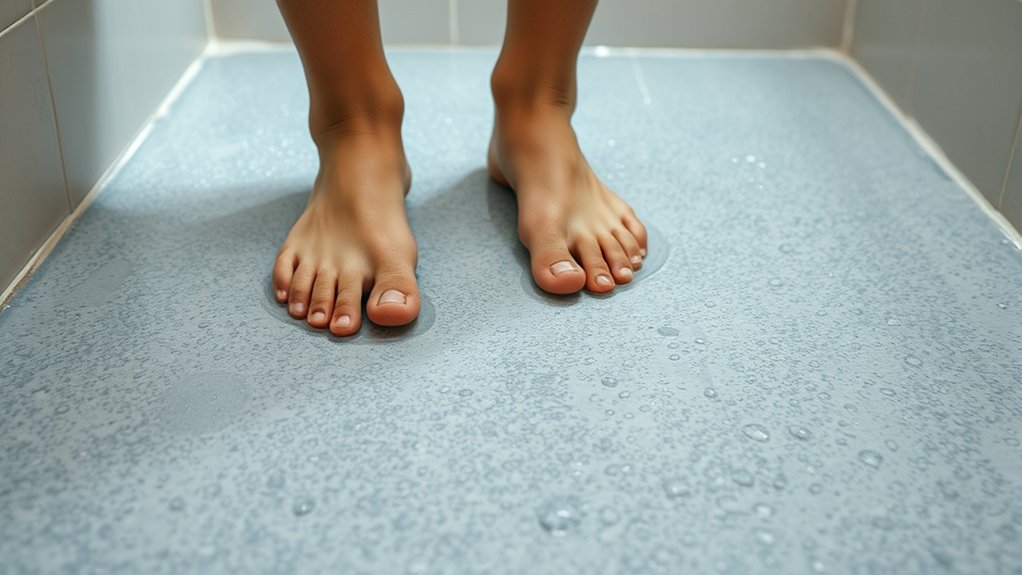
How exactly do plantar warts spread in shower areas? Plantar warts, caused by the human papillomavirus (HPV), transmit primarily through direct contact with contaminated surfaces.
In shower areas, poor shower hygiene facilitates viral presence on floors and benches. Transmission timing is critical; the virus thrives on moist, warm surfaces for extended periods, increasing infection risk during and shortly after use.
When you remove your footwear in these communal spaces, your bare feet become exposed to the virus. Any minor skin breaks or abrasions enhance susceptibility.
Maintaining strict shower hygiene, including regular cleaning and disinfection, reduces viral load. Additionally, wearing protective footwear minimizes direct skin contact with contaminated surfaces, thereby lowering transmission risk.
Understanding these transmission factors is essential for preventing plantar wart spread in shower environments.
Why Are Public Showers a Hotspot for Plantar Warts?
You encounter a high risk of plantar wart transmission in public showers because moisture allows the virus to survive longer on surfaces. Walking barefoot increases direct contact with contaminated floors, especially in areas with heavy foot traffic.
These conditions create an ideal environment for the virus to spread efficiently.
Moisture Encourages Virus Survival
Several factors make public showers optimal environments for plantar wart viruses to thrive, but moisture plays a vital role. Unlike an unrelated topic or a random idea, moisture directly impacts the virus’s survival outside the host.
The virus responsible for plantar warts, human papillomavirus (HPV), prefers damp conditions, which prolong its viability on surfaces. In dry environments, the virus quickly loses infectivity, but moisture creates a protective barrier, allowing it to persist longer and increasing your risk of exposure.
| Condition | Effect on Virus Survival | Notes |
|---|---|---|
| Dry surfaces | Low | Virus quickly inactivated |
| Humid surfaces | Moderate | Virus survives longer |
| Wet surfaces | High | Virus remains highly infectious |
| Temperature | Optimal at 20-30°C | Virus stability peaks |
| UV Exposure | Decreases survival | Virus degrades under sunlight |
Frequent Barefoot Contact
Why do public showers pose such a high risk for plantar wart transmission? Frequent barefoot contact with shower floors significantly increases your exposure to the human papillomavirus (HPV) responsible for plantar warts.
The virus demonstrates notable viral resilience, surviving on damp surfaces despite routine water flow. When you walk barefoot, microscopic skin abrasions or softened skin provide entry points for the virus.
Poor shower hygiene, such as inadequate cleaning or infrequent disinfection, allows viral particles to persist, raising the likelihood of infection. To minimize risk, you should avoid direct skin contact with the floor by wearing waterproof sandals and ensure the shower area maintains strict hygiene standards.
Understanding this helps you take targeted precautions against plantar wart transmission in public showers.
High Foot Traffic Areas
How do high foot traffic areas in public showers contribute to the spread of plantar warts? These areas serve as prime environments for the human papillomavirus (HPV), which causes plantar warts, to transfer from person to person. The constant flow of people increases the likelihood of contaminated surfaces harboring the virus.
Inadequate disinfection habits exacerbate this risk, as the virus can survive on floors and benches if not properly sanitized. Your footwear choices play a crucial role in prevention; wearing protective sandals or water shoes creates a barrier against direct skin contact with infectious surfaces.
How Long Can the Plantar Wart Virus (HPV) Survive in Showers?
You should know that the HPV virus responsible for plantar warts can survive on moist surfaces in showers for several hours to days. Environmental factors like humidity, temperature, and surface type influence how long the virus remains infectious.
Understanding this survival duration helps assess the timing and risk of transmission in shared shower areas.
HPV Virus Survival Duration
Although the human papillomavirus (HPV) that causes plantar warts requires human skin to survive, it can persist on moist surfaces in showers for varying durations. How HPV survives outside the body depends on moisture and temperature, with damp shower floors providing a conducive environment.
The virus’s outer shell protects it briefly, allowing survival from several hours up to a few days under optimal conditions. However, HPV cannot multiply without a host, so its infectivity declines over time.
To minimize risk, maintaining proper shower hygiene is essential. Regular cleaning with disinfectants and thorough drying reduce viral presence on surfaces. By understanding HPV virus survival duration, you can better manage exposure risks in communal shower settings and prevent plantar wart transmission.
Environmental Factors Affecting HPV
Where HPV can survive in showers depends largely on environmental factors like moisture, temperature, and surface type. HPV thrives in warm, moist environments, making shower floors and mats possible reservoirs.
However, the virus’s survival time varies; it typically persists longer on non-porous surfaces such as tiles than on porous materials. Despite common shower myths, HPV does not survive indefinitely outside the human body.
Contagion myths often exaggerate the virus’s resilience on wet surfaces, leading to unnecessary anxiety. Proper hygiene and regular cleaning reduce viral presence effectively.
Understanding these environmental factors helps dispel misconceptions about plantar wart transmission in communal showers. While HPV can survive briefly, its viability decreases rapidly under unfavorable conditions, minimizing the risk of transmission through environmental contact alone.
Risk of Transmission Timing
Environmental conditions influence how long HPV remains infectious on shower surfaces, but understanding the specific duration of viral survival is key to evaluating transmission risk. Research indicates that HPV can survive on moist surfaces for several hours to days, depending on humidity and temperature.
This means the risk of transmission increases with shorter timing of exposure after contamination. If you step onto a contaminated surface soon after an infected individual, your chance of contracting plantar warts rises. Conversely, prolonged intervals between contamination and exposure reduce viral viability, lowering transmission risk.
To minimize the risk of transmission in showers, focus on timely cleaning and avoid direct contact with potentially contaminated areas. Being aware of timing of exposure helps you make informed decisions to protect yourself effectively.
Can You Catch Plantar Warts From Bare Feet on Wet Floors?
You can contract plantar warts from walking barefoot on wet floors, especially in communal areas like showers or locker rooms. The human papillomavirus (HPV), which causes plantar warts, thrives in warm, moist environments.
When you walk barefoot on contaminated wet surfaces, the virus can enter through small cuts or abrasions on your feet. However, the idea that all wet floors automatically guarantee infection is a dangerous myth.
Walking barefoot on contaminated wet floors can transmit the virus, but not all wet floors guarantee infection.
Effective shower hygiene, including regular cleaning and disinfecting, significantly reduces viral presence. Still, the risk remains higher in areas with poor maintenance or heavy use.
To minimize your chances of catching plantar warts, you should be aware that virus transmission requires direct contact with infected surfaces, emphasizing the importance of understanding how the virus spreads rather than relying on myths about wet floors alone.
What Are the Best Ways to Prevent Plantar Warts in Shared Showers?
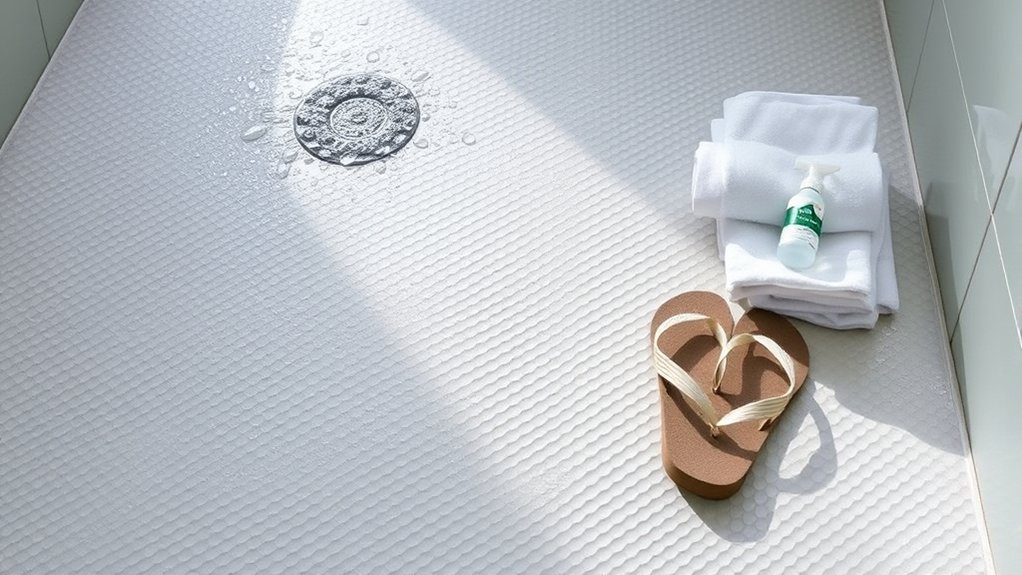
How can you effectively reduce the risk of plantar warts in shared showers? Maintaining strict shower hygiene is essential, as the virus thrives in moist environments. Avoid common wart misconceptions by understanding that not all skin lesions are contagious warts.
To minimize exposure, follow these best practices:
- Always wear waterproof sandals or flip-flops to avoid direct contact with the floor.
- Avoid sharing towels, shoes, or foot care tools, which can harbor the virus.
- Dry your feet thoroughly after showering to reduce moisture that facilitates viral survival.
- Clean the shower area regularly with disinfectants proven to eliminate human papillomavirus.
How Can You Identify Plantar Warts Early After Shower Exposure?
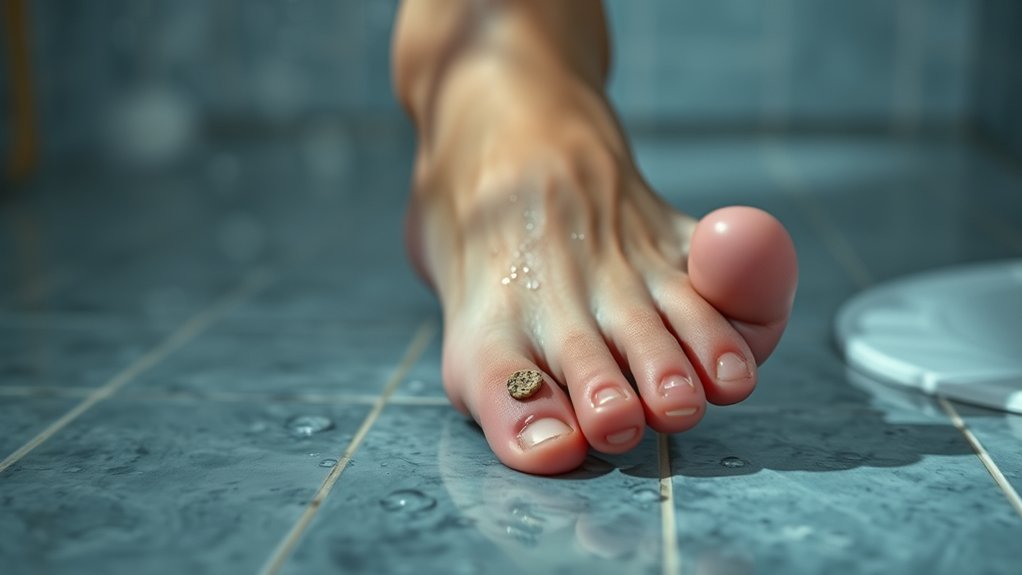
When should you start looking for signs of plantar warts after shower exposure? Typically, it takes 1 to 6 months for warts to develop following contact with the human papillomavirus (HPV). After showering in a shared facility, check your feet regularly for small, rough growths with tiny black dots, which are clotted blood vessels.
Early identification helps prevent spread. Remember, good shower etiquette, such as wearing flip-flops and drying feet thoroughly, reduces risk. Avoid falling for wart myths, such as warts appearing immediately or being caused by dirt.
Instead, focus on subtle symptoms like localized pain or discomfort when walking. By monitoring these early signs promptly and practicing proper hygiene, you can catch plantar warts before they worsen or spread to others in communal shower environments.
When Should You See a Doctor for Shower-Related Plantar Warts?
Recognizing the early signs of plantar warts after shower exposure sets the foundation for timely medical evaluation. You should see a doctor if you notice persistent pain, rapid lesion growth, or signs of infection. Timely consultation supports public health efforts by preventing further spread and ensures adherence to hygiene protocols in communal shower areas.
Seek medical attention if you experience:
- Lesions that bleed or ooze pus
- Multiple warts clustering together
- Significant discomfort affecting walking
- No improvement after several weeks of self-care
Prompt diagnosis allows for effective management and reduces transmission risk within shared facilities. Following hygiene protocols and consulting healthcare professionals reinforces public health measures, minimizing wart contagion in communal showers.
What Are the Most Effective Treatments for Plantar Warts From Showers?
What treatment options deliver the best results for plantar warts contracted from showers? Effective management relies on understanding conceptual models that differentiate plantar warts from lesions caused by unrelated pathogens.
First-line treatments include salicylic acid and cryotherapy, both clinically proven to eradicate the wart tissue. If these fail, immunotherapy or laser treatment may be necessary.
| Treatment | Mechanism of Action |
|---|---|
| Salicylic Acid | Keratolytic agent, removes infected skin layers |
| Cryotherapy | Freezes wart tissue, inducing cell death |
| Immunotherapy | Stimulates immune response to clear infection |
Frequently Asked Questions
Can Plantar Warts Cause Pain During or After Showering?
You might feel like you’re walking on pins and needles, as plantar warts can cause pain during showering and post-shower discomfort. Moisture softens skin, increasing sensitivity and sometimes intensifying wart-related pain and irritation.
Are Certain Age Groups More Susceptible to Plantar Warts?
Yes, you’re at higher age-related risk during childhood and adolescence due to immature immunity. Your infection transmission is more likely then.
Adults have lower susceptibility, but communal areas can increase your chance regardless of age.
Do Plantar Warts Affect Athletic Performance or Activities?
You’d think plantar warts would boost your athletic skills, right? Actually, they can cause discomfort, affecting your performance. Wearing proper athlete footwear and maintaining good shower hygiene helps prevent warts and keeps your training uninterrupted.
Can Plantar Warts Recur After Successful Treatment?
Yes, plantar warts can recur after treatment due to viral persistence. You should monitor for recurrent lesions, as post-treatment durability varies.
Consistent follow-up and hygiene reduce recurrence risk, ensuring better long-term outcomes for wart management.
Is It Safe to Use Public Showers With Existing Plantar Warts?
It’s safe to use public showers with plantar warts if you take shower safety precautions. Avoid direct contact with surfaces to reduce contagion in communal showers, and always wear waterproof sandals to protect yourself and others.